by Gardener Tim | May 23, 2022 | Facts, Plant Care
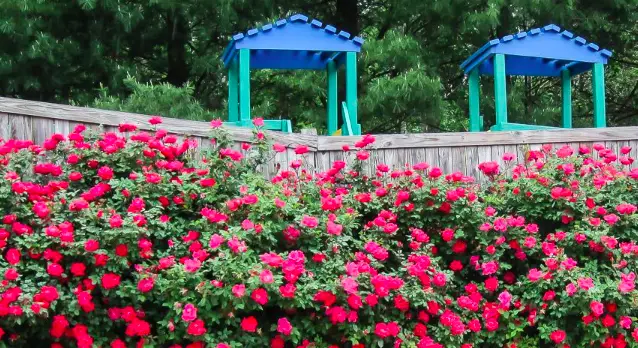
If you’re looking for a beautiful, low-maintenance rose to plant in your garden, look no further than the knockout rose. These roses are known for their large blooms and easy care.
They can be planted very late in the season, but there are some things you need to know before planting knockout roses. In this blog post, we will discuss when you can plant knockout roses and what you need to do to ensure they thrive!
How Late Can You Plant Knockout Roses?
Fall is the latest you can plant knockout roses and still have them bloom the following year. The main thing to remember when planting late in the season is to give the plants plenty of time to establish themselves before winter.
If you live in an area with harsh winters, you may want to consider planting your knockout roses in spring instead.
The problem with planting in fall is that the plants may not have enough time to develop a strong root system before winter sets in. This can lead to problems come spring, when the plant may be more susceptible to disease and pests.
How to Grow Knockout Roses in Fall?
In an ideal world, Knockout Roses will be planted in early spring, but we don’t always live in an ideal world. If you find yourself planting late in the season, there are some things you can do to help your plants succeed.
Mulching is one of the best things you can do for late-season planting. Mulch will insulate the ground and help protect the roots of your plants from the cold. Be sure to use a thick layer of mulch, at least four inches thick.
You should also water your plants well before the ground freezes. This will help them develop a strong root system that can withstand the winter weather.
Late-season planting is not ideal, but it can be done if you take the proper precautions. By mulching and watering your plants well, you can give them a fighting chance against the cold weather.
Other Rose Planting Tips
When planting any type of rose, it’s important to choose a location that gets plenty of sunlight. Roses need at least six hours of sunlight per day to thrive.
It’s also important to prepare the soil before planting. The best way to do this is to mix in some organic matter, such as compost or manure. This will help the soil retain moisture and provide nutrients for the plants.
Roses also need to be fertilized regularly. A good rule of thumb is to fertilize every six weeks during the growing season.
Make sure the roses have a lot of space to grow. Planting them too close together will crowd the roots and lead to problems down the road. 3 feet is a good rule of thumb, but consult your local nursery for specific spacing requirements.
Once you plant the rosebush, water it well, allowing water to soak into the soil around the base of the plant. This helps it adjust to the shock of being transplanted.
Thoroughly water the base of the plant several more times over the next few weeks after it’s planted to make sure the plant has enough water while adjusting to its new surroundings.
Conclusion
In conclusion, you can plant knockout roses as late as fall and still have them bloom the following year. However, it is best to give them a head start by planting in early spring.
If you do find yourself planting late in the season, be sure to mulch and water your plants well. This will help them develop a strong root system that can withstand the winter weather.
I hope this blog post has been helpful. If you have any questions, please feel free to leave a comment below. Happy gardening!
by Gardener Tim | May 23, 2022 | Facts
So, you want to plant some grass in your backyard, but you’re not sure what type of soil to use. You’ve heard that potting mix can be used as topsoil for grass, but is that true? And if it is, how do you go about doing it? In this blog post, we will answer those questions and more!
Can You Use Potting Mix as Topsoil for Grass?
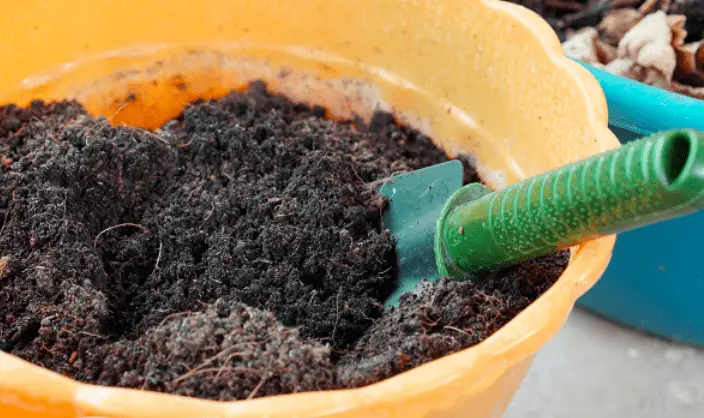
Yes, you can use potting mix as topsoil for grass! Potting mix is a type of soil that is made up of peat, perlite, and/or vermiculite. It is light and airy, which makes it ideal for growing grass.
However, potting mix is expensive when used over the whole garden. So if you’re on a budget, topsoil is a better option. Topsoil is the layer of soil that sits on top of the subsoil. It is made up of organic matter, minerals, and other materials.
Of course, potting soil is usually more expensive for a reason – it’s better quality! Potting mix is lighter and has more nutrients, which is why it’s often used to grow vegetables, flowers, and other delicate plants.
What Is Topsoil Used for?
Topsoil is used as the top layer of soil in gardens and landscapes. It is also used to improve the quality of existing soil, as well as provide drainage and aeration.
Topsoil is also used to level out lawns before the grass is planted. This ensures that the grass has a flat, even surface to grow on.
In fact, topsoil is very similar to potting mix, which is why it can be used as a substitute. The main difference is that potting mix usually has more nutrients and is lighter in texture.
What Is Potting Mix?
Potting mix, or potting soil, is a type of soil that is made up of peat, perlite, and/or vermiculite. It is light and airy, which makes it ideal for growing plants. While it’s called soil, it doesn’t contain any actual soil.
Potting mix is usually more expensive than topsoil because it’s a higher quality soil. It is lighter and has more nutrients, which is why it’s often used to grow vegetables, flowers, and other delicate plants.
Potting mix is designed and primarily used to grow container plants. It can also be used as topsoil, but it’s not the best option if you’re on a budget.
How to Use Potting Mix as Topsoil?
If you want to use potting mix as topsoil, the process is actually quite simple! All you need to do is add some potting mix to the top of your existing soil. You can do this by spreading it out evenly with a rake.
Once the top few inches are mixed, add another layer of potting mix to the level that you’re happy with. If you have an uneven garden, you may need to add more potting mix to different areas than others.
Once you’ve added the potting mix, water it well and wait for the grass to grow! It’s that easy! I would also recommend adding some fertilizer to your lawn every few weeks to help the grass grow.
Conclusion
In conclusion, yes – you can use potting mix as topsoil for grass! It contains the nutrients that grass needs to grow, and it’s also light and airy. However, potting mix is more expensive than topsoil, so if you’re on a budget, topsoil is the better option.
Have you ever used potting mix as topsoil for grass? Let us know in the comments below. Happy gardening!
by Gardener Tim | May 23, 2022 | House Plants, Plant Care
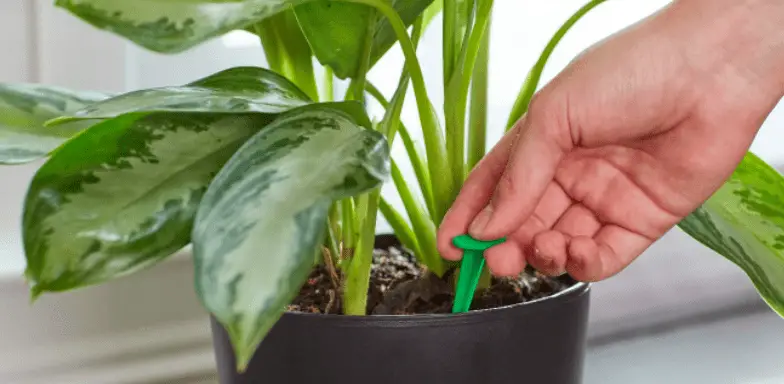
If you’re like me, you probably have a few plant food spikes lying around your house. But do you know if they expire? And if they do, how long do they last? In this blog post, we will answer these questions and more! We’ll also provide some tips on how to store plant food spikes properly so that they last as long as possible.
Do Plant Food Spikes Expire?
Yes, plant food spikes do expire. However, they can last for several years if stored properly. The expiration date is usually printed on the package, so be sure to check that before using them. If you can’t find an expiration date, it’s best to err on the side of caution and assume that they expire after two years.
This is especially important to remember if you have an indoor garden, as expired plant food can actually harm your plants. If you’re not sure whether or not your plant food spikes are still good, it’s best to just buy new ones.
The last thing you want to do is harm your beloved plants trying to save a few bucks! Let’s learn some more…
Do Plant Food Spikes Need to Be Replaced?
Yes, plant food spikes need to be replaced every 1-2 months. This is because the nutrients in the spikes gradually leach out over time. You can tell when it’s time to replace your plant food spikes by looking for signs of nutrient deficiency in your plants.
If you see that your plants are wilting, have yellow leaves, or are not growing as quickly, as usual, it’s time to replace the plant food spikes. I prefer to be proactive and replace my plant food spikes every month or two, just to be safe.
How to Store Plant Food Spikes?
To store plant food spikes properly, you should keep them in a cool, dry place. A pantry or cupboard is ideal. You can also store them in the refrigerator, but be sure to keep them in an airtight container so they don’t absorb moisture from the air.
Which Plant Food Spikes Do I Use?
There are many different types of plant food spikes on the market. I like to use organic, all-purpose plant food spikes because they provide a balanced diet for my plants. However, you can also use specialty plant food spikes that are formulated for specific types of plants.
The Miracle-Gro Plant Food Spikes is a good option for all-purpose plant food. It’s one of the most popular and reliable brands on the market. For a specialty plant food, I like the Espoma Organic Bloom Booster Plant Food, which has plant food for tomatoes, roses, and other flowering plants.
Conclusion
In conclusion, plant food spikes expire in a few years and need to be replaced every month or two when being used. Store them in a cool, dry place for best results. When choosing plant food spikes, look for organic, all-purpose options or specialty plant food formulated for your specific type of plant.
Do you have any questions about plant food spikes? Leave a comment below and we’ll do our best to answer them!
by Gardener Tim | May 23, 2022 | House Plants, Plant Care
If you’re a succulent enthusiast, then you’ve probably heard about succulent plant food. But can you use it on other plants? In this blog post, we will answer that question and give you some tips on how to use succulent plant food correctly!
Can You Use Succulent Plant Food on Other Plants?
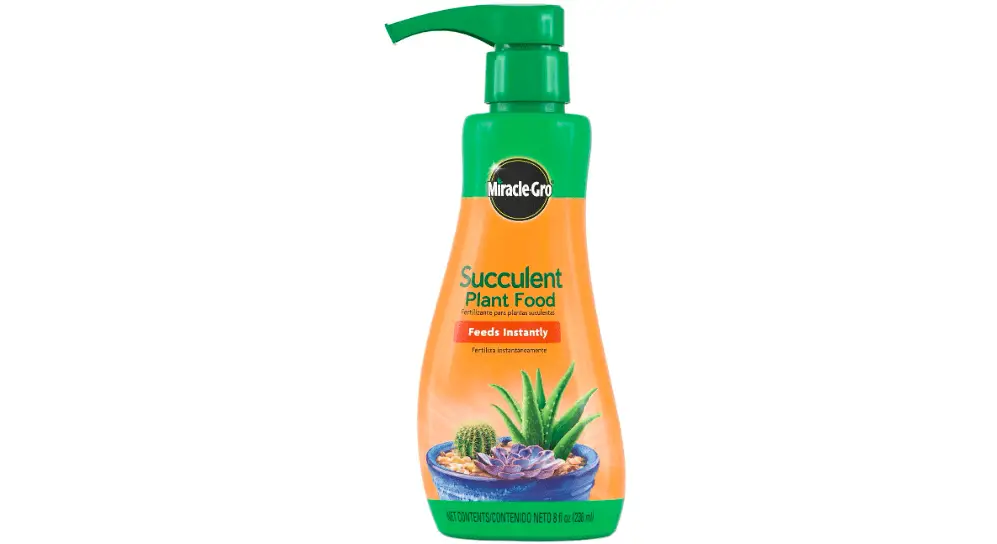
Yes, you can use succulent plant food on other plants! Succulents need the same nutrients as other plants, so using succulent plant food will give your plants the nutrients they need.
In fact, when you look at the ingredients list on succulent plant food, you’ll notice that it’s very similar to regular plant food. The only difference is that succulent plant food tends to have slightly less nitrogen.
Both succulents and houseplants need the same 16 elements to photosynthesize and grow. Plus, they need the same macronutrients, which are nitrogen (N), phosphorous (P), and potassium (K).
This means most fertilizer products on the market are largely the same, whether they’re marketed as “succulent plant food” or not. However, some companies add extra ingredients to their succulent plant food, such as iron and magnesium, which can be beneficial for your succulents.
So, if you have some extra succulent plant food lying around, go ahead and give it a try on your other plants! Just be sure to follow the instructions on the packaging, and don’t overdo it. Too much fertilizer can actually harm your plants.
The Power of Fish Emulsion
Personally, I use fish emulsion fertilizer on all my plants, succulents included. Fish emulsion is an organic fertilizer made from fish waste products, and it’s packed with nutrients that are great for your plants.
Simply mix the fish emulsion with water according to the directions on the bottle, and then you can use it just like any other plant food. I find that fish emulsion works especially well on fast-growing plants, such as tomatoes and cucumbers.
Plus, fish emulsion is very inexpensive, so it’s a great option if you’re on a budget. You can usually find it at your local garden center or nursery. I use this one from Amazon.
Why Do Plants Need Fertilizers?
Plants need fertilizers because they can’t get all the nutrients they need from the soil. This is especially true for succulents, which come from arid environments where there isn’t a lot of nutrient-rich soil.
Fertilizers provide plants with the nutrients they need to grow and thrive. Without these essential nutrients, plants would eventually die.
There are three main nutrients that plants need: nitrogen, phosphorus, and potassium. These are typically listed on fertilizer labels as N-P-K.
Nitrogen is essential for plant growth and helps plants create chlorophyll, which is what gives plants their green color. Phosphorus helps plants grow strong roots and produce flowers and fruit. Potassium helps plants create energy and promotes healthy growth.
So, if you want to give your plants a nutrient boost, fertilizing them is a great way to do it! Just be sure to use the right fertilizer for your plants and follow the instructions on the packaging.
The N-P-K Ratio
The N-P-K ratio is the weight of nitrogen, phosphorus, and potassium in a fertilizer. For example, if a fertilizer has an N-P-K ratio of 20-20-20, that means it contains 0.2 pounds of nitrogen, 0.2 pounds of phosphorus, and 0.2 pounds of potassium.
A balanced fertilizer has an equal amount of nitrogen, phosphorus, and potassium. For example, a fertilizer with an N-P-K ratio of 15-15-15 is considered balanced.
An unbalanced fertilizer has more or less of one nutrient than the others. For example, a fertilizer with an N-PK ratio of 30-30-0 is high in nitrogen and low in phosphorus and potassium.
Conclusion
In conclusion, you can use succulent plant food on other plants! Just be sure to follow the instructions on the packaging, and don’t overdo it. Too much fertilizer can actually harm your plants.
Fish emulsion is a great plant food that works for both succulents and other plants. It’s packed with nutrients and works for all types of plants. Plus, it’s a natural and inexpensive option.
Do you have any questions or tips about using succulent plant food? Let us know in the comments below! And be sure to check out our other succulent care articles for more information on how to care for your plants. Thanks for reading!
by Gardener Tim | May 23, 2022 | House Plants, Plant Care
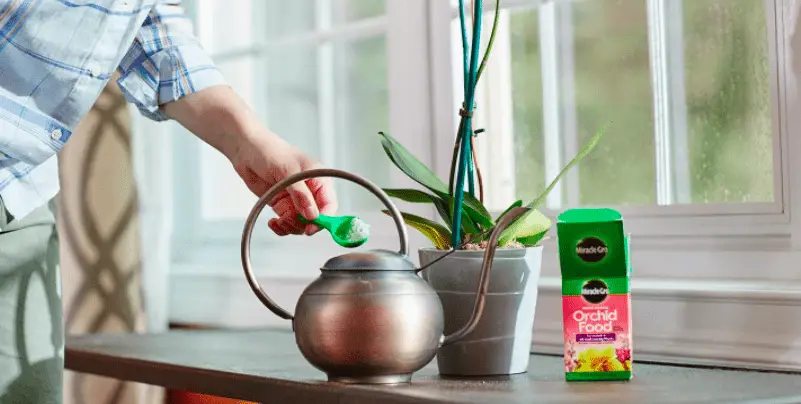
If you have an orchid, you know how important it is to use the right kind of fertilizer. Orchid fertilizer is specifically made to meet the needs of orchids. However, what if you want to use orchid fertilizer on other plants? Can you do that?
In this blog post, we will answer that question and tell you whether or not it is safe to use orchid fertilizer on other plants!
Can You Use Orchid Fertilizer on Other Plants?
Yes, you can use orchid fertilizer on other plants! However, you need to be careful about how much you use. Orchid fertilizer is very concentrated, so you will need to dilute it before using it on other plants.
It shouldn’t be used on vegetables or other food crops, since it can be toxic if ingested. If you’re going to use it on other ornamentals, make sure to follow the directions on the package.
Using orchid fertilizer on other plants can be a great way to give them a boost. Just make sure to use less than you would on an orchid, and you should be fine! Let’s learn more…
What’s in Orchid Fertilizer?
Orchid fertilizer typically contains a mix of nitrogen, phosphorus, and potassium in the ratio of 30-10-20. This mix of nutrients is what helps orchids grow healthy and strong.
Some orchid fertilizers also contain micronutrients like iron, magnesium, and manganese, as well as chemicals like boron, molybdenum, and copper. These micronutrients are important for overall plant health, but they’re not necessary for every plant.
Does Nitrogen in Orchid Fertilizer Help Other Household Plants?
Yes, nitrogen is an important nutrient for all plants, not just orchids! Nitrogen helps plants grow big and green, so it’s good for the grass, trees, shrubs, and other ornamentals.
Nitrogen is especially important for chlorophyll production, which is what gives plants their green color. If you notice that your plants are starting to turn yellow, it could be a sign that they’re lacking nitrogen.
Does Phosphorus in Orchid Fertilizer Help Household Plants?
Yes, phosphorus is another important nutrient for all plants. Phosphorus helps plants grow strong roots, so it’ll help your plants anchor themselves in the ground and take in nutrients.
Phosphorus is especially important for flower production. If you want your plants to produce more flowers, using a phosphorus-rich fertilizer can help! In fact, orchid fertilizer is often used on roses and other flowering plants to encourage more blooming.
However, orchid fertilizer contains so much phosphorus that it can actually be harmful to some plants. Be careful not to use too much, or you could end up damaging your plants!
Does the Potassium in Orchid Fertilizer Help Other Plants?
Yes, potassium is another important nutrient for all plants. Potassium helps boost the immunity and strength of plants, so it’s a helpful ingredient for protecting against disease.
Potassium is responsible for opening the stomata part of the leaf, which allows gas exchange to take place. This means a lack of potassium can actually prevent a plant from being able to photosynthesize properly.
Side Effects of Using Orchid Fertilizer on Other Plants
While orchid fertilizer can be beneficial for other plants, there are also some potential side effects to be aware of. Overfertilizing with orchid fertilizer can actually damage other plants!
Using too much orchid fertilizer can result in a massive build-up of nutrients and chemicals in the soil, which can then be taken up by the plant through its roots. This can cause the roots to burn, and it can also make the leaves weak and susceptible to damage.
The leaves will turn yellow or brown, before eventually falling off. The plant may even die if the roots are completely burnt. So, it’s important to be careful about how much orchid fertilizer you use on other plants.
If you notice any of these symptoms, it’s important to stop using orchid fertilizer and flush the soil with water to remove any excess nutrients.
How Much Orchid Fertilizer to Use on Other Plants?
When using orchid fertilizer on other plants, you will need to dilute it before applying it. The best way to do this is to mix the fertilizer with water according to the directions on the package.
I would give other plants 1/4 of the amount of orchid fertilizer that you would give an orchid. This limits the risk of burning the roots or leaves while still providing some benefits.
Once you’ve diluted the fertilizer, you can then apply it to your plants according to their needs. For example, if you’re watering your plants every week, you would add the diluted fertilizer to the water and then water as usual.
Conclusion
In conclusion, orchid fertilizer can be beneficial for other plants, but it’s important to use it carefully. Be sure to dilute the fertilizer before using it, and only use a small amount. By following these tips, you can help your plants stay healthy and strong!
Remember, a little goes a long way when it comes to orchid fertilizer, so be careful not to overdo it. Many of us use too much fertilizer without realizing it. The truth is that plants don’t actually need a lot of fertilizer to thrive. A few extra nutrients can go a long way, but too much can actually be harmful.
Do you have any questions about using orchid fertilizer on other plants? Leave a comment below and I’ll be happy to help!