Do you ever wonder why plants can’t grow in sand? It seems like it would be the perfect place for them to thrive, but they just can’t seem to get a foothold. In this blog post, we will explore the reasons why plants can’t grow in sand and what you can do to help them out!
Why Can’t Plants Grow in Sand?
Sand doesn’t hold nutrients well. Plants need access to nitrogen, phosphorus, and potassium to grow, but sand doesn’t have the ability to hold on to these nutrients for very long. This means that plants growing in the sand will quickly run out of the nutrients they need to survive and will eventually die.
Another reason why plants can’t grow in sand is due to it not holding water well. For most plants, this means they will quickly dry out and die. Sand also doesn’t insulate the roots very well, so plants growing in the sand can experience a lot of stress from the extreme temperatures.
However, this is only true for the majority of plants. There are some plants that have adapted to growing in sand. One example is the Euphorbia virosa, which is a succulent that can store water in its leaves. This allows it to survive in areas with little water.
Euphorbia virosa not only stores water in its leaves, but it also has a deep root system that helps it to access water that other plants can’t reach. This plant is able to grow in the sand because it has adapted to the conditions.
So, while the majority of plants can’t grow in sand, there are a few that have adapted to this environment. If you’re interested in growing plants in sand, doing some research on which plants will be best suited for your climate and conditions is a good place to start!
How to Grow Plants in Sand?
So what can you do to help plants grow in sand?
1. Add organic matter to the sand
The first thing you can do is add organic matter to the sand. This will give your plant some nutrients to start with and will also help to hold water in the sand.
Organic matter can come in the form of compost, manure, or even just leaves and grass clippings. If you’re not sure what organic matter to add, Talk to your local nursery or gardening center for advice.
You can also add organic matter to the sand by using mulch. Mulch is a great option because it will help to hold water in and keep the roots cool. Plus, it will eventually break down and add nutrients to the sand.
Mulch can be anything from bark chips to straw. Just be sure to choose an organic mulch that will break down over time.
2. Provide support
Another way to help plants grow in the sand is to provide support. This is especially important for taller plants.
You can provide support by using stakes or cages. Stakes can be made from wood or metal and will help to keep the plant upright. Cages can be made from wire or mesh and will help to keep the plant from falling over.
You can also use a trellis for support. A trellis is a great option because it will not only provide support but will also give the plant something to climb. This can be especially helpful for plants that need to reach the sun.
3. Water regularly
As sand doesn’t hold water well, you will need to water your plants more often. This is especially true for plants that are growing in containers.
You will need to water your plants deeply and then allow the soil to dry out before watering again. Be sure to check the soil regularly so that you don’t overwater the plant.
If you live in an area with a lot of wind, you may need to water your plants more often. This is because the wind will dry out the sand quickly.
4. Choose the right plants
As we mentioned before, not all plants can grow in sand. If you’re interested in growing plants in sand, it’s important to choose the right plant for your climate and conditions.
5. Apply fertilizer
If you want your plants to really thrive in the sand, you can apply fertilizer. This will help to give them the nutrients they need to grow. Fertilizers include things like nitrogen, phosphorus, and potassium.
Apply fertilizer to the sand according to the package directions. You will usually need to apply it every few weeks. Be sure not to overdo it, as this can damage the plant.
As you can see, there are a few things you can do to help plants grow in sand. By adding organic matter, providing support, and watering regularly, you can create a healthy environment for your plants
Can Sandy Soil Good for Growing Plants?
Sand has its benefits and drawbacks when it comes to growing plants. While it doesn’t hold water or nutrients well, it does have good drainage. This can be beneficial for plants that don’t like to sit in wet soil.
In fact, most plant mixes contain some sand. This is because it can improve drainage while still providing the nutrients and moisture that plants need. If your soil is too heavy and dense, adding some sand can help to lighten it up.
Succlents and other plants can do well in sandy soil. As we mentioned before, they have adapted to growing in dry conditions. If you live in an area with little rainfall, succulents may be a good option for you.
What Plants Grow in Sand?
There are some plants that can be planted directly into the sand. These include:
Phlox (Phlox)
Salvia (Salvia nemorosa)
Sedum (Sedum)
Butterfly Weed (Asclepias tuberosa)
Lavender (Lavandula angustifolia)
Bearded Iris (Iris germanica)
Black-Eyed Susan (Rudbeckia)
If you live in an area with sandy soil, there are still plenty of options for plants that you can grow! With a little research and care, you can have a thriving garden in no time!
Conclusion
In conclusion, most plants can’t grow in sandy soil because they can’t access the nutrients they need and it doesn’t hold water well. However, there are some plants that have adapted to growing in this environment. With a little care, you can successfully grow plants in the sand.
We hope you enjoyed this blog post! If you have any questions or comments, please feel free to leave them below. Thanks for reading!
If you’re looking for an easy and affordable way to increase humidity levels in your home, you may be wondering if you can use a diffuser as a humidifier for plants. In this article, we will answer this question and explore some of the benefits and drawbacks of using a diffuser for plants.
Can You Use a Diffuser as a Humidifier for Plants?
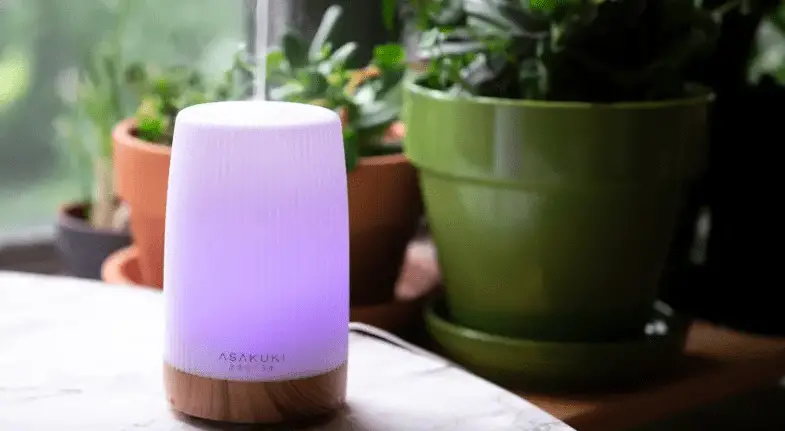
Yes, you can use a diffuser as a humidifier for plants. Humidifiers and diffusers do the same thing: they add moisture to the air.
The main difference is that humidifiers use a wick or filter to absorb water and then release it into the air, while diffusers use ultrasonic vibrations to create a fine mist of water that is released into the air.
There are some benefits and drawbacks of using a diffuser for plants, which we will explore below.
Benefits of Using a Diffuser as a Humidifier for Plants
There are several benefits of using a diffuser as a humidifier for plants.
1. Stops small plants from drying out
One benefit is that it can help prevent your plants from drying out. If you live in a dry climate or if your home is particularly dry, using a diffuser can help increase the humidity levels around your plants and prevent them from becoming dried out.
2. Increased growth
Another benefit of using a diffuser as a humidifier for plants is that it can help promote growth. Plants need a certain amount of humidity to grow properly, and using a diffuser can help provide the right amount of moisture for them.
3. Economical
If you already own a diffuser, there’s no need to purchase a separate humidifier. Using a diffuser as a humidifier for plants can be a more economical option for those on a budget.
Drawbacks of Using a Diffuser as a Humidifier for Plants
There are also some drawbacks of using a diffuser as a humidifier for plants.
1. Can be too small
One drawback is that diffusers are small and only work well in small spaces. If you have a large home or a lot of plants, you may need to purchase multiple diffusers or look for another option.
Humidifiers are better for adding moisture to the whole room, not just one small space where the device is. This means that, for large rooms or homes, a diffuser may not be the best option as it will not be able to humidify the entire space.
2. Too much moisture
It can encourage mold and mildew growth. If you use a diffuser in an area that is already damp or humid, it can create the perfect environment for mold and mildew to grow. Additionally, if you have plants that are susceptible to mold or mildew, using a diffuser may cause them to become infected.
3. Essential oilscan be harmful
If you’re using essential oils in your diffuser, be aware that some of them can be harmful to plants. Make sure you research the oils you’re using and whether or not they are safe for plants before adding them to your diffuser.
Is a Humidifier or Diffuser Better for Plants?
While both play a similar role in adding moisture to your home, a humidifier is generally better for plants than a diffuser. Humidifiers come in all shapes and sizes, so you can find one that is the perfect size for your home and your plants.
I like using this humidifier (Amazon link)in my bedroom. LEVOIT is one of the most respected brands in the niche and it comes with a range of super-cool features, like auto
Additionally, humidifiers do not release essential oils into the air, so they will not increase the risk of leaf diseases or mold and mildew growth. If you are looking for an easy and affordable way to increase the humidity in your home, a humidifier is generally the better option.
However, if you only have a small space or a few plants, a diffuser may be the better option for you. It’s great if you are on a budget and don’t want to purchase any additional equipment.
Can You Diffuse Essential Oils Near Plants?
Yes, you can, but it depends on the oil. Some essential oils, such as eucalyptus and peppermint, can be harmful to plants. If you diffuse these oils near your plants, they may experience leaf burn or other damage.
Other essential oils, such as neem oil, are safe to use around plants. In fact, neem oil is known to be a natural insecticide and can help keep your plants healthy. Cinnamon oil is an anti-fungal oil that can also be used in a diffuser and near your plants.
When diffusing essential oils near plants, it is important to start with a small amount and increase it gradually. You should also diffuser the oils in a well-ventilated area so that the plants do not become overwhelmed by the scent.
If you are unsure whether an essential oil is safe to use around plants, it is best to err on the side of caution and avoid diffusing it near them.
How Much Humidity is Enough?
The amount of humidity that is ideal for plants varies depending on the plant. Some plants, such as ferns, prefer high humidity levels and will do best in an environment that is between 60-80% humidity.
Other plants, such as succulents, prefer lower humidity levels and will do best in an environment that is between 30-50% humidity.
You can use a hygrometer (Amazon link) to measure the humidity levels in your home. This will help you determine whether you need to increase the humidity or not.
Conclusion
In conclusion, you can use a diffuser as a humidifier for plants, but there are some drawbacks. If you have a small space or only a few plants, a diffuser may be the better option for you.
If you have a large space or many plants, a humidifier is generally the better option. Just be sure to avoid using essential oils that are harmful to plants. And, always start with a small amount of oil and increase it gradually.
Do you have any tips for increasing humidity in your home? Share them in the comments below. Thanks for reading!
Do you have a garden full of beautiful plants? Are you worried that your cat might drink the water from the plants and get sick? In this article, we will discuss whether or not it is safe for cats to drink plant water. Let’s get started!
Can Cats Drink Plant Water?
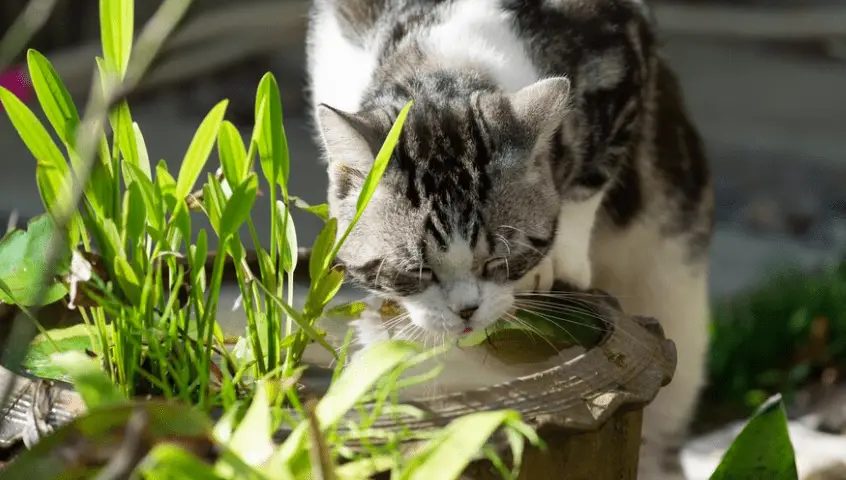
Yes, as long as the plant is non-toxic to cats. Your cat can actually benefit from drinking plant water because it contains nutrients and minerals that are good for them.
However, if you have a poisonous plant in your home, it is important to keep the plant out of reach of your cat. The answer all comes down to whether or not the plant is poisonous to cats.
If you’re not sure whether or not a plant is poisonous to cats, it’s always best to err on the side of caution and keep the plant out of reach of your cat.
It’s also important to consider any fertilizers or pesticides that you may have used on your plants. These chemicals can be harmful to cats if ingested, so it’s best to avoid giving your cat access to plant water if you have recently treated your plants with these products.
What to Do If My Cat Drinks Plant Water?
The first step is to identify whether the plant your cat drank from is poisonous or not. If the plant is poisonous, you will need to take your cat to the vet immediately. For example, cats will be fine drinking bamboo water, however, they will get sick from drinking water from a lily plant.
If the plant is not poisonous, there is no need to take your cat to the vet. Just keep an eye on them for the next 24-48 hours to make sure they don’t have any adverse reactions to the plant water.
Of course, going to the vet is always the best option if you are concerned about your cat’s health. Not many people realize that plant water also contains fertilizer, which is another reason to be cautious.
How to Prevent Cats from Drinking Plant Water?
There are a number of ways that you can prevent your cat from drinking plant water. Let’s take a look at a few of the most popular methods:
1. Don’t overwater your plants
Giving too much water will result in a pool of water at the bottom of your pot. Your cat will be able to easily reach this water and drink it, which could lead to them getting sick.
Plus, too much water is generally a bad idea for plant health. Only add more water when the top inch of soil is dry.
2. Use a cat-proof pot
There are now many different types of pots that come with a lid or screen to prevent cats from getting to the water inside. This is a great option if you have an indoor plant that your cat likes to drink from.
3. Keep your plants out of reach
If you have plants that are poisonous to cats, make sure to keep them out of reach. This might mean hanging them from the ceiling or putting them on a high shelf that your cat can’t reach.
You can also use a physical barrier like a baby gate to keep your cat away from certain areas of your home where plants are located. However, some cats are skilled jumpers, so this might not be the best option if your cat is particularly agile.
4. Provide plenty of water to your cat
One of the best ways to prevent your cat from drinking plant water is to make sure they have plenty of freshwater available. This will prevent your cat from going in search of water from other sources, including plants.
5. Get a water fountainfor your cat
Another option is to get a water fountain for your cat. Water fountains are designed to encourage cats to drink more water, and they can be a great way to keep your cat hydrated.
Cats generally prefer running water, so a water fountain is a great way to give them what they want. Plus, it will also help to keep your cat’s water dish clean.
6. Use cat repellent
There are now many different types of cat repellents available on the market. These repellents can help to keep your cat away from certain areas of your home, which can be useful if you have plants that you don’t want your cat to drink from.
Cat repellents typically contain citrus oils or other strong-smelling ingredients that cats don’t like. You can find cat repellents in spray form or as granules that you can sprinkle around your plants.
The important thing is to find a cat repellent that is safe to use around plants. Some products contain ingredients that can be harmful to plants, so it’s important to read the label carefully before purchasing.
Conclusion
In conclusion, you should be careful about giving your cat plant water to drink. While some plants are safe for cats, others can be poisonous. If you’re not sure whether or not a plant is safe for your cat, it’s always best to err on the side of caution and keep the plant out of reach.
Remember, plant water can also contain fertilizer and harmful bacteria, so it’s not worth the risk. If you’re concerned about your cat’s hydration, make sure to provide plenty of fresh water and consider getting a water fountain. You can also use cat repellent to keep your cat away from plants that you don’t want them to drink from.
Do you have any questions or concerns about giving your cat plant water? Leave a comment below and we’ll be happy to help!
If you’re like me, then you probably enjoy having plants around the house. Not only do they make your home look more inviting and relaxing, but they also provide some extra oxygen for you to breathe.
But one question that many people have is whether or not light from a window is direct sunlight. In this blog post, we’ll go over what direct sunlight is and whether or not light from a window counts as direct sunlight for your house plants.
Is Light Through a Window Direct Sunlight for House Plants?
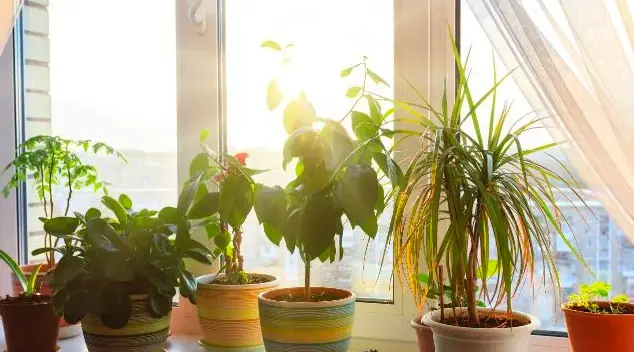
If the rays of the sun are shining directly through the window and onto your plant, then yes, this light is considered direct sunlight.
Not all windows in your home allow the plant to receive direct sunlight, however. If the plant is placed near a window at the opposite end of the house from where the sun is shining, then it will likely only receive indirect sunlight.
A good way to test if your plant is receiving direct sunlight through the window is by placing your hand between the plant and the window. If you feel the intense heat on your hand, then the plant is likely to be receiving direct sunlight.
In general, most house plants prefer bright, indirect sunlight as opposed to direct sunlight. This is because direct sunlight can be too intense for many plants and can cause them to wilt or even burn.
Can a Plant Get Sunlight through a Window?
Yes, a plant can get sunlight through a window. However, the amount of light that a plant gets from a window will depend on the type of window, the time of day, and the season.
For example, a south-facing window will provide more direct sunlight than a north-facing window. Additionally, a window that is not covered by anything (such as a curtain or blind) will allow more light to pass through than a window that is covered.
Finally, the amount of sunlight that a window allows will also change throughout the day and the year. In general, windows will allow more light during the spring and summer months than they do in the fall and winter.
Put simply, the windows won’t block sun rays from coming into your home and hitting your plants. This is why you need to be careful about placing your plants too close to a window, as direct sun rays can damage them.
Window Direction Matters
The direction your window faces also plays a role in how much direct sunlight enters your home.
For example, a south-facing window will receive more direct sunlight than a north-facing window. This is because the sun is always in the southern sky (in the Northern Hemisphere), so a south-facing window will be hit by direct sunlight for longer during the day than a north-facing window.
South-facing window
Additionally, an east- or west-facing window will receive direct sunlight for part of the day, but not all day long like a south-facing window. For example, an east-facing window will receive direct sunlight in the morning, but not in the afternoon.
This is why it’s important to know which direction your windows are facing before you choose a spot for your house plants. You’ll want to avoid placing them in front of a south-facing window, as they will likely get too much direct sunlight.
Moving your plants to different windows in your home allows you to control the amount of direct and indirect sunlight they receive.
How Much Sunlight is Enough?
Now that we’ve answered that question, you might be wondering how much direct sunlight your house plants need. The answer to this question depends on the type of plant you have.
For example, succulents and cacti need a lot of direct sunlight, so a window that gets plenty of sun throughout the day would be ideal for these types of plants. On the other hand, ferns and ivies prefer indirect light, so a window that is shaded for part of the day would be better for them.
In general, it’s a good idea to do some research on the type of plant you have before deciding where to put it in your home. That way, you can be sure that your plant is getting the right amount of light.
Filtering Direct Sunlight Through Windows
If you have to keep your plants in a spot that gets direct sunlight, there are some things you can do to help filter the light.
1. Use sheer curtains
You can use sheer curtains to help filter direct sunlight. Sheer curtains are made of a lightweight fabric that allows some light to pass through while still blocking out the harshest rays of the sun.
This is a good option for windows that get direct sunlight for part of the day, as it will allow your plants to get some light without being exposed to too much sun.
Just be sure to open the curtains during the times when the sun is not shining directly on the window, so your plants can get some indirect light.
2. Move the plant further from the window
If you can’t use curtains, another option is to move the plant further from the window. This way, the plant will still get some light, but it won’t be hit by direct sunlight.
3. Block UV rays with a filter
Finally, you can also buy a UV filter to put on your window. This will block out the harmful UV rays from the sun while still allowing some light to pass through.
UV filters are a good option for windows that get direct sunlight all day long, as they will help protect your plants from the harsh sun.
There are a few different options for filtering direct sunlight through windows. Sheer curtains, moving the plant further from the window, and using a UV filter are all good choices. Just be sure to choose the option that will work best for your plant.
Conclusion
In conclusion, windows will not block all direct sunlight from coming into your home and hitting the leaves of your plants.
If you have a plant that prefers indirect light, it’s best to keep it away from windows. You can use sheer curtains, move the plant further from the window, or use a UV filter to help protect it from the harsh sun.
By following these tips, you can ensure that your plants are getting the right amount of light. Happy planting!
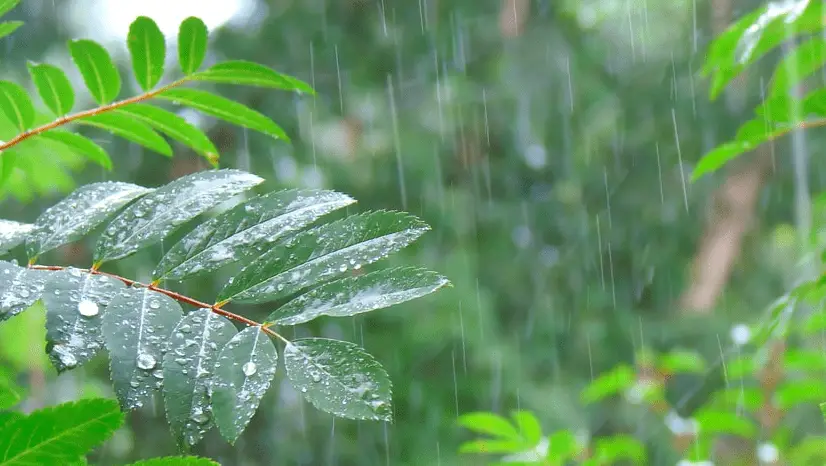
There is a long-standing belief that plants help bring rain. But how does this actually happen? In this blog post, we will explore the science behind this phenomenon and see just how plants help to create rainfall. Stay tuned!
How Do Plants Help in Bringing Rain?
Plants help in bringing rain through a process called transpiration, which is when water vapor is released from the leaves of plants. This water vapor then condenses in the atmosphere and falls back down to Earth as precipitation.
So, in a sense, plants act as tiny pumps that help to circulate water throughout the environment.
The holes in the leaves are known as stomata, and they open and close to regulate the amount of water vapor that is released. This helps to create a cycle of moisture that can eventually lead to precipitation.
Interestingly, transpiration also helps to cool the air around plants. As the water vapor evaporates, it sucks heat energy from the surrounding air, which can help to lower temperatures on hot days. So, not only do plants help to bring rain, but they also help to keep us cool!
The same is true for trees, which release large amounts of water vapor into the atmosphere through their leaves. In fact, trees and plants are thought to be responsible for around 40% of all precipitation that falls on land!
So, next time you see a rain shower, remember that it might not have happened without the help of some very special plants. Thanks, plants!
The Effects of Deforestation on Rainfall
Deforestation can have a huge impact on rainfall. When trees are chopped down, there is less vegetation to help with the transpiration process. This can lead to drier conditions and less precipitation.
In fact, research is showing that deforestation can research rainfall by 30% in some areas! This is just one more reason why it’s so important to protect our forests and promote sustainable forestry practices.
We all rely on the natural environment to provide us with freshwater, and we need to do our part to protect it. If we plant more trees and take care of the ones we have, we can help to bring rain back to our dry areas and improve the quality of life for everyone.
Conclusion
In conclusion, plants play a vital role in the water cycle and help to bring rain. They do this through a process called transpiration, which helps to circulate water and create precipitation.
Not only do plants help bring rain, but they also play an important role in cooling the air around us.
Did you find this blog post informative? Let us know in the comments below. Oh, and be sure to check out our other blog posts for more interesting science content.