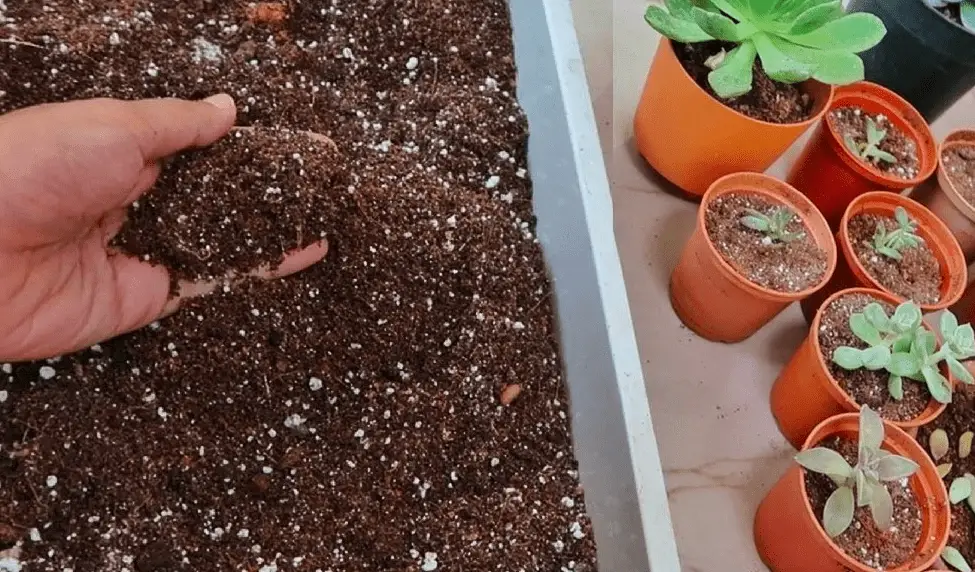
Soil is an important part of any garden, and it’s no different for succulents. In fact, the type of soil you use can make or break your succulent garden. Soil for succulents can be tricky to find, especially if you don’t live near a nursery that specializes in them.
Many people wonder if they can use orchid soil for their succulents. Whether you need to recycle some old potting mix or you’re just starting your succulent collection, you might be wondering if orchid soil is a good option. Let’s find out…
Can You Use Orchid Soil for Succulents?
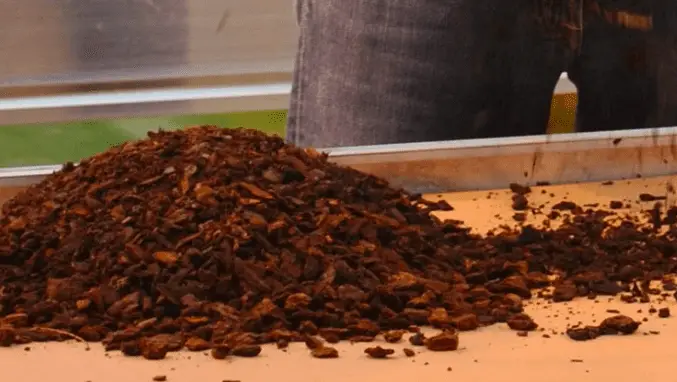
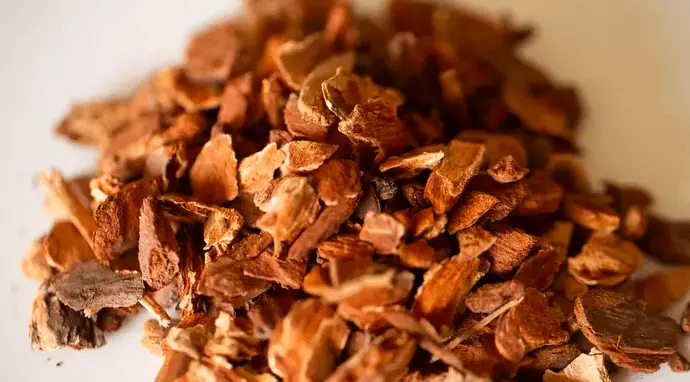
No, you cannot use orchid soil for succulents. Orchid soil is made up of bark and other organic matter that exposes the roots to air. This is fine for orchids, which need air to their roots to thrive, but succulents don’t like their roots to be exposed to air.
Succulents like soil that drains quickly and doesn’t hold onto water. This means it contains more inorganic matter, like sand, perlite, and pumice. If you’re looking for a potting mix for succulents, try cactus mix. It has a higher percentage of inorganic matter than orchid potting mixes and it drains quickly.
If you use orchid soil for your succulents, be sure to mix it with other ingredients and drainage material like perlite or pumice. This will help to ensure that your succulents get the drainage they need.
While orchid soil isn’t ideal for succulents that grow in deserts, it can be used for succulents that come from tropical climates, like the Campfire Crassula. These succulents come from areas with high humidity, so they can do better in an orchid soil mix.
There are two other reasons why orchid soil isn’t the best for succulents:
1) Bark breakdown
Orchid mix is made up of bark that will eventually break down and turn into compost. This is great for orchids, which can be repotted easily, but do you really want to repot your succulents every year?
2) Stability
As we just mentioned, orchid soil is made up of bark and other organic matter. This means there are huge air gaps between the particles. This can make it difficult for succulent roots to establish themselves and get the stability they need.
Don’t be surprised to your succulents start to tip over if you use orchid soil. You can readjust them, but this isn’t ideal for long-term growth or for a succulent that’s already struggling.
In general, it’s best to use a soil mix that is designed for the type of plant you are growing. This will help your plants to thrive and prevent problems down the road.
With that said, if you find yourself in a bind and need to use orchid soil for your succulents, just be sure to mix it with other ingredients and drainage material. Your succulents will thank you for it!
When it comes to succulents, the most important thing is to make sure that their roots don’t rot. This means that you need to use a well-draining soil mix. If you’re not sure whether your soil is well-draining, just stick your finger in it.
No matter what type of soil you use, succulents will always appreciate a bit of extra drainage. This can be provided by adding perlite, pumice, or gravel to your potting mix. Just make sure that whatever you use is clean and free of chemicals.
What Is the Difference between Orchid Soil and Succulent Soil?
Orchid soil is typically made of bark, charcoal, and sphagnum moss. This type of soil allows air to reach the roots and also holds onto moisture. This is great for orchids, but not so great for succulents.
Succulent soil, on the other hand, is made of ingredients like perlite, pumice, and gravel. This type of soil drains well and doesn’t hold onto moisture, but doesn’t allow air to reach the roots as well.
Conclusion
In conclusion, you can use orchid soil for succulents, but it’s not ideal. Orchid soil retains moisture well, which can lead to problems for succulents. It’s best to use a soil mix that is specifically designed for succulents.
If you find yourself in a bind and need to use orchid soil, just be sure to mix it with other ingredients and drainage material. Your succulents will thank you for it!
Do you have any questions about using orchid soil for succulents? Let us know in the comments below. Happy planting!
If you’re like me, you probably love succulents. They are some of the most beautiful plants around, and they are very low maintenance. But one question that I often hear is whether succulents absorb moisture from the air. In this blog post, we will explore this topic and find out the answer!
Do Succulents Absorb Moisture from the Air?
Yes, succulents do absorb moisture from the air. They are able to do this because they have special structures called stomata on their leaves. Stomata are tiny pores that allow gas exchange to occur between the plant and the atmosphere.
When humid air passes over the stomata, water vapor is drawn into the plant and absorbed by the cells. This process is called transpiration. In addition to providing the plant with water, transpiration also helps to cool the plant and regulate its temperature.
Many people who live in humid environments never water their succulents because they get all the moisture they need from the air. This can be unbelievable for those of us who live in dry environments
However, those who don’t live in tropical environments can still provide their succulents with the moisture they need by watering once every few weeks.
Does This Affect the Watering Frequency?
Yes, the watering frequency for succulents should be adjusted depending on the humidity levels in your environment. If you live in a humid environment, you can water your succulents less often because they are getting moisture from the air.
Conversely, if you live in a dry environment, you will need to water your succulents more often to make up for the lack of moisture in the air.
No matter where you live, it’s always a good idea to check the soil before watering your succulents. If the soil is still moist from the last watering, then there is no need to water again.
Overwatering is one of the most common problems that people have with their succulents, so it’s important to be cautious when watering.
You can check the humidity in your environment by using a hygrometer (Amazon link). This will give you a good idea of how often you need to water your succulents.
Do Succulents Like Dry or Humid Air?
While succulents absorb moisture from the air, they don’t enjoy high humidity levels. If the air is too humid, it can cause the plant to rot.
Ideal humidity levels for succulents are between 40-50% humidity. Most other plants enjoy higher humidity levels, but succulents are adapted to arid environments and prefer lower humidity levels.
You can use a humidifier or dehumidifier to regulate the humidity in your environment. This is especially important if you live in an area with extreme weather conditions.
Conclusion
In conclusion, succulents do absorb moisture from the air, but they still need to be watered regularly. The frequency of watering will depend on the humidity levels in your environment. Use a hygrometer to help you determine how often to water your succulents.
Do you have any tips for watering succulents? Share them in the comments below!
If you are looking for the right size pumice for succulents, you have come to the right place. In this blog post, we will discuss the different sizes of pumice and which ones are best for succulents.
We will also give you some tips on how to use pumice in your garden. So, if you are interested in learning more about pumice and succulents, keep reading!
What Size Pumice for Succulents?
Pumice comes in a variety of sizes, from very fine to coarse. And while there is no definitive answer when it comes to the best size pumice for succulents, we can give you some general guidelines.
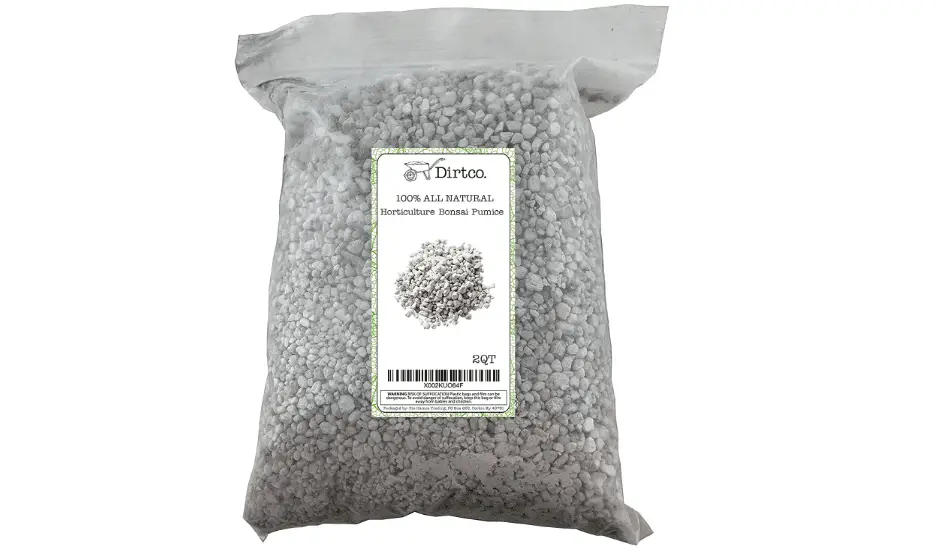
Most bags of pumice come in sizes of 1/8 to 3/8 inches, which provides a good mix of sizes for succulents. If you want to use smaller pieces of pumice, you can always sift it through a screen or colander.
The larger pieces of pumice of 3/8 inches are great for plants that need more airflow and less water, like Haworthia. The smaller pieces of pumice, on the other hand, are perfect for plants that require more moisture, like Sedum.
So, what size pumice should you use for your succulents? It really depends on the type of succulents you have and your growing conditions. If you are not sure, we recommend starting with a mix of sizes and seeing what works best for your plants.
Where to Get Pumice?
Now that you know what size pumice to use for your succulents, where can you get it? Pumice is a natural product and can be found at most garden centers or online.
When shopping for pumice, make sure to look for a product that is light in color and has a porous texture. Avoid products that are dark in color or have a smooth texture, as these can be too dense for succulents.
I use this horticultural pumice on all my succulents. It’s a 2lb bag that lasts for a good amount of time. Plus, there are no artificial colors or chemicals used to create that white stone look.
Why Use Pumice?
Pumice is a great addition to any succulent garden because it helps with drainage and aeration. Succulents need well-drained soil to prevent root rot, and pumice can help with that.
Pumice also helps aerate the soil, which is important for plant growth. And since pumice is light in weight, it won’t compact the soil like other materials.
This is why pumice is often used in cactus and succulent potting mixes. They are plants that need well-drained, aerated soil to thrive.
Conclusion
In conclusion, the best size pumice for succulents really depends on the type of succulents you have and your growing conditions. If you are not sure, you can always use a mix of sizes and see what works best for your plants. Pumice can be found at most garden centers or online. Thanks for reading!
Many people enjoy growing their own herbs. It’s a great way to have access to fresh herbs all year round, and it can be very rewarding to watch your plants grow. If you’re interested in starting your own herb garden, you may be wondering if you can use succulent soil for herbs. In this blog post, we will explore the answer to that question!
Can You Use Succulent Soil for Herbs?
Yes, you can use succulent soil for herbs. Succulent soil is a great option for growing herbs because it is well-draining and allows your herbs to get the air they need. Additionally, succulent soil is very easy to find and relatively inexpensive.
Depending on the herb, you may need to add some compost for added fertility. If you’re unsure whether or not your soil needs to be amended, it’s always best to err on the side of caution and add a little compost to the mix.
If you’re looking for high-quality succulent soil, we recommend using this one from Amazon. It has great reviews and will provide your herbs with everything they need to grow strong and healthy.
Which Herbs Grow Well in Succulent Soil?
Not all herbs will grow well in succulent soil, but there are a few that do particularly well. Some of the best herbs to grow in succulent soil include:
1. Sage
Native to the Mediterranean, sage is a hardy herb that can withstand hot and dry conditions. Sage grows best in full sun but will also do well in partial shade.
2. Rosemary
Rosemary is another herb that does well in succulent soil. It’s a bit more finicky than sage, but as long as you give it plenty of sunlight and water it regularly, it should do well. Rosemary is a great herb for cooking, especially with roast potatoes or chicken.
3. Bay
You’ll find bay leaves in a lot of different cuisines, including Italian, French, and Indian. Bay is a very versatile herb that can be used in many different dishes.
Bay prefers slightly moister soil compared to other herbs, but as long as you water it regularly, it should do well in succulent soil.
4. Oregano
This is a herb that is commonly used in Italian and Greek cooking. Oregano has a strong flavor, so a little goes a long way.
Like sage, oregano is a hardy herb that can withstand hot and dry conditions. It does best in slightly dry soil, so succulent soil should be fine.
How to Use Succulent Soil on Herbs?
If you’re thinking about using succulent soil for your herb garden, we recommend that you start with a small area to see how your plants do. Once you’ve determined that your herbs are doing well in the succulent soil, you can then expand your garden as desired.
When it comes to using succulent soil on herbs, less is more. Be sure to give your plants plenty of room to grow and don’t overcrowd them.
Additionally, make sure that you water your plants regularly and fertilize them as needed. By following these simple tips, you’ll be able to create a thriving herb garden that will provide you with fresh herbs for years to come!
What Does Succulent Soil Contain?
Succulent soil is a type of potting mix that is designed for plants that require well-drained soil. It typically contains a combination of sand, perlite, and peat moss. This type of soil is ideal for succulents because it allows the roots to breathe and prevents the plant from sitting in water.
Most potting mixes contain these ingredients, but succulent soil tends to contain more sand or perlite than other mixes. This helps to ensure that the soil drains quickly and doesn’t retain water.
The exact breakdown of ingredients depends on the manufacturer, but you can typically expect succulent soil to be made up of 40-50% potting soil, with the rest being made up of sand, perlite, or peat moss.
Conclusion
To sum up, succulent soil is a great option for growing herbs. The light structure and good drainage of succulent soil are perfect for most herbs, and it’s easy to find and relatively inexpensive.
If you’re thinking about starting your own herb garden, we recommend that you give succulent soil a try! It means you won’t need to purchase any extra supplies, and you can be sure that your herbs will have everything they need to grow strong and healthy.
We hope you enjoyed this blog post. If you have any questions or comments, please feel free to leave them below. Happy gardening!
If you’re like me, you love succulents! They are the perfect plants to add a pop of color to any room in your house. And if you’re lucky enough to have a garden, they make great additions there, too. But what do you do if your succulents start looking a little sickly? Is Seasol the answer? Keep reading to find out!
Can You Use Seasol on Succulents?
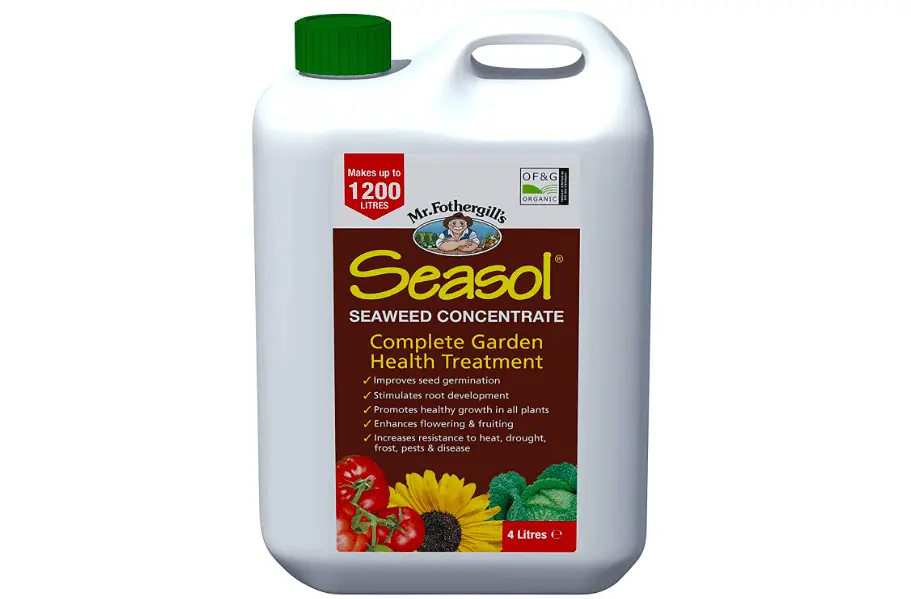
Yes, you can use Seasol on succulents! In fact, it’s a great way to add vital nutrients to their soil and help them recover from any stresses they may be experiencing. Just be sure to dilute the Seasol according to the instructions on the bottle, and you’ll soon see your succulents looking healthy and happy again.
Like other plants, succulents need a variety of nutrients to stay healthy. They need nitrogen for foliage growth, phosphorus for root development, and potassium for overall plant health. Seasol is a great way to provide these nutrients to your succulents, as well as help them recover from any type of stress.
However, succulents need less nitrogen than other plants do. This is because they are native to arid environments and have adapted to store water in their leaves. Too much nitrogen can cause succulents to produce too much foliage, which can lead to the plant becoming top-heavy, as well as fungal infections.
Seasol contains just the correct amount of nitrogen, phosphorus, and potassium that succulents need to stay healthy. It also contains other vital nutrients like iron, manganese, copper, and zinc.
Seasol is also great at stopping mealybugs and scale from attacking your succulents, so it’s definitely a product worth considering if you’re looking for a way to keep your plants healthy and happy!
How Much Seasol to Use on Succulents?
When using Seasol on succulents, it’s important to dilute it according to the instructions on the bottle.
I like to use roughly 150ml (one cup) of Seasol for every 7-9L of water. I put both liquids into a spray bottle and then spray my succulents generously.
It’s also important to remember that too much of anything is never a good thing. This includes watering your plants too often or using too much Seasol. If you do use too much Seasol, you may notice the leaves of your succulents turning yellow or brown. This is a sign that they are getting too much iron and manganese.
If you see this happening, simply stop using Seasol for a while and let the plants recover. They should be back to normal in no time.
What is Seasol?
Seasol is a seaweed extract that has been used for many years to improve plant health. It is rich in minerals and vitamins, as well as trace elements that are essential for plant growth.
The product is from Australia and is made from kelp that is found along the southern coast. It is harvested and then dried before being made into a liquid concentrate.
Seasol can be used on all types of plants, including succulents. It is safe to use and will not harm your plants. In fact, Seasol can even help stressed plants to recover and become healthy again.
Conclusion
In conclusion, you can use Seasol on succulents to help them recover from stress and add vital nutrients to their soil. But to get the most from Seasol, it’s important to dilute it according to the instructions on the bottle.
And remember, succulents need less nitrogen than other plants do, so don’t overdo it! A little Seasol goes a long way with these amazing plants.
I hope this article was helpful and that you now feel confident using Seasol on your succulents. If you have any questions, please leave a comment below and I’ll be happy to help.