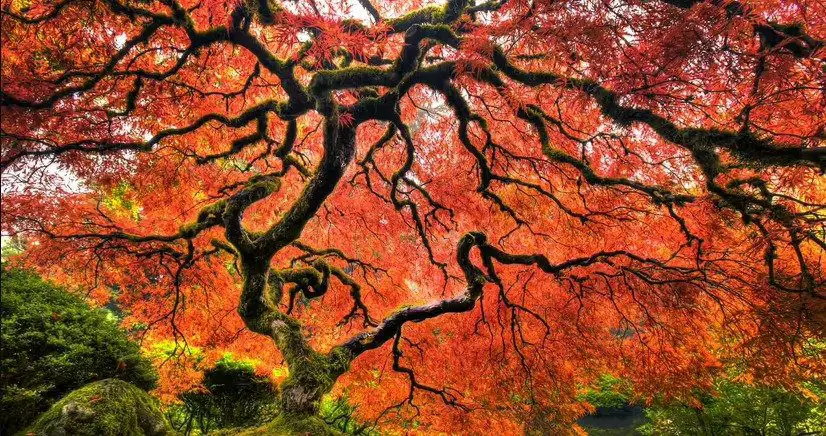
Japanese maples are beautiful trees that can add a lot to your landscaping. However, sometimes you may notice holes in the leaves of your Japanese maple, which may be more than just an aesthetic issue.
If not taken care of properly, these holes could lead to bigger problems for your tree and leave you with some difficult decisions on what to do next.
In this article, we will discuss the causes and treatments for this problem so you know what to do if this happens.
Why Are There Holes in My Japanese Maple Leaves?
There are holes in your Japanese maple leaves because a leaf-eating pest has moved in. The two most common pests that eat Japanese maple are scale and bagworm moths, which will both leave behind damage to your tree if not treated properly right away.
Other than that, there’s a chance your Japanese maple tree has been infected with leaf spot disease, which begins as tiny spots and progresses to bigger marks that spread.
How to Prevent Holes in Japanese Maple Leaves?
You can prevent these holes from appearing on your leaves by treating the area with a pesticide, which will take care of both scale and bagworm moths.
My favorite product to use isneem oil (Amazon link), which is an organic pesticide and fungicide made from the neem tree. Simply spray all affected plants with neem oil – making sure that all areas all covered.
This neem oil will also work well for any leaf spot. You should start by removing seriously affected leaves, and discarding them away from any other plants. Then, use neem oil on the leaves to get rid of any remaining fungal spores.
Holes in Japanese Maple Tree Leaves FAQ
Japanese maples aren’t the easiest of trees to look after. As such, I will now answer some of the most common questions I get asked about their leaves.
Will the holes in my Japanese maple leaves heal themselves?
No, this is not something that your tree will naturally repair. The leaves will keep their holes, but you can treat the tree to help it grow new leaves that are healthier.
What should I do if I find holes in my Japanese maple leaves?
Take time to find out what is causing the issue. The first thing to do is look for signs of pests, such as scale. If you find these, it is time to treat the tree with a pesticide of your choice and make sure to re-treat every few weeks until you don’t see any more signs of pests on the leaves.
Can I prune my Japanese maple to make the leaves look better?
Yes, you should always prune any damaged branches on your tree. This will improve its health and help them grow new leaves that are healthy again. Make sure to use sterilized shears that are sharp.
Conclusion
In conclusion, if your Japanese maple leaves have holes in them, you need to find out what is causing the issue. By doing this and treating the tree correctly, you will notice that these issues don’t happen again.
In most cases, pesticide or neem oil will get rid of the pests and fix the issue. I hope this article was helpful. Please do let me know if the tips in this article helped your tree.
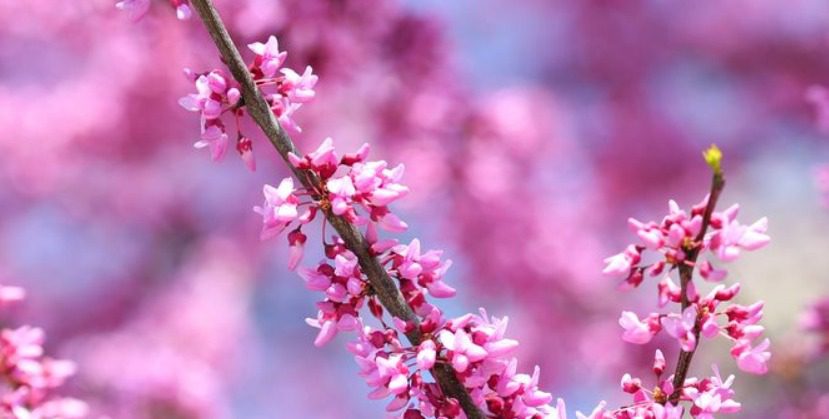
Have you ever seen a tree that is covered in beautiful, delicate blossoms? If so, then you have probably seen a redbud tree.
The Redbud Tree is an iconic symbol of the early spring season. It’s also one of my favorite trees to look at when I’m out on walks or hiking trips!
But if your own redbud tree has not yet begun to bloom this year, don’t worry – you’re not alone.
Why Is My Redbud Tree Not Blooming?
Your redbud tree is not blooming because of too much water, poor development of flower buds, soil that is poor nutritionally, too much fertilizer, as well as fungal problems and root rot.
I will now go into greater detail about each of these reasons for why your redbud tree is not blooming. By the end of this post, you’ll know exactly what the problem is and how to fix it.
1. Overwatering
Although they love moist soil, your redbud tree may have stopped blooming because it is too wet.
If your redbud tree has not started blooming yet this year, then you may have over-watered it during the winter months of December through February when they were dormant (when no leaves were on the trees).
2. Too Much Fertilizer
Like with most things in life, more isn’t always better. Adding too much fertilizer may be why your redbud tree has not started blooming yet this year.
In fact, some fertilizers can be damaging to the redbud tree. It usually makes the leaves grow a lot, but it won’t do much to help the flower blooms.
3. Not Enough Sunlight
Not enough sunlight may also be why your redbud tree has not started blooming yet this year. 5 hours of sunlight a day is a good amount for a redbud tree.
If the sun is only shining on one side of your tree, then it will usually grow in that direction with all its energy – and ignore the flowers altogether!
This is why it’s important to plant your tree in an area that gets a good amount of sunlight.
4. Not Using Nutrient-Rich Soil
Redbuds thrive in nutrient-rich soil that contains a lot of organic material, such as compost or manure.
Not using rich soil can cause your redbud tree to stop blooming because the roots will not receive enough nutrients and oxygen for proper growth development.
I recommend using a mixture of compost, manure, and topsoil to feed your redbud tree.
5. Fungal Problems and Root Rot
Redbuds are very susceptible to diseases such as leaf spot, anthracnose, canker disease, and dieback which cause defoliation of leaves or limbs that will then affect flowering.
You can defeat redbud tree fungal infections by using neem oil, a fungicide that is very effective against these problems.
Root rot, on the other hand, can be easily prevented by ensuring you have good drainage in your soil and making sure it does not get too wet. You will also want to ensure your redbud tree has enough room for its roots to breathe.
6. Poor Development of Flower Buds
If your redbud tree has not started blooming yet this year, it may be because flower buds are poorly developed.
Redbuds need six weeks of cool weather before they will start to bloom – so if the temperature is always above 80 degrees F in March and April where you live, then that could prevent their flowers from opening.
Frequently Asked Questions
Redbud trees are beautiful, but complex, so I’ve answered the most frequently asked questions about redbud trees below.
When will my redbud tree start blooming?
Your redbud tree may not bloom until mid-April or May. If it has started, then you can expect your trees to be in full bloom for around two weeks before the flowers begin to fade away again.
Why did my redbud tree stop blooming?
There are many reasons why your redbud tree may have stopped blooming. Some of the most common reasons include too much water, poor development of flower buds, soil that is poor nutritionally, too much fertilizer, and fungal problems or root rot.
When is the best time to prune a redbud tree?
If you want your trees to be in full bloom as soon as possible, then I recommend that you do not prune them until late winter. If you have an overgrown shrub or one that has dead limbs sprouting everywhere, then it’s probably better to prune it in late winter or early spring before the blooming season starts.
Conclusion
In conclusion, there are many reasons why your redbud tree is not blooming yet this year.
It may be because of too much water, poor development of flower buds, soil that is poor nutritionally, too much fertilizer, as well as fungal problems and root rot.
I hope you enjoyed learning some more about the reasons why your redbud tree is not blooming yet this year and that you can now figure out what to do about it.
If you’re wondering why your ligustrum is losing leaves, the answer might be more complicated than you think.
The truth is that there are many reasons ligustrums lose their leaves, and it’s important to understand what they are so you can figure out how to stop them from happening.
In this blog post, we will talk about three of the most common reasons for leaf loss in ligustrums and provide a few solutions on how to fix these problems!
Why Is My Sunshine Ligustrum Losing Leaves?
Your sunshine ligustrum is dropping leaves because it is stressed. From my experience, sunshine ligustrum plants drop leaves when they get too dry and haven’t been given enough water.
However, this stress can be from many causes, such as too much sun exposure, pests, and extreme temperature fluctuations.
I’ll now go more in-depth into each possible stressor for your ligustrum plant, so you can understand why it’s losing leaves and what to do about it…
1. Underwatering
One of the most common reasons why your sunshine ligustrum is dropping leaves is because it’s been underwatered.
Ligustrums need a lot of water, especially in the summer months when their leaves are actively photosynthesizing and growing.
Sunshine ligustrums can be quite picky about how much they drink, too – if you don’t give them enough water or keep them consistently watered, they will slowly begin to die off.
I would recommend giving your ligustrum a good drink of water once or twice per week in the summertime, and more often if you live in an arid climate with low rainfall.
2. Sun Exposure
Sunshine ligustrums can suffer if they are in too much shade or direct sun.
If your ligustrum gets less than six hours of sunlight per day, you should look to move it somewhere with more light!
This is because ligustrums need a lot of strong light – weak indirect sunlight will not give them enough energy to survive.
If your ligustrum is in direct sunlight, it may be scorched and turning brown – this means it’s getting too much sun!
I would recommend moving the plant somewhere with more indirect light if you find that to be the case.
3. Pests
If you’ve noticed that your ligustrum is losing leaves and there are bugs crawling around, it might be that the plant has been attacked by pests.
The most common pest we see attacking ligustrums here is scale, which are small insects that suck juices from plants and cause them to turn brown.
If you catch this problem early on, I would recommend spraying your ligustrum with a pesticide specific to scale insects.
However, if the problem is more advanced and you have already lost leaves from damage, I would recommend removing those damaged areas immediately so that pests cannot continue feeding on the plant’s nutrients!
4. Temperature Fluctuations
Temperature fluctuations can also cause ligustrums to drop leaves. For example, if your plant is in a drafty area, it may lose some of its leaves due to cold drafts!
Ligustrum plants generally don’t like sudden temperature changes either, so make sure they are not exposed to extreme heat or cold for long periods of time.
And finally, make sure you are not exposing your plant to sudden temperature changes by moving it from a hot exterior location into an air-conditioned interior room!
Sunshine Ligustrum Plant Leaf Drop FAQ
With so much information, there is a chance that you’re still not sure what’s going on with your sunshine ligustrum. As such, I will now answer some commonly asked questions about this leaf drop.
Why is my sunshine ligustrumdropping leaves after repotting?
Your sunshine ligustrum is dropping leaves because it’s stressed. This stress can be from many causes, such as too much sun exposure, pests, and extreme temperature fluctuations. In this case, the repotting was too much stress.
Will grow lights stop my sunshine ligustrum from dropping leaves?
Yes, a grow light will prevent your ligustrum from dropping leave if the issue stems from lack of light. Sunshine ligustrums require a lot of direct sunlight, and if they aren’t getting enough sun exposure it can cause them to drop their leaves!
Conclusion
In conclusion, there are many reasons your ligustrum may be dropping leaves, but the most common reason is usually due to lack of water. If you keep up with watering it regularly and have not given it too much direct sunlight or drafty conditions, then it’s likely that something else is going on!
I hope this blog post helped answer any questions you may have had about your sunshine ligustrum’s leaf drop.
The Sunshine Ligustrum is a beautiful, fast-growing tree that can quickly cover an entire yard. But it isn’t immune to winter damage! Here are some tips on how you can care for your ligustrum in the winter months so that next spring it will be healthy and ready for blooming.
How to Care for Sunshine Ligustrum in Winter?
Sunshine Ligustrum is hardy in USDA zones 6 through 10. This means most people will be fine keeping their sunshine ligustrum alive during winter. In fact, the plant can survive in cold temperatures that drop below 0F.
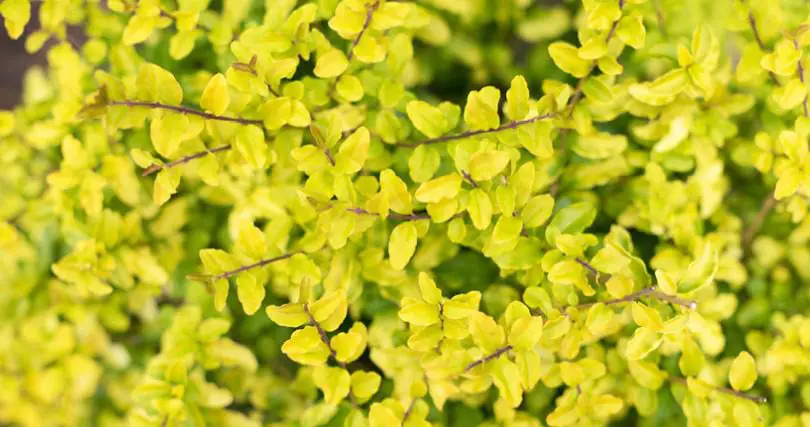
The one thing you may notice is a change in leaf color. While sunshine ligustrum is great at keeping their yellow color, the leaves can sometimes turn into a darker orange during the winter.
If you’re worried about keeping your sunshine ligustrum alive during winter, here are some tips to follow:
The one thing you should avoid doing is cutting off all of the leaves. If you do, the tree will be more susceptible to winter damage and could die completely during cold periods of winter.
It’s also important that your ligustrum gets plenty of water in early spring so it can put on new growth before colder temperatures start coming back around fall time.
Plant your ligustrum in an area that will receive plenty of light during the winter. The more sun it gets, the better chances of survival!
Does Sunshine Ligustrum Lose Its Leaves in Winter?
The plant is quite random when it comes to leaf drop. In many winter locations, the sunshine ligustrum will lose some of its leaves.
The good news is that the plant doesn’t mind being pruned, which is often enough to encourage new growth again. The best time to do this is in early spring, just after the threat of a hard freeze has passed.
Does Sunshine Ligustrum Stay Yellow All Year?
Yes, the plant stays yellow all year round. However, the location of where you live can have an effect on how bright the leaves are.
If you happen to live in a warm climate or somewhere that receives more sunlight during the winter months, your ligustrum will be able to stay its brightest color longer into fall and even early wintertime.
You may notice that the golden leaves start turning slightly orange during winter, but don’t be alarmed if this happens.
Can Sunshine Ligustrum Survive Freeze?
Yes, the plant can survive a freeze. However, you happen to live in a location that sees cold temperatures drop below 0F, make sure your ligustrum is protected during wintertime.
The good news is that this is a hardy plant that can cope with nearly all manner of temperatures.
Conclusion
In conclusion, the sunshine ligustrum is a beautiful plant that can survive cold temperatures, but it’s important to keep your ligustrum alive during winter by providing plenty of sunlight.
Those who live in a colder climate should take care to ensure their ligustrum has enough water and nutrients during early spring so it can grow back before winter comes around again.
If you don’t live in USDA zones 6 through 10, then you may need to approach things differently, or even think twice about planting a sunshine ligustrum before winter.
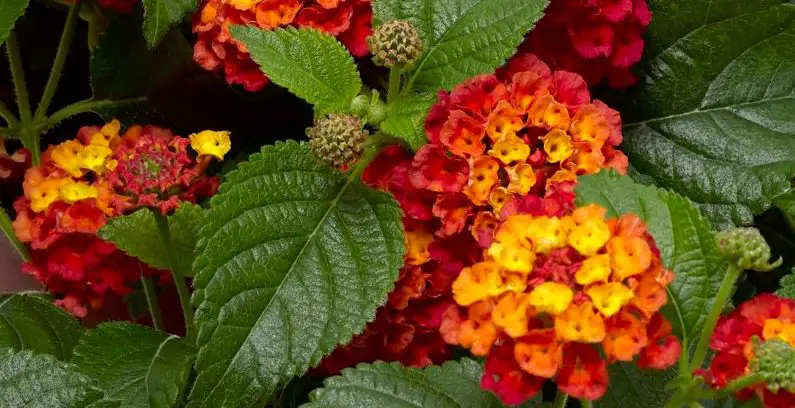
Lantana is a beautiful flowering plant that blooms in the summer. Unfortunately, it can also be a very finicky plant when it comes to watering and sunlight. This blog post will help you understand why your lantana may be turning brown and how to keep them healthy.
Why Is My Lantana Turning Brown?
Overwatering and leaf burning are the most common reasons for lantana to turn brown. The wet brown leaves from overwatering are different from the dry and crispy burnt leaves.
It’s important to determine why the leaves became brown in the first place. I’ll go through these two factors in-depth, as well as what you can do to prevent this from occurring again.
Browning Lantana Leaves from Too Much Water
If the lantana plant was overwatered, you’ll notice that all of the leaves are brown. The soil will also feel wet and heavy when you dig your fingers into it.
This is the most common cause of browning lantana leaves. If you overwater your plant, it’s important to drain some water out of the pot and keep them on a drier side until they recover.
I recommend only watering when the top few inches of soil are dry. You can test this by sticking your finger in about an inch and having a little patience.
While brown leaves seem like just an aesthetic issue, brown leaves can be quite a serious issue. You see, it can often mean that your plant has root rot, which is a common issue with overwatered lantanas.
If you see brown leaves and the roots look mushy, it’s often best to throw out this plant or attempt propagation (if they’re still alive). Although I’ve seen some plants bounce back after treatment, many will not make it past this stage.
If the plant can be saved, then trim any rotten roots and repot the plant into fresh soil that drains well. Hopefully, the plant will bounce back and start to look healthy again.
Browning Lantana Leaves from Leaf Burn
The second most common reason for browning lantana leaves is leaf burn. This can be caused by too much sun exposure.
If your plant has been exposed to a lot of direct sunlight and you see crispy burnt leaves at the top of the stem, this is leaf burn.
In many cases, if the leaves are burnt from too much direct sunlight, then it may be best to remove them and cut back on sun exposure for a few weeks until they recover. This can give your plant time to grow new leaves that don’t need as much protection at first.
I recommend using curtains or other objects to block the sun during the afternoon when the sun is at its strongest. This is a good way to prevent leaf burn from occurring again in the future.
Browning Lantana Leaves FAQs
This lovely plant isn’t the most simple to look after. As a result, there are a lot of queries you may have. I’ve gathered some of the most frequently asked questions below so you can learn more about this topic from this blog article!
Will brown lantana leaves turn green again?
No, it is unlikely for brown lantana leaves to turn green again. Once the leaf is burnt, it may be best to remove it and let the plant focus on growing new leaves.
Should I remove brown leaves from my lantana?
Yes, prune off any burnt leaves and keep the plant in a cool, shaded area. This can help prevent further damage to your lantana as well as give it time to grow new leaves that won’t be affected by leaf burn again!
Will too much water cause the lantana to turn brown?
Yes, if the lantana is overwatered, it can cause them to turn brown. Lantanas should be watered when they are dry and drained from excess water as soon as possible.
Why are my lantana leaves wet and brown?
This is likely due to guttation, which occurs when the leaves absorb too much water and it starts to drip out through pores. If guttation is causing your lantana leaves to be wet and brown, then try watering less often or draining excess water from their pot as soon as possible!
Will direct sun cause lantana leaves to turn brown?
Yes, direct sunlight can cause leaf burn in lantanas, which leads to browning leaves. To prevent this from happening again in the future, try using curtains or other objects to block out the direct sun during the hottest part of the day!
Will tap water cause my lantana leaves to turn brown?
Yes, tap water contains chlorine and many other chemicals that can cause leaf burn to lantanas. To prevent this from happening, try using distilled water or rainwater!
Conclusion
In conclusion, the reasons for brown lantana leaves are varied depending on the situation. Browning from too much water is different from leaf burn that occurs when exposed to direct sunlight.
Either way, It’s best to determine why the plant is turning brown in order to prevent this from occurring again down the line.
I hope you’ve enjoyed this blog post on why is my lantana turning brown. If you’d like to learn more about how I can help with your gardening needs, be sure to check out the rest of our website! Thanks for reading and have a great day!