by Gardener Tim | Oct 28, 2021 | House Plants
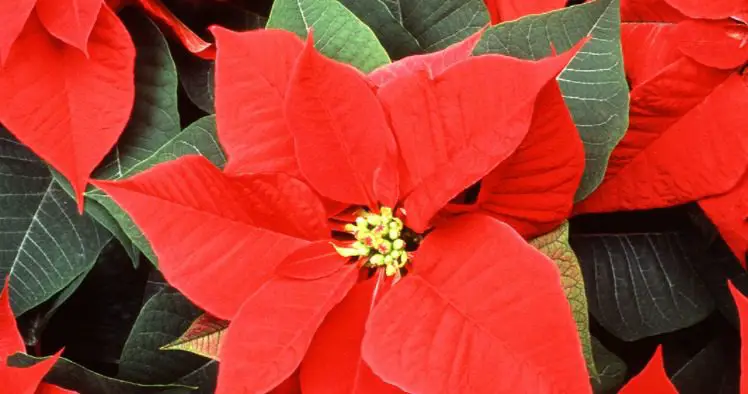
Poinsettias are a favorite holiday plant. They bring cheer to everyone who sees them, and they make an excellent gift for the people you love. But what do you do when your poinsettia starts turning brown?
There are many reasons why this might happen, so we’ve created this blog post to help answer any questions that you may have.
Why Is My Poinsettia Turning Brown?
The most common reasons for a poinsettia to be turning brown is overwatering and leaf burning. The brown leaves from overwatering are moist, whereas burnt leaves are dry and crispy.
It’s critical to figure out what caused the leaves to turn brown. I’ll go through these two factors in detail, as well as what you can do to avoid it from happening again.
Browning Poinsettia Leaves from Too Much Water
Poinsettias need lots of light and water to grow, so they require a bit more than the average houseplant. However, if you’re overwatering your poinsettia it can lead to brown leaves and root rot.
It’s recommended to only water when the top inch of soil is dry. You can find this out by sticking your finger in the soil. If you have a hard time telling if it’s dry or not, use a moisture meter instead.
Plants that sit in too much water usually get rotten roots, which can result in brown leaves and the death of your poinsettia. This is why I recommend checking the roots of your plant. If they look black, mushy, and even smell… then take action!
The first step is to prune all affected roots with a pair of sterilized shears. Next, wash the pot and re-pot your plant into clean soil that drains well. Hold off adding more water until the plant has had a chance to dry out.
The type of water is also important. In fact, using tap water can cause your poinsettia to become sick and display brown leaves. I recommend only using filtered water that is free from chlorine.
Browning Poinsettia Leaves from Leaf Burn
If your poinsettia leaves turn brown because of leaf burn, the leaves will be crisp and dry. Leaf burning is caused by too much sun exposure or unbalanced fertilizer levels.
Poinsettias need a lot of light to grow indoors, but not direct sunlight. If you place your plant in a sunny window that receives direct sun, it will burn.
This is why I recommend using a sheer curtain or blinds so the leaves don’t get too much exposure to light and sun.
A good sign that leaf burn is the cause of browning is if only some of the leaf tips have turned brown. Also, this usually happens to leaves at the top of the plant that receives more light.
I also recommend frequently turning your plant so that all sides of the poinsettia receive sun. This ensures that more than a few leaves absorb the sun’s rays.
Browning Poinsettia Leaves FAQs
This beautiful plant isn’t the easiest to care for. As such, there are a lot of questions that you may have. I’ve included some of the most frequently asked ones below so that you can get more information from this blog post!
Will brown poinsettia leaves turn green again?
No, it is unlikely for the brown leaves to turn green again. The great news is that new foliage will be green if you manage to tackle the root cause of the issue.
Should I remove brown leaves from my poinsettia?
Yes, prune all affected roots with a pair of sterilized shears. This will allow your plant to heal and grow healthy new foliage.
Will too much water cause the poinsettia to turn brown?
Yes, it is possible for a poinsettia to turn brown from too much water. This is why I recommend only watering a poinsettia when the top inch of soil is dry.
Why are my poinsettia leaves wet and brown?
This is likely due to guttation, which is when water droplets form on leaf tips. It happens when the plant receives too much water to handle.
Will direct sun cause poinsettia leaves to turn brown?
Yes, the leaves will turn brown if the plant is exposed to direct sunlight for too long. This can be prevented by using sheer curtains or blinds in windows and turning your poinsettia frequently.
Will tap water cause my poinsettia leaves to turn brown?
Yes, tap water contains chlorine that can cause leaf burn. If you already have brown leaves, it is best to switch over to filtered water so that the plant can heal and grow new foliage.
Conclusion
In conclusion, brown poinsettia leaves can be concerning to see, especially as they normally have wonderful red and green leaves. But don’t worry, you aren’t alone! I hope that this blog post has helped answer your questions and provided more insight into the causes of browning foliage. If your poinsettia is turning yellow too, then you may want to read that article to find out why.
by Gardener Tim | Oct 28, 2021 | House Plants, Outdoor And Patio Plants
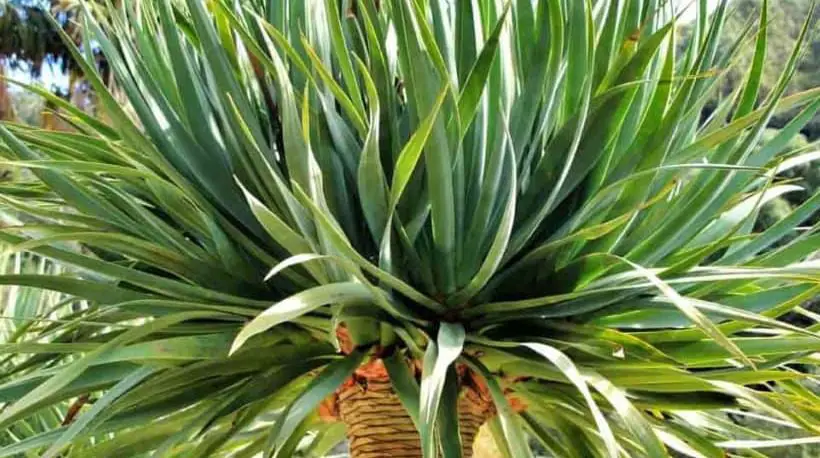
Dracaena is a type of plant that people often want to grow in their gardens. It can be found at many nurseries and garden centers, but some people are unsure if they should put it outside or inside.
Can Dracaena Live Outside?
Yes, you can grow dracaena outside in your garden! They are hardy plants that can survive in a variety of locations. However, dracaena plants prefer warmer temperatures (75F) and do not grow well in colder climates.
With the above information in mind, I only recommend planting a dracaena outside if the temperature stays consistently warm.
Also, the plant needs to be placed in a spot where it will receive plenty of sunlight throughout the day. This is essential for Dracaena plants to grow well! If you cannot provide the correct amount of light outside your house, then I recommend growing dracaena inside instead.
How To Grow Dracaena Outside?
There are many factors to consider when you want to grow a dracaena outside. Keep the following information in mind:
Temperature
Dracaena plants like warmer climates. If the air is too cold or too hot, then your plant will not survive for very long. Ideally, you will be able to provide temperatures of around 75F. This temperature will allow the plant to thrive.
If you live in an area that gets cold winters (below 50F), it would be best to grow dracaena inside instead. This will be the case for mst of you reading this article.
Lighting
Like most plants, dracaenas need light to survive. The good news is that dracaenas are hardy plants that can survive in dappled light and part shade. Too much light could burn your dracaena.
This is good news for people who want to grow their dracaena outside, but cannot provide full sunlight. However, it also means you need to be careful when it comes to direct sunlight, which could scorch the leaves if they are exposed to it for too long.
So, make sure your dracaena is not in full sun exposure and that the leaves never burn from too much sunlight! This will likely be a problem if you live in an area with hot summers. As mentioned before, they do best in areas that receive dappled or part shade light.
Watering
When it comes to watering a dracaena, dracaenas do best with moist soil. The plant should only be watered when the top one or two inches of soil is dry. If you live in an area that gets a lot of rain (or if your plants are growing inside), this will not require much attention on your part!
However, desert areas are very hot and dry. In this case, they will need more constant watering in order to keep the soil moist and stop the dracaena leaves from browning due to leaf burn. Again, I recommend growing dracaena inside if you live in a desert area!
Fertilization
If you notice that your dracaena is not growing well, then it may need fertilizer. I recommend using a general-purpose fertilizer (20-20-20) every few months to help the plant grow strong and healthy!
Pruning
Lastly, dracaena plants should be pruned every few years. This will help the plant stay healthy and strong! Use sharp shears to remove larger branches or entire stems if you want to keep your dracaena small in size.
Pests
When living outside, your dracaena is vulnerable to many different pests that can chew holes in the plant. Spider mites and mealybugs are two of the most common problems you will need to deal with as a dracaena owner.
These pests can be very difficult to get rid of, so it is best for people who want to grow their plants outside that they invest in pest control materials ahead of time!
I use neem oil to kill spider mites and mealybugs on my plants. You can use a general pesticide as well if you prefer, but make sure it is safe for your type of plant first!
You should also keep an eye out for pests like snails or slugs which will eat the leaves off your dracaena plant rather quickly! If this is the case, you can use slug bait to help get rid of them.
Soil
Dracaena plants prefer well-draining soil. I recommend using a mix of equal parts peat moss, perlite, and organic compost for your planting area.
This will be great for helping the plant to drain water! It is also good because it drains fast so you do not have standing water remaining around your plant after watering it.
Do not use potting soil because it can become too compacted, which will make it difficult for your plant to get the water and air circulation that is needed.
Outside Dracaena FAQs
This isn’t a simple topic, so I will now try to answer any other questions you may have.
What are the benefits of growing dracaena outdoors?
One of the benefits is that you can grow your plant as large as possible. In some cases, people will even be able to create a small tree by training it with wire or stakes! This means they do not have to worry about pruning their dracaena back for years at a time if desired.
What are the disadvantages of growing dracaena outdoors?
One disadvantage to growing your dracaena outside is the fact that it will require regular watering or it can die. You will also need to make sure that there is a place for the plant to get some shade during hot summers!
Should dracaena come inside during winter?
Yes, I recommend bringing your plant indoors during the winter. If you live in a cold area, then it will be too difficult to protect dracaena from frost or freezing temperatures!
Should dracaena go outside during summer?
You should only keep your dracaena outside in summer if you can provide enough water and give the plant an area to escape the afternoon heat, like under a large tree. Otherwise, it should be kept indoors during summer to prevent damage from the heat!
How to get more light for outdoor dracaena?
If you live in a hot, sunny area then your dracaena plant should be able to get plenty of light on its own! However, if this is not the case and your plant seems droopy or yellowish all over, then I recommend finding another spot for it.
How to water outside dracaena?
Dracaena plants should be watered a few times per week if it is hot outside. You can also water less in cooler temperatures, but remember that it will need more watering during summer.
Conclusion
In conclusion, you can grow a dracaena outside in your garden. However, you need to provide the right conditions for it to stay healthy and thrive. If you cannot meet these requirements, then I recommend growing them inside instead of outdoors.
If you have any other questions about dracaena plants, please don’t hesitate to reach out or check out my other posts.
by Gardener Tim | Oct 27, 2021 | House Plants
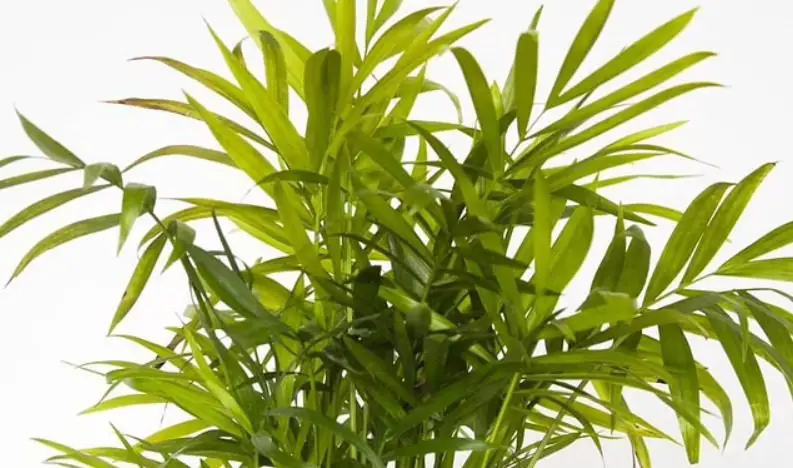
The parlor palm is a very popular indoor plant. It is easy to maintain and thrives in most conditions. However, if your palm starts turning white, there may be a few problems going on! In this blog post, we will discuss why this is happening and what you can do to prevent it.
Why Is My Parlor Palm Turning White?
Parlor palm leaves turn white when powdery mildew takes control. This is a fungal disease that can commonly infect indoor plants.
It is not known why parlor palms are so susceptible to powdery mildew, but the fungus can be identified by white spots on leaves. These usually start out small and can spread quickly if left untreated.
It usually happens because plants are growing in humid or wet conditions. When plants have too much moisture, fungi can grow and cause problems.
How to Save Parlor Palm Leaves From Powdery Mildew?
If you think your palm is suffering from this disease, it’s important to act fast! Start by removing the leaves that are heavily affected and have died.
Next, give your palm a good shower with water to rinse away any lingering fungi. The final step is to use neem oil, which is a natural pesticide that will not harm your plant in any way.
Neem oil is a perfect solution because it prevents fungi from growing in the first place, so you won’t have to deal with this problem again! This combination of treatments should save your parlor palm and prevent future powdery mildew outbreaks.
It’s important to spray other nearby plants that may have been infected by your white parlor palm. Simply spray the leaves until they are completely wet, being sure not to damage your plants.
To prevent this from happening again to your parlor palm, make sure you do not overwater it! Parlor palms need well-draining soil so the roots don’t sit in excess water for long periods of time.
FAQ
Powdery mildew is a difficult issue to deal with. As a result, I’ve included some frequently asked questions below to assist you in better comprehending this issue and being prepared if it arises.
What is powdery mildew?
Powdery mildew is a type of fungus that can attack a wide range of houseplants. It tends to form on the leaves, turning them white and making it difficult for plants to photosynthesize.
Is neem oil safe to use on parlor palm leaves?
Yes, neem oil is a natural pesticide that can be used on parlor palm leaves. This is the safest way to treat powdery mildew and also prevents future outbreaks from occurring.
What do I mix the neem oil with?
It is best to use neem oil mixed with water. Fill up a spray bottle and give your parlor palm leaves a good once over, making sure every inch has been sprayed.
Is the powdery mildew on my parlor palm dangerous?
No, powdery mildew is not dangerous to humans or animals. However, make sure not to ingest it or get it in your eyes. Other than that, you have nothing to worry about!
How do I prevent future outbreaks?
The best way to avoid further powdery mildew issues is by making sure your parlor palm isn’t growing in excess water. Be sure to give it well-draining soil and avoid overwatering!
How do I prevent powdery mildew on my other plants?
The key is to make sure your other houseplants are not growing in similar conditions as your parlor palm. This means you should take care of their watering needs individually because some plants need more water than others.
Is the powdery mildew going to kill my parlor palm?
No, it is highly unlikely that your white palm leaves will result in a dead tree. Powdery mildew can cause serious problems but they are not always fatal! If you follow these steps and treat your plant with neem oil, you should see an improvement within a couple of weeks.
Conclusion
In conclusion, powdery mildew can be a difficult issue to deal with. However, if you act quickly and treat your parlor palm leaves immediately, the chances of saving it are high!
by Gardener Tim | Oct 27, 2021 | House Plants
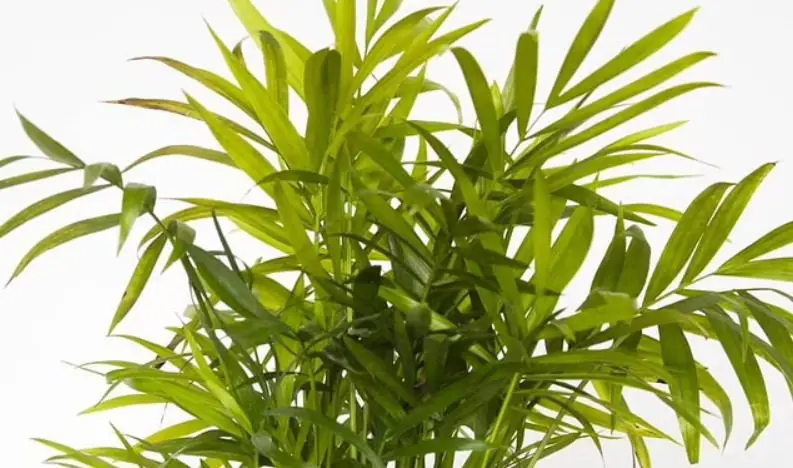
The parlor palm is a beautiful indoor plant that has become popular again in recent years. They are easy to maintain, but they can also be sensitive to environmental changes.
If your palm is dropping, there’s probably something wrong with the environment it’s living in. Read on for some quick tips to help you save your parlor palm before it dies!
Why Is My Parlor Palm Drooping?
The most likely reason why your parlor palm is drooping is that the plant hasn’t been given enough water. Palm plants are not very drought tolerant, so underwatering will cause the leaves to droop and wilt.
There are a variety of other reasons, but the most prevalent is underwatering. I’ve seen it happen time and time again, which demonstrates how simple it is to do.
I will now jump into the main reasons for drooping and what you can do to prevent it from happening again in the future.
1. Underwatering
This is the most common reason for drooping. If you’ve been underwatering your palm for a while, the leaves will begin to droop.
These plants, and most types of palms, require moist soil to thrive. Failure to water them frequently will result in drooping and withering leaves, which can quickly lead to death.
But how much water to give them? I recommend watering your parlor palm when the top inch of soil is dry. You can test this by sticking your finger into the dirt and seeing if it’s dry. If so, then you know that is time to water again!
You can also use a moisture meter, which is the most accurate method of determining when to water.
The type of water is also important… palms aren’t happy when they are given tap water that contains lots of chemicals, like chlorine. This is why I only use filtered water on my plants.
2. Pests
Pests are another common reason for drooping. If you notice that your parlor palm is beginning to lose leaves, it may be infested with mealybugs or scale insects.
You may not even realize what the issue is. I’ve had to find out for myself by spotting these tiny pests and removing them before they can do more damage!
The most common pest infestation on palms are mealybugs, which look like small little cotton balls that cling onto your plant. You’ll usually notice dying leaves as a result of an infestation with me
These insects can be controlled with a pesticide, but it is important to not use any that contain pyrethrin. This chemical will damage the plant and cause further problems.
Instead, I recommend using neem oil or insecticidal soap on your parlor palm until the problem subsides. Neem oil is an organic pesticide that is safe for most types of plants, but it does need to be applied frequently.
3. Disease
Sometimes, your parlor palm may be dying because it has a fungal disease. This is typically indicated by yellowing and browning leaves that drop off or curl up at the edges.
It will start in one section of the plant before spreading to other parts if left untreated. When this occurs, you’ll want to cut away any dead or dying leaves and prune the plant back a little.
This will help get rid of any dead material, which can cause more issues over time if not removed. Once you’ve done this, I recommend using neem oil again on the palm to prevent future problems from occurring.
4. Not enough sunlight
Your parlor palm may be suffering because it is not receiving enough sunlight. This can cause neglect and droop as a result of the plant trying to protect itself from dying by going into dormancy mode.
It’s common for people to put their palms in a shady area or near a wall that prevents them from getting direct light. If this is the case you’ll want to move your palm closer to a window or another area that receives more sun.
If your suspect this is the issue, then one idea is to invest in artificial grow lights, which can also help your palm grow faster and healthier!
I use these lights on nearly all of my houseplants, especially during winter when the days are short and dark.
5. Too much fertilizer
Your parlor palm may be dying because you’ve been over-fertilizing. This can cause it to droop and die, which is something that most people do not realize until it’s too late.
You might think that if you fertilize your plants then they will grow faster or healthier – but this isn’t always the case. In fact, too much fertilizer will burn your palm and kill off any new growth that is trying to appear!
When you fertilize your plant, it’s important to do so sparingly and only when necessary… according to the instructions on the package. This way you avoid over-fertilizing and rotting or burning your palms.
Droopy Parlor Palm FAQs
There’s a good chance you have a lot of questions. If that’s the case, I’ll go ahead and answer some of the most frequently asked questions.
Will droopy parlor palm leaves kill my plant?
It depends on why your parlor palm is drooping. If it’s from a fungal infection or other diseases then you may be in trouble, but these types of problems are also easy to resolve if caught early enough!
Do I need to re-pot a drooping parlor palm?
Only if the plant has root rot or has grown too big for its pot. Repotting when not necessary can stress your palm, which makes matters worse.
Why are my parlor palm leaves drooping after watering?
If you’ve watered your parlor palm and its leaves are drooping, then you may have given the wrong type of water. Make sure not to use tap water as this can have too much chlorine in it and burn the leaves.
Why are my parlor palm leaves drooping after repotting?
If your palm is drooping after repotting, then you may have done so too early – or at the wrong time of year. Make sure to only re-pot when it’s necessary and during spring or summer so that the plant has enough energy to recover from such a big change!
Conclusion
In conclusion, if your parlor palm is drooping it’s important not to panic – but also take action. There are a few possible reasons why this may be happening, so the first thing you’ll want to do is figure out what exactly is going on with your plant.
by Gardener Tim | Oct 27, 2021 | Plant Care
Since poinsettias are typically known for their red and green colors, it may be difficult to understand why they would turn yellow. When this happens, there is usually a problem with the growth or soil that needs to be addressed. Let’s find out more about this so you can help your poinsettia keep its red and green color.
Why Is My Poinsettia Turning Yellow?
The poinsettia is turning yellow due to an environmental stressor or too much water, but it may also be caused by not enough light.
I will now go into more depth on each of these causes. By the end, you should have a better idea of what to do when your poinsettia turns yellow.
Yellowing Poinsettia from Overwatering
The first cause for a yellowing poinsettia is overwatering. This happens when there is too much water in the soil or growing medium, which can be caused by not enough drainage holes to allow excess water to escape from the pot.
This causes two problems: one being that your plant will continue to take up more and more water, which can lead to root rot or fungal diseases. The other is that without proper drainage, the roots are unable to get oxygen and will suffocate.
Since this is caused by overwatering, you should reduce the amount of water given to your poinsettia immediately! Let it dry out a bit before giving it more water, and make sure to provide good drainage.
It‘s recommended to only add more water when the top inch of soil is dry. You can test this by sticking your finger into the soil. Alternatively, you can use a moisture meter to test the soil.
If root rot is already present, then time is of the essence! It’s important to act quickly if you want to save your poinsettia from this condition. The first step is to remove all the soil and growing medium you can from the pot.
Next, prune all rotten roots and discard them away from all plants. Finally, repot your poinsettia into fresh soil/growing medium with good drainage holes so there is no chance of overwatering again.
Yellowing Poinsettia from Too Little Sunlight
The next cause of a yellowing poinsettia is not enough sunlight. This happens when your plant isn’t getting enough light, which can lead to poor growth and a lack of flowers.
This causes two problems: one being that your plant will continue to grow more and more slowly, which can lead to stunted growth. The other is that without proper light, the leaves may yellow or drop off entirely since there is no chlorophyll production.
Since this is caused by a lack of sunlight, you should increase how much sun your poinsettia receives immediately! Make sure to rotate the pot every day so that all sides receive equal sunlight over time.
Make sure there are no objects or other plants blocking your poinsettia from receiving the light it needs. This is a common mistake that many plant carers make.
A good idea is to use artificial grow lights (Amazon link) to create a more consistent amount of sunlight. This way, your plant will receive light as soon as it wakes up and can be used during the night to help with flowering or dormancy periods.
Yellowing Poinsettia from Environmental Stress
The final cause for yellowing poinsettia is environmental stress. This happens when there are one or more outside sources that may not be ideal for the plant, which can lead to poor growth and a lack of flowers.
This is typically caused by the wrong environment, so it’s important to understand what your poinsettia needs.
This means that you should not place them near heaters, vents, fireplaces, or any other sources of heat that can dry them out and put them into a state of shock. When it starts to get cold outside, you should bring your poinsettia inside where it will be warm and well-lit.
Another way to cause stress is to repot your plant. You see, many of us think we are helping our plants when we give them a new home, but this is often a mistake. As such, only repot when necessary.
Yellowing Poinsettia Leaves FAQ
Poinsettia plants require unique care to thrive. As such, I will now answer some of the questions I get asked on a frequent basis (about the plant’s leaves).
Should I cut yellow leaves off my poinsettia?
Yes, you should use a pair of sterilized scissors to cut off any yellow leaves. Doing this will encourage new, healthy growth.
Will the yellow leaves on my poinsettia spread to other plants?
Only if your poinsettia has a fungal disease or pest infestation. Otherwise, there is no reason to be concerned.
Does the type of water I give to my poinsettia matter?
Yes, certain types of water may lead to root rot or other problems. As such, it’s important that you only use distilled or filtered water when watering your poinsettia.
Will too little light cause my poinsettia to turn yellow?
Yes, if your poinsettia isn’t receiving the right amount of light then it will begin to grow slowly and its leaves may turn yellow or drop off.
Will too much water cause my poinsettia to turn yellow?
Yes, if your poinsettia is overwatered then the roots will begin to rot and you may see yellow leaves or brown spots. This is a sign that the root system is dying and needs to be cut back immediately.
Will yellow poinsettia leaves turn green again?
No, it is very unlikely for your poinsettia’s leaves to return back to green. However, new growth may appear if you give your plant the care it needs to thrive. This means that you should place it in the best environment and give it plenty of sunlight.
Conclusion
In conclusion, your poinsettia should not turn yellow if it is receiving the appropriate amount of sunlight and water. The other cause for a yellowing poinsettia plant would be environmental stress, such as the wrong conditions, getting cold, or repotting.
I hope his article has helped you to understand why your poinsettia is turning yellow and what you can do to fix it. If this isn’t the case, feel free to contact me for more help. I would be happy to offer my assistance in any way that I can!