Grass is something we see on a daily basis. They look like a sheet of green that covers the earth. But although we see it every day, there is a lot we don’t know about these green blades.
One of the most common questions that people have is whether or not grass can be considered a vegetable. Many people believe that it is, while others are convinced that it isn’t. The truth? Let’s find out…
Is Grass a Vegetable?
Yes, all grass can be considered vegetables because it is consumed by animals that graze. In fact, there are many different types of grass that can be eaten by animals and people alike.
A vegetable is just a plant that can be eaten and provides nutrients for the body. Grass fits that description because it is a plant that also provides nutrients.
Grass comes in many different varieties and all provide an excellent source of nutrients. It may not be listed as a vegetable on your favorite restaurant menu but it still has plenty to offer if consumed in moderation.
Animals, like horses and cows, eat grass as part of their diet to provide them with the nutrients that they need.
It is also referred to as forage and it can be eaten by humans too! Dried-out stalks are put into a blender or juicer just like fruits, vegetables, nuts, etc. It’s an excellent way to get more greens in your life without having to eat salads.
Many people immediately think that grass isn’t a vegetable because it doesn’t resemble other vegetables, like tomatoes.
Why Is Grass Important?
Besides being a nutritious food, the grass is also important because it helps to add nutrients to the soil. Without this plant, our agricultural system would be in much worse shape than it already is.
In fact, when you have livestock that eats grass and then excretes waste from their bodies into the soil, that’s even better for your garden – or your grass!
Grass is important for all types of animals, whether they are pets or livestock. It provides them with the nutrients that their bodies need to grow strong and healthy. This includes horses, cows, chickens – even fish in some cases.
There’s no denying that this plant has many great benefits for both humans and animals alike. If you’re looking for a natural source of nutrients in your diet, then consider adding grass to the mix.
How Does Grass Spread So Easily?
Grass spreads easily because it has small seeds on the ends of each blade. When those seeds find a patch of dirt, they will spread and grow very quickly without any help from humans or animals. This is why grass can be found everywhere – including your lawn!
Grass is pollinated by wind and that is why it spreads so easily. This also explains the reason for those small seeds on each blade of grass – they are used to help with pollination and seed dispersal.
Grass can be found all over the world, whether you live in a rural area or an urban one! It’s not uncommon to see this plant growing right outside your window or even in the cracks of sidewalks.
Grass produces a LOT of pollen during the summer months. If you have allergies, then consider wearing a pollen mask when outside to prevent exposure.
Conclusion
In conclusion, grass can be considered a vegetable because it is an edible plant that provides nutrients. This is crazy news to many people but it’s important to remember that this plant also helps our agricultural system.
It may not be listed as a vegetable on your favorite restaurant menu but it still has plenty to offer if consumed in moderation and prepared properly!
I hope this article has helped to answer your question. If so, please share it with your friends and family. Also, be sure to check out the other content on my website.
Plant cells are complex, beautiful, and full of life. They have a lot in common with animal cells that we can see under the microscope. However, not many people are sure whether plant cells have lysosomes. In this post, I will give you the lowdown on plant cells and lysosomes.
Do Plant Cells Have Lysosomes?
No, plants cells do not have lysosomes. However, they do have their own version of lysosomes, known as lytic vacuoles. These lytic vacuoles work by detoxifying plants and maintaining overall homeostasis. A plant’s development would not be complete if it didn’t have these parts.
The characteristics of lysosomes and vacuoles are similar in some respects. They even come with some hydrolytic enzymes, which means they do the same actions as lysosomes. So although lytic vacuoles aren’t lysosomes, they can be thought of as the “plant’s lysosome”.
With that said… these vacuoles are also responsible for storing water and maintaining cell pressure. So even though the two have many things in common, animal lysosomes are different from plant lytic vacuoles.
What Are Lysosomes?
Lysosomes are cell organelle that contains enzymes. Animal cells have a lot of these, and they are responsible for “eating” old or foreign material in your body. Even though lysosomes aren’t the same thing as lytic vacuoles, I wanted to go over what you need to know about them before moving on.
They are important for digestion. Lysosomes are also responsible for recycling old material in your body – it’s kind of like a digestive system on its own!
Animals have lysosomes, which are responsible for waste and other cell waste debris decomposition. These lysosomes are vital when it comes to digesting food. Without them, cells would not be able to break down nutrients.
Conclusion
In conclusion, plant cells do not have lysosomes, but they contain their own version of them known as lytic vacuoles.
Plants are complex, beautiful, and full of life. They have a lot in common with animal cells that we can see under the microscope. However, not many people are sure whether plant cells have lysosomes. I hope this post helped you understand more about plant cells and lysosomes.
If you liked this post, please leave a like or comment. If you want to see more posts like this, be sure to follow me for more posts. Happy gardening!
There are many rumors and misconceptions about what lavender actually is. Some say it is a herb, while others say it is a flowering plant. So what’s the truth about lavender?
In this blog post, we will reveal to you whether or not Lavender is in fact an herb, shrub, or flower.
Is Lavender a Herb or Flower?
Lavender is a perennial herb that is a member of the mint family. It is native to the Mediterranean region but is also grown in other regions of the world, including North America.
The herb is dried and used for its fragrance, relaxing properties, and various medical purposes. This is why it can be used in soaps, shampoos, perfumes, and other products.
Herbs are described as plants that can be used as flavorings, spices, or medicine. As lavender is used as a spice and can have medicinal purposes, it can be considered a herb according to the definition of the word.
Is Lavender a Shrub?
Yes, lavender is a type of shrub known as a semi-shrub. This is because the herb has stems that become woodier as it ages.
As a shrub, lavender can grow up to three feet tall. The scent of the plant is known for being relaxing and calming, so it’s no wonder why people want their gardens filled with this amazing herb!
Shrubs are described as woody plants that usually have several main stems arising from the ground, and they can vary in height depending on their type. They range from small varieties, like lavender, to larger shrubs, like holly or viburnum.
Is Lavender Considered a Flower?
Yes, lavender is a perennial flower that blooms in the spring. There are 49 species of lavender flowers, including French, English, and Spanish.
Lavender transforms from a small bush into beautiful flowers that bloom in bright colors ranging from white to purple. It is native to the Mediterranean region but has been naturalized throughout Europe, North America, and other regions across the world.
The flower is harvested for its oil, which is used to prepare perfumes, soaps, and other products. It is also dried to be used in potpourris or sachets that are hung around the home as air fresheners due to their amazing scent!
Flowers can vary greatly depending on their type and purpose. Some examples of different types of flowers are ornamental, wildflower, garden plant, annual or perennial, with lavender being a perennial flower.
What Is Lavender Used For?
Lavender is one of the most adaptable and versatile herbs available. The flowers, leaves, stems, and roots can all be used to make a variety of products such as:
Perfumes (oil)
Potpourri (dried flower buds or essential oil)
Sachets/sachet bags (dried flower buds)
Scented drawer liners (oil or dried flower buds)
Air freshener for cars, closets, bathrooms, etc. (essential oil or dried flowers/buds)
Soaps and shampoos (oil or dried flower buds)
Medical balms/ointments (essential oil, oil infusion, or ointment base made with essential oils and beeswax)
What Is a Lavender Plant?
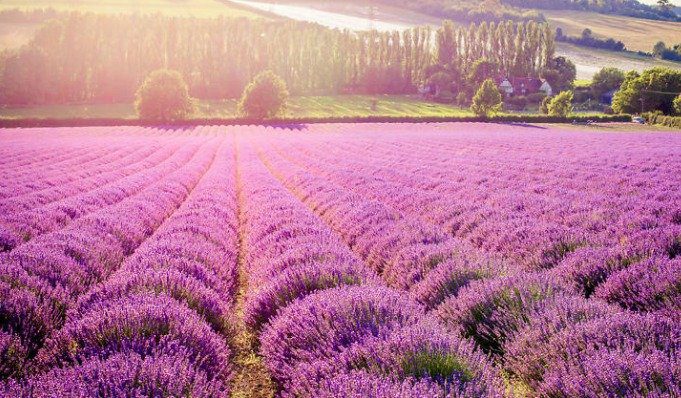
A lavender plant is made up of the Lavandula angustifolia species. The flowers are purple-blue in color and grow on tall stems that resemble spikes. They are beautiful to look at and smell amazing.
In fact, seeing a lavender field is one of life’s special moments. Just take a look at this picture below…
Lavender plants can be grown indoors or out, but they should be placed in an area where there is plenty of sunlight during the day to ensure optimal growth.
They are fairly easy to grow and care for, which is why they are so popular in home gardens. All you need to do is plant the seeds or purchase a plant and place it in an area where there is plenty of sunlight.
Conclusion
There are several misconceptions and rumors about what lavender is. We cleared up the confusion over whether or not lavender is an herb, shrub, or flower in this blog article.
In conclusion, we can say that lavender is a perennial herb that has woodier stems as it ages and grows into a shrub. Lavender can be used for its fragrance, medical purposes, and more.
I hope that this article was able to answer your questions. Thanks for reading! If you liked it, please be sure to check out the other articles on my site to learn more about your favorite plants.
Italian flowers are a beautiful and fragrant addition to any garden. They also happen to be some of the easiest flowers to grow in your garden. Whether you live in Italy or not, these twenty Italian flower varieties will make your garden look like it has been transported straight out of Tuscany!
20 Italian Flowers
I will now go through a list of the top twenty Italian flowers you can grow in your garden. They are in no particular order, so the first one is just as good as the last.
1. Giant Daisy Margherita Gigante
Another flower that you’ll see everywhere in Italy is the giant daisy! It’s a great choice if you want to add some white color to your landscape.
They are easy to grow and are native to the Mediterranean region. If you love daisies, then this is a great pick.
2. Oleanders
Oleanders are native to the Mediterranean region, where they grow abundantly on roadsides and in backyards. They require little care or attention but will flourish with proper sunlight and drainage.
It’s no wonder the oleander is one of Italy’s most popular flowering plants! The white & pink flower clusters bloom all summer long for a stunning display.
3. Bougainvillea
This flowering vine is a staple of Italian gardens due to its ability to flourish in many different types of soil and climates. In colder regions, bougainvillea can be grown as a perennial but will require some winter protection.
They have a beautiful pink/purple flower that can bloom multiple times per year. They are beautiful when planted along with a patio because their flowers attract hummingbirds and other pollinators like bees, butterflies, and moths!
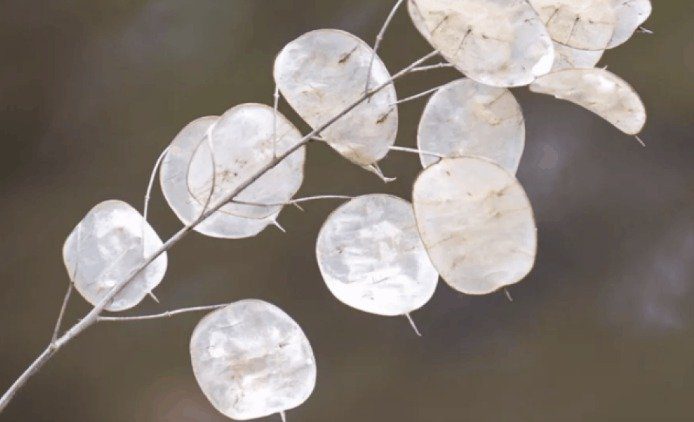
4.Lunaria O Moneta
Lunaria is a very unique plant that looks like none of the others on this list! As such, it really catches the eye of any garden.
They grow well when planted alone near walkways or at the front of flower beds. Lunaria does best with full sun exposure, making them great for gardens in Italy!
5. Bluebells
Bluebells are a popular flowering plant in Italy. They are blue in color and bell-shaped, which makes them a stunning addition to any garden.
Since they are an early-blooming flower, bluebells can be planted in either full or partial sun and will do well if grown alongside other spring flowers, like crocus and tulips.
As someone from England, I was amazed to hear that nearly 50% of the total bluebell population is in Britain!
6. Crocus
The crocus is a beautiful flower that blooms in early spring. They are native to Europe, Northern Africa, and Western Asia but can be grown all over the world.
Crocus is one of Italy’s most popular flowering plants because they require very little maintenance or care. A single crocus bulb will multiply every year until it creates an entire bed of flowers.
They are purple, white, or yellow, which means they are typically seen in flower arrangments and bouquets.
7. Cyclamen
Cyclamen are native to the Mediterranean region but can be grown all over the world. Their leaves are green and heart-shaped while their flowers are either pink or white with a dark purple center.
Since they prefer cooler climates (between 55°F – 60°F), cyclamen is another flower that does best when planted in late winter or early spring.
8. Periwinkles
Periwinkles are small flowers that bloom in late spring or early summer. They can be grown all over the world and will thrive with partial sun exposure on well-drained soil.
The periwinkle is an evergreen plant that has green foliage and flowers that come in a range of colors, including blue, white, and purple.
9. Alpine Pasque Flower
The alpine pasque flower is native to Europe. Its name comes from the fact that the flower blooms during springtime. It has white flowers with a yellow center.
These plants are very hardy, especially when planted in well-drained soil or rocky areas that get a lot of sunlight exposure. They will need some maintenance but are otherwise drought resistant and easy to care for.
10. Spring Gentians
This is the smallest member of the gentian family. Its tiny blue flowers are great for filling in space between larger, more dominant plants or can be used to edge a flower garden!
These come from Europe and Siberia but will grow all over the world. They do best when planted near rocks because they need very little water or care – just some sunshine exposure!
11. Aquilegia
This is one of the most popular flowering plants in Italy. They are native to Britain but found in many other places across Europe, especially Italy.
The aquilegia has an elegant spire-like shape with bright red/orange flowers that will last for multiple weeks at a time during summer! It does best when planted alongside other late-blooming flowers, like snapdragons.
12. Aster Alpinus
Aster alpinus is a small flower with purple petals and soft yellow centers. It can be found in the wild all over Europe, from France to Italy!
This plant looks great on patios, in rock gardens, or along walkways. It does best in full sun but can tolerate partial shade exposure when necessary!
13. Convolvulus
Convolvulus is a flowering plant that blooms in summer or fall. They are perennials that are native to the Mediterranean region but can be grown all over the world.
Since they prefer warmer climates, convolvulus does great when planted during the summer or fall seasons and can be found all over Italy! They come in a variety of colors, including pink, white, and purple.
14. Violets
Violets are one the most popular plants in the world! They are beautiful, fragrant, and usually purple (violet) in color.
The violet is a small flowering plant that comes in a variety of colors. They are typically purple, but can also come in shades of white and pink.
Violets are native to Europe and Siberia, but can be found all over the world. They are hardy plants, so can be grown at any time of year that suits you. They like shade, although can handle some sunlight.
15.Jasmine
Another popular type of flower from Italy is jasmine. It has a sweet smell and can be used to make scented oils or perfumes.
Jasmines are native to India but have been introduced all over the world, including Europe! They do best in warm climates with partial sun exposure.
They have a white and yellow color that looks clean and fresh. They really are beautiful flowers!
16.Cornflower
Cornflower is a beautiful flower that has a bright blue color and is native to the Mediterranean region.
Cornflowers are hardy plants that can tolerate drought conditions, making them great for gardens in Italy! They grow very quickly as well, so they only need infrequent maintenance.
They have large blooms with purple centers and fresh green leaves – definitely a great choice for flower gardens that transform up back to Italy.
17.Gazania
These flowers come in a wide array of colors, including reds and oranges. They are native to Africa but have become popular in Italy since they were introduced there!
They are also known as treasure flowers because of their vibrant flowers and leaf patterns. They can tolerate hot and dry conditions, which makes them perfect for summertime!
18.Geranium A Grandi Fiori
These flowers are native to Europe and Asia but are found all over the world. They can handle hot weather well, making them perfect for gardens in Italy.
They come in shades of pink, purple, white, reds – you name it! They have large blossoms that are sure to catch your eye as soon as you visit a garden with these flowers in it!
The geranium is a good choice for gardeners that want to add bright colors to their landscape. They are easy to find, too – just look at the nearest flower store and you’ll probably spot them there.
19.Cosmos bipinnate
Cosmos is a beautiful plant that grows pink or white flowers. The Mediterranean region is where they’re from, but they may be found in many other places around the globe.
They look great in rock gardens and flower beds, so try planting them along walkways if you want something low maintenance. Cosmos do best in full sun exposure, although they will tolerate partial shade when necessary.
The most popular color of cosmos is purple with a yellow center, but they also come in pink and white.
20.Dahlia Semplice
Dahlias are a very popular choice in Italy. They come in shades of red, pink, white, and more! It’s not uncommon to see all of the different colors planted together.
They do best when planted in the springtime. They are a great choice for flower beds because of their large, showy flowers!
Conclusion
There are so many beautiful flowers to choose from when you want to beautify your garden. But if you’re looking for something with a little more of an Italian flair, check out these 20 gorgeous plants that provide all sorts of different colors, scents, and textures as they bloom.
There’s something here for everyone from the novice gardener to the expert flower enthusiast. What do you think? Have we missed any important ones? Let me know!
If you’ve been looking for a way to grow tomatoes, this is the blog post for you! We all know that growing tomatoes at home is rewarding, but you’ll need to use the right equipment.
In this blog post, we will discuss the best size grow bag for tomatoes and how they can help. By the end, you will have all the information you need to choose your bag.
What Is the Best Size Grow Bag for Tomatoes?
The best size tomato grow bag is determined by the sort and variety of tomato you intend to grow. Below, I have outlined the best grow bag for each tomato variety:
5-7 gallon grow bags – Dwarf cherry, Elfin, Window Box Roma, or Patio F Hybrid
10 gallon grow bags – Determinate tomatoes
20 gallon grow bags – Indeterminate tomatoes
The above is what I’ve found is best for the varieties of tomatoes I’ve grown. You may have different experiences or opinions, so you can choose your own bag size based on what works for you!
What Grow Bags Do I Recommend?
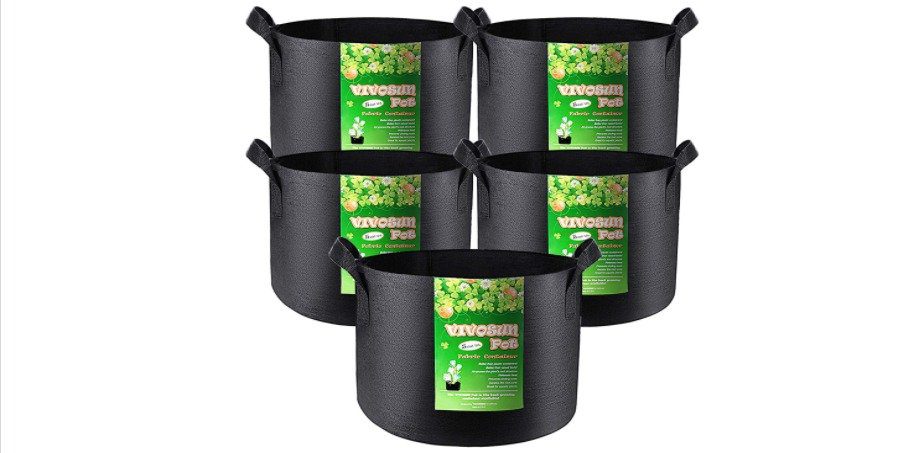
I prefer black bags because they don’t get stained and they’re affordable when bought in a pack. As you want to give your tomatoes enough space to grow optimally, I recommend this twelve-pack of 10 gallon grow bags.
They’re well made, and their popularity among customers has no doubt earned them a solid reputation. I use them for nearly all of my garden growing.
Why Is the Size of My Grow Bag Important?
Tomatoes need space to grow, especially when they are in their fruiting stage. They will be able to get all the nutrients and water that they require through these bags if you provide enough room for them to flourish.
The larger your bag is, the more room your tomatoes will have to grow. However, if you pick too big of a bag, then it may be difficult for the plant to support itself and maintain its stability as fruit is formed.
For example, I’ve found that determinate tomato varieties can easily handle themselves in 10-gallon bags. They are not very large plants, and they don’t need much height to support the weight of their fruit.
On the other hand, if you get a 20-gallon bag for your dwarf cherrytomato variety that is still in its vegetative stage, it may be too big and difficult for them to handle. I recommend getting smaller grow bags so that neither of you gets overwhelmed.
Is It Better to Grow Tomatoes in Pots or Grow Bags?
It is a personal preference whether you would prefer to grow your tomatoes in pots or bags. However, I recommend bags as they are far more cost-effective and practical for most people.
Here’s why I recommend using grow bags for growing tomatoes:
Easier to maintain – The most time-consuming part about growing tomatoes is having to water them every day in pots. With grow bags, you can simply lift off the lid and pour some water in without disturbing your plants too much.
Versatile – Grow bags can be used with nearly all types of plants, so they offer a lot more versatility than pots. You won’t have to find another option for growing other vegetables or flowers!
Reduces risk of disease – Pots are difficult to keep clean and free from diseases that affect tomato plants. If you use grow bags, then your tomatoes will be isolated from any diseases or bacteria that may reside in your pot.
Affordable – Grow bags are incredibly affordable and can be used for more than just growing tomatoes! Even if you get a large bag, it will still cost less than multiple pots of the same size.
Grow bags drain well – Tomato plants do not like their roots sitting in stagnant water and will quickly become sick if that is the case. Grow bags allow for easy drainage of excess water, so your tomatoes stay healthy all year long!
Disadvantages of Growing Tomatoes in Grow Bags
While grow bags are great for tomatoes, there are some disadvantages to them.
The first is that although the bag will serve its purpose of providing nutrients and water, it can be hard to know how much water and nutrients the plant needs. The size of your bag will determine how much water and food it can uptake, but if you give too little or too much then this could damage its health.
Finally, you will need a lot of soil to fill the bag, so this can get pricey if you are on a budget or have limited space.
These disadvantages should not discourage you from growing tomatoes in grow bags though! They are still an excellent way to cultivate your fruit supply and ensure that they have everything they need.
Tips for Growing Tomatoes in Grow Bags
Sunlight – You will need to make sure that your tomatoes are in a well-lit area. If you’re growing them indoors, then it’s best if they have access to windowsills or other areas where there is much sunlight.
Water – As mentioned above, the size of your bag determines how much water and nutrients your plants can uptake. However, this does not mean you can give your tomatoes too much water, as that will damage them – just the opposite of giving it too little.
Plant deeply – It’s best to plant your seedlings so that they grow in the middle of each bag. This will ensure maximum stability for them as fruit is formed, and it means you won’t have any plants being smothered by other ones above them.
Add calcium – If you’re using fertilizer, then it’s best to add some calcium into the mix. This is because tomatoes can be susceptible to blossom end rot (BER). To help prevent this condition from forming on your fruit, make sure that they get enough calcium in their system. I like to cover the soil with crushed eggshells.
Use potassium – Potassium is another important nutrient for your tomatoes, and it can be harder to get in their system when they’re grown indoors. Make sure that you surround the plant with some wood ash or add potassium into your fertilizer mixture if needed!
Grow companion plants – Tomatoes love to be surrounded by basil and other plants that will help ward off pests. This is because they give out a scent that helps keep away some types of bugs, such as aphids!
Tomato Grow Bag Growing FAQ
Tomato growing isn’t the easiest job. As such, there are a lot of questions people often ask.
Is a 5 gallon grow bag big enough for tomatoes?
It depends on the type of tomato plant. If you are growing cherry tomatoes, then a 5-gallon grow bag will probably be enough to cover your needs throughout the season. However, I generally recommend 10-gallon grow bags for tomato growing.
Are grow bags deep enough for tomatoes?
Yes, grow bags are deep enough to accommodate your tomatoes throughout the season. This makes them a great option for growing plants, even if you have limited space.
Can I reuse my grow bag when growing tomatoes?
Yes! Grow bags are designed to last many years of planting and harvesting, so feel free to use your same bag year after year – just be sure that there aren’t any holes or tears in it first!
How do I water my tomatoes in a grow bag?
Tomatoes need about an inch of water every week, and this will come straight from rainfall or watering it yourself with a regular garden hose. If you use drip irrigation then just set it up as usual and let the emitter do its job.
Is a 10 gallon grow bag big enough for tomatoes?
Yes, this is usually the perfect size for a tomato plant. It is big enough to provide your plants with enough water and nutrients, but not so big that it will be difficult for you to take care of.
Is a 3 gallon grow bag big enough for tomatoes?
No, I would only recommend that you use a grow bag for tomatoes if it has at least a capacity of 5 gallons. This is because smaller bags don’t give plants as much room to grow, which can lead to problems down the road.
Conclusion
In conclusion, grow bags are a fantastic and affordable way to grow your own tomatoes. They provide nutrients, water, and drainage while keeping the fruit off of the ground so it can get enough sunlight on every side.
If you follow these tips for growing tomatoes in grow bags, then you will be well-equipped to keep your plants healthy all year through. I hope you have a great harvest!