Money plants are a type of houseplant that people often keep in their homes or offices. They vary in color and size, but they all have one thing in common: they bring good luck! In this blog post, we will discuss the different types of money plants and how each can potentially bring you wealth.
Different Types of Money Plants
I will now describe the different types of money plants. They are in no special order, but I start with the plants I like the most.
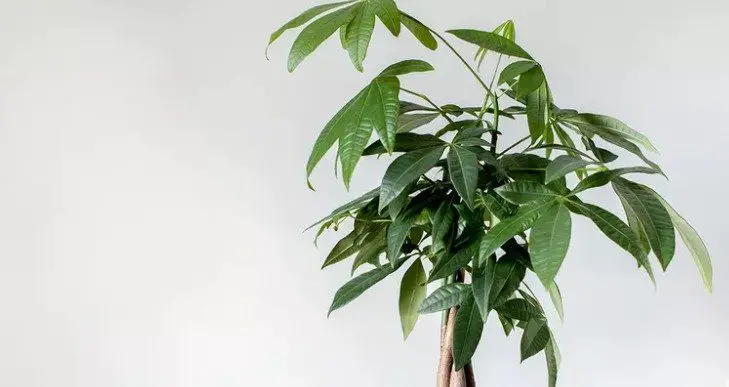
1. Money tree (Pachira aquatica)
The money tree is very popular, especially with offices. Also known as a mala chestnut plant, it is usually around four feet tall and can sometimes grow bigger than that if it gets enough sunlight.
Their slender trunks often have some of the stems braided together and they’re perfect as an indoor plant because it needs little water or sunlight to thrive.
The money tree is naturally found in both Mexico and northern South America, where they are seen to grow over 50 feet in height!
Money plants like warm temperatures, so it is important to keep them away from cold drafts. They also like indirect sunlight and moist soil, so be sure to water them regularly.
2. ZZ Plant (Zamioculcas zamiifolia)
The ZZ plant (Zamioculcas zamiifolia) is a very popular houseplant that is sometimes even known as the “eternity plant.” This name is fitting because it can live for many years without being watered.
The leaves are thick and shiny, with a dark green color that contrasts nicely with other plants or decor in your office space.
This ancient plant has been used for centuries by the people of Africa. It thrives outdoors and can survive periods without rain, making it an ideal candidate in a drought-prone climate.
The ZZ plant can purify the air of your home and remove toxins, making it a great addition to any space. In fact, in one study done by NASA researchers, they found that this unique plant is great for removing copious amounts of these harmful substances from our surroundings!
3.Pothos (Epipremnum Aureum)
The pothos plant is another popular choice for office decoration. This plant has a long, trailing stem that can reach up to six feet in length and hang down from large pots or baskets.
The pothos plant is a great houseplant for those who want an easy-to-care houseplant with low maintenance requirements. In fact, these plants do not even need much sunlight to grow.
The pothos plant is native to the tropical regions of Southeast Asia, so it thrives in humid conditions. As long as they are given enough water and warmth, these houseplants will thrive indoors.
There are many different types of pothos, so feel free to explore different varieties that suit your space and needs. I love variegate leaves, so the marble pothos is my favorite.
4.Jade Plant (Crassula ovata)
The jade plant is a very common choice for office decoration in the United States, especially because it is one of the most long-lived houseplants.
The jade plant has thick leaves that are shaped like disks and have red tips when they’re young! These leaves vary in color and size, depending on the variety.
This plant is native to South Africa but it’s also popular in Asia and Australia because of its water-saving abilities. As a succulent, the jade plant can survive for weeks without being watered, making it a perfect choice if you’re forgetful about watering your plants.
They are often given as housewarming gifts to new homeowners because they are small and so easy to care for. If you’re looking for a plant that is low maintenance, the jade plant is an excellent choice!
5.Chinese money plant (Pilea peperomioides)
The pilea peperomioides is a unique houseplant that gets its name from the shape of its leaves.
This small indoor plant can grow to be around four inches tall and eight inches wide, making it perfect for desks or countertops. It’s also one of the easiest houseplants to look after.
The leaves of the Chinese money plant vary in color and size, depending on where it is grown and what conditions it has been exposed to.
They are usually dark green, but if they receive too much light or not enough water their leaves can become brown.
These plants like indirect sunlight and moist soil with good drainage, so always use a pot with holes in the bottom for proper drainage! This particular houseplant also likes temperatures around 70°F (20°C) during the day and no colder than 55°F (13°C) at night.
6.Lucky Bamboo (Dracaena sanderiana)
The lucky bamboo plant is an extremely popular houseplant and perennial gift for those born in the year of the dragon.
This small, leafy green variety of bamboo can grow to be around three feet tall if it’s given enough time and care!
The bamboo part of the plant is not bamboo – sorry! In fact, the lucky bamboo plant actually belongs to the Dracaena family. However, this still makes for a unique plant that is incredibly easy to care for.
Dracaenas are native to tropical regions of Africa and Asia, so they thrive in humid conditions with indirect sunlight.
7.Lunaria
The moonlight plant (lunarea) is also known as money in a pocket, silver dollars, and silver leaf. Just take a look at how unique this plant is!
Here’s a cool fact – Lunaria is actually part of the Brassicaceae family, making them related to foods like broccoli and Brussels sprouts.
The lunaria is native to Europe and Western Asia, where it can be found in Mediterranean forests. The leaves of this plant are a silver color with a delicate leaf texture that is extremely hard to find in other plants.
8.Pennywort (Hydrocotyle vulgaris)
The pennywort is a very unique plant that gets its name from the shape of its leaves. This houseplant has round, flat leaves on long stems which helps it to stand upright or grow along surfaces, like rocks and walls.
This small indoor herb grows in water instead of soil, making it one of the easiest plants to care for because you don’t need to worry about potting it or changing out the soil.
The pennywort is native to Asia and some parts of Europe. It likes wet, humid environments where there’s lots of indirect sunlight. The leaves can grow up to six inches across so they make a big statement as an indoor plant!
Where to Place Money Plants for Good Luck?
There are many different theories about where to place money plants – and most of them center around bringing good luck into your home.
Money plants help attract financial success, which is why they’re often given as housewarming gifts! If you want to bring more prosperity into your life, put a potted jade plant in the south corner of your home. Another popular placement is in the southeast or east corners of your house for a better business outlook and more opportunities to prosper.
If you’re looking for love, put a money plant by your front door so that it can attract new relationships into your life! You could also keep one near an entryway inside your home if you want to welcome more love into your life.
Conclusion
In conclusion, there are many different types of money plants that can help attract financial success and love into your life.
The money plants in this blog post are all great options if you want to bring more prosperity into your life, but they’re also very unique and beautiful indoor plants!
My favorite money plant is the money tree because it is so unique and graceful. The pothos always deserves another mention because it is so easy to care for and are a great tropical houseplant.
Finally, the lunaria is such an interesting plant to keep in your home because there are not many other plants that share its unique leaf shape!
As the winter season approaches, we often find ourselves wondering how to take care of our money tree. The winter is a time when many plants will go dormant and stop growing for the year.
This article provides an overview of what you need to do in order to protect your plant from frost damage and keep it healthy until next spring.
We’ll discuss how much water it needs, what temperatures are ideal, and other helpful tips that will ensure your money tree’s survival!
How Do You Take Care of a Money Tree in the Winter?
The best way to take care of a money tree in winter is by protecting it from cold temperatures, providing enough sunlight, and adjusting how much water you give to the plant.
This means keeping your money tree inside, where it will be warmer. However, keep it away from places in your home that have cold drafts, the windows.
Additionally, don’t repot your money tree in the winter months because they dislike being disturbed at this time of year (they are usually more stressed in the winter).
I’ll go through the most important things to remember about caring for a money tree during the winter. Nothing can go wrong with your plant if you follow these procedures…
Watering Money Tree in Winter
Your money tree won’t need as much water in winter. As such, I recommend only watering when the top two-thirds of the soil has gone dry. This will typically be every 2-3 weeks during the winter.
As always, only use room temperature water that has been filtered. Don’t make the mistake of trying to make your money tree warmer by adding hot water, as this will only shock your plant.
Money Tree Light Requirements in Winter
When it comes to light requirements in winter, your money tree will appreciate getting at least 4 hours of bright indirect sunlight. This means placing the plant in a space where it gets plenty of natural daylight without being exposed to any direct sun.
If you aren’t able to provide this kind of lighting during the winter months, I recommend using grow lights that emit both red and blue light. This will simulate the sunlight that your plant would get during spring, summer, and fall. Here is my favorite grow lights for money trees.
Money Tree Humidity Requirements in Winter
The humidity levels in winter should be around 50%. This can vary depending on where you live, so it’s important to keep an eye out for any signs of dryness or drooping. If your plant begins to look dehydrated, then use a humidifier that emits cool mist.
Where To Keep Money Tree Inside During Winter?
The best place to keep your money tree inside during winter is in a room where temperatures are between 50-65°F. If you have a room in your house that meets these temperatures, then this is the best place to keep your plant.
Make sure the room doesn’t receive any cold drafts or dry heat. This is important because drafts can cause brown spots on the leaves and dry heat can dehydrate your plant.
Money Tree Winter Care FAQ
Caring for money trees in winter is a complicated subject. As such, I shall now answer some of the most frequently asked questions.
Can money trees survive winter?
Yes, money trees can survive winter if given the correct care and environment. It’s important that you keep it warm and only give a small amount of water. You may also have to use grow lights if you do not have enough sunlight.
Should I fertilize my money tree in the winter?
No, there is no need to give your money tree any fertilizers during the winter. If you want to, you can give it some slow-release fertilizer when spring comes around.
Do money trees grow new leaves in winter?
Money trees will rarely grow new leaves in a cold environment. So, it depends on how warm you keep your house and whether you use artificial grow lights or not.
What temperature is too cold for a money tree?
Any temperature below 50°F will be too cold for a money tree. It will likely die if the temperature falls lower than 40°F in your house, so you need to ensure that it doesn’t get anywhere near these temperatures.
When should I bring my money tree inside?
Bring your money tree inside before the first frost of the winter. Even better, don’t let it stay outside if the temperature drops below 50°F for prolonged periods of time. This will ensure that your plant doesn’t get damaged.
Should I move my money tree away from the heater in winter?
Yes, the dry heat can dehydrate your money tree. It’s best to keep it away from a heater or other heating device during winter. This is a common reason for brown leaves on your money tree due to stress.
Conclusion
In conclusion, caring for your money tree in winter is not difficult. All you need to do is water it less often, keep it away from heating, fertilize it sparingly until spring comes around again, and do other easy-to-follow steps.
As the winter season approaches, we often find ourselves wondering how to take care of our money tree. The winter is a time when many plants will go dormant and stop growing for the year.
If you follow this guide step-by-step, I’m sure that your plant will survive the cold season with ease. I hope this helps and happy gardening!
Geraniums are beautiful plants, so many people want to know how to care for them. Unfortunately, it is not as simple as watering the plants and forgetting about them!
Geraniums need lots of attention or they can quickly turn brown and die. This article provides a comprehensive guide on how to water geraniums properly in order to maintain their vibrant color.
How Often Should I Water Geraniums?
It’s best to water geraniums when the top inch of soil is dry. This will ensure that the plant is getting enough water to survive, but it’s also not so much that the roots rot.
It’s hard to give an exact frequency as there are many factors at play. For example, different species of geraniums require different amounts of water. It’s also important to note that watering frequency can change depending on the season (more in summer, less in winter).
Also, indoor geraniums will usually require more frequent waterings as they aren’t receiving any rainwater. However, the opposite is true during heatwaves in the summer, where outside geraniums will need to be watered daily.
You can test the soil by sticking your finger in the dirt. If it is dry and crumbly, give the plant a good drink of water. If the soil feels wet and slimy, wait until tomorrow to water it.
How Much Water Should I Give My Geraniums?
Give your geraniums enough water to fully saturate the soil. This will ensure that the roots are able to stay hydrated. If you don’t give them enough water, they can quickly dry out and die. Since geraniums are made up of mostly water, they need plenty of it in order to survive.
What Type of Water Should I Give My Geraniums?
Filtered or tap water is usually fine, but if your water has a high level of chlorine you should let it sit overnight so the chlorine dissipates. If you don’t have filtered or bottled water available, rainwater can also be used for geraniums.
Can I Give Tap Water to My Geraniums?
No, I don’t recommend using tap water. Tap water contains chemicals that are harmful to plants. If you do want to use tap water, let it sit overnight so the chemicals have time to dissipate.
Can I Use Cold Water on My Geraniums?
No, geraniums should never be watered with cold water. However, it depends on how cold the water is. Slightly chilly water should be fine, but water from the tap during winter will shock the plant and can cause them to die or turn yellow. Always use room-temperature water that won’t cause any damage to the plant.
Do I Need to Water My Geraniums in the Winter?
In general, you don’t need to water your geraniums during the winter months if they are healthy. The plant will go into a dormant state where it requires less water, so refrain from giving them any unless their soil is completely dry.
How Do I Know If My Geraniums Need Water?
The best way to know if your geranium needs water is by testing the soil with your finger. It should be moist, but never soggy or wet. Too much water can cause root rot and kill the plant.
Can I Use Distilled Water on My Geraniums?
Yes, you can use distilled water on your geraniums. It won’t damage the plant and is better than using no water at all. However, it’s also not as effective as filtered water because of its lack of minerals.
What Happens if I Overwater My Geraniums?
Overwatering is one of the main reasons why geraniums die. If you overwater them, they can become root-bound and their roots will rot away. This leads to wilting leaves that turn brown or black, as well as mold on their soil surface.
While this sounds like a cosmetic issue, brown leaves and root rot can result in your plant never recovering. This is why it’s so important to only give your geraniums water when they really need it (when the soil is dry).
Signs That Geraniums Are Overwatered
Wilting
Moldy soil
Rotten roots
Excess water
Discolored leaves
What Happens if I Underwater My Geraniums?
Underwatering is another common reason why geraniums die. If you don’t give them enough water, their roots will dry out and they won’t be able to get the nutrients they need from the soil. This causes the leaves to start to wrinkle, along with a decrease in flowering and blooming abilities.
Signs That Geraniums Are Underwatered
Crispy leaves
Leaf drop
Discolored leaves
Conclusion
In conclusion, geraniums need plenty of water to stay healthy. They are made up mostly of water, so they require a lot in order to survive. However, too much can kill them just as easily as not enough.
Be sure that you always test the soil with your finger before giving geraniums any type of water because it’s important for their survival. You should also never use cold water or tap water on your geraniums.
I hope this post was helpful and answered your questions about how to water geraniums!
Geraniums are one of the most popular flowers in the world. They come in a wide range of colors and sizes, they’re easy to grow, and they have a strong fragrance that is pleasing to many people. If you’ve ever wondered whether or not geraniums change color with age, then this blog post will be perfect for your needs!
Do Geraniums Change Color?
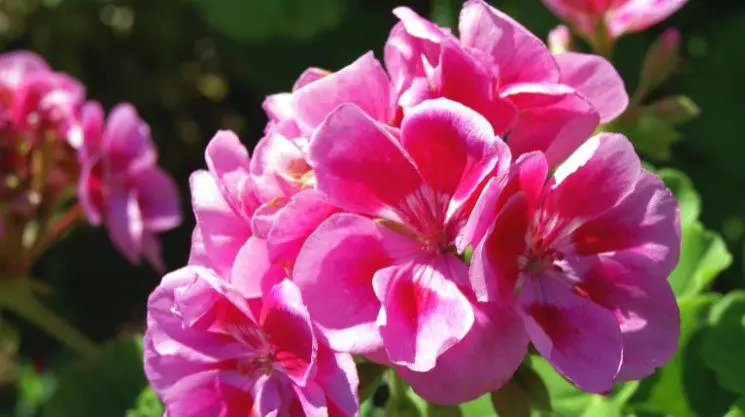
Yes! Geraniums change color when their environment changes. The most common color change is white to pink. This is because geraniums naturally grow in more of an acidic environment. If you change the pH level by adding fertilizer, their color will become pink.
Should You Be Concerned About Geraniums Changing Color?
Nope! There’s no need to worry if your geraniums change color. It’s not a sign of disease or harmful conditions.
However, if you are concerned about how your garden looks, consider keeping the soil slightly acidic to stop the flowers from changing color. You can do this by adding calcium sulfate, decomposed compost, or peat moss to the soil.
I recommend using a pH testing kit to be certain that your geraniums are growing in the most optimal environment.
Why Are My White Geraniums Turning Pink?
White geraniums turn pink if the soil pH is higher than what the plant usually likes. This can be caused by too much organic matter in the soil or compost. If this happens, water with rainwater only and avoid fertilizers that contain nitrogen; they make the problem worse.
Conclusion
In conclusion, geraniums change color when their environment changes. For example, if you add fertilizer to the soil, it will become pink because it is an indicator of higher pH levels than what geraniums usually prefer.
If your white flower turns pink or any other color, don’t worry! It’s not a sign that anything bad has happened and there are many things that you can do to stop it from changing color. I recommend using a pH testing kit and applying peat moss to keep the soil slightly acidic.
So, what is your favorite color geranium? Do you prefer it when white geraniums turn pink? Please do let me know! If you liked this article, feel free to check out my blog for more helpful gardening tips.
Geraniums are a lovely addition to any garden. But when left unattended, they can become wilted and unhappy. In this blog post, we’ll cover the top reasons why your geranium may be wilting and how you can remedy it!
Why Is My Geranium Wilting?
Many geranium plants wilt as a result of a lack of water. However, other common causes of wilting include exposure to high temperatures, stress, disease, and pests.
The best way to stop geranium wilting is by tackling the root cause of the issue. As this cause is usually a lack of water, you can revive your geranium by thoroughly watering it.
Keep adding water until the soil is fully saturated. It may take a few minutes for the water to be absorbed into the soil, so don’t stop until you’ve seen enough absorption!
I recommend using filtered water that has no chemicals or chlorine added. This will make your geranium happier and healthier, which is a win for everyone!
Keep your geranium out of the direct sun while it’s recovering from wilting, alongside making sure that it has access to consistent watering after this period.
After you’ve watered the plant to saturation, monitor its health over the next few days. If it continues to wilt even after ample water has been provided, that’s an indicator that something else may be going on with your geranium.
Other Causes of Geranium Wilting
I will now talk through the other potential causes of geranium wilting…
High temperatures
If you have been exposing your flowers to high temperatures, they may be wilted from stress. In this case, the best way to revive them is by gradually moving them into a cooler environment and giving them access to water on a regular basis.
This happens a lot during summer heatwaves, as the heat can be too much for your geranium to handle. You can protect them from the sun by placing them in a shadier spot, or by covering their heads with shade cloth.
Stress (repotting)
Another common cause of wilting in geraniums is repotting. If you have recently re-potted your flowers, it may take them a few days to recover from this stressful event. To revive your geranium after root disturbance, be careful not to stress the plant any further, such as by overwatering.
Disease
Geraniums can quickly become infected with diseases, such as root rot or botrytis grey mold. If you notice your flowers wilting and developing discolored leaves, it may be due to disease.
To prevent further issues, ensure that you properly clean up the area after removing diseased plants. You can also use neem oil to treat the plant and prevent any future infection.
Pests
If your geranium is wilting and you notice small holes in the leaves, it may be under attack by pests.
The most common pest that attacks geraniums is aphids. To prevent further issues with these insects, apply neem oil to the plant on a regular basis. This neem oil will kill off any aphids that may be attacking your geranium while also preventing more from infesting the plant.
Geranium Wilting FAQ
Geranium plants aren’t the easiest of plants to care for. As such, I will now answer some frequently asked questions about geranium wilting.
Is wilting dangerous for my geranium?
Yes, if your geranium wilts, it is likely that there are underlying issues. Failure to address these issues will lead to the death of your geranium.
Will moving my geranium into the shade stop wilting?
Maybe. If your geranium is wilting because of high temperatures, moving into the shade may help. However, this will not fix any other underlying issues that are causing your geranium to wilt.
Can I revive a wilted geranium?
Yes, it is possible to revive a wilted geranium. You should start by figuring out what is causing the wilting. Once you have addressed this, your plant should recover within a few weeks.
How much water should I give my geranium if it is wilted?
You will need to thoroughly soak the soil until there are no dry patches remaining (similar to when planting out new plants). You may need to do several deep waterings until the geranium recovers.
Can I use a hose to water my wilted geranium?
Yes, you can. You should set your pressure as low as possible and ensure that you are not damaging or dislodging any of the plant’s roots in the process!
How can I stop my geraniumfrom wilting in the summer heat?
It is important to ensure that you give your geranium lots of shade and water throughout the summer. You should also avoid overfeeding it, as this can cause root burn (which will inevitably lead to wilting).
How can I prevent my geranium from wilting in the winter months?
Your geranium will not need as much water in the winter months. You should make sure that you are only watering when the soil is dry to avoid root rot (which can lead to wilting).
Conclusion
In conclusion, there are several different causes of geranium wilting, with underwatering being the most common cause. However, if your plants are exposed to high temperatures, repotting, or disease, they will definitely wilt.
If there is one thing to say before I go, it would be that if your flowers are wilting, you should look into why. The underlying cause of this issue could be the difference between life and death for your geranium!
I hope that you have now learned why your geranium is wilting. If you have any further questions, please don’t hesitate to contact me.