by Gardener Tim | Oct 25, 2021 | Plant Care
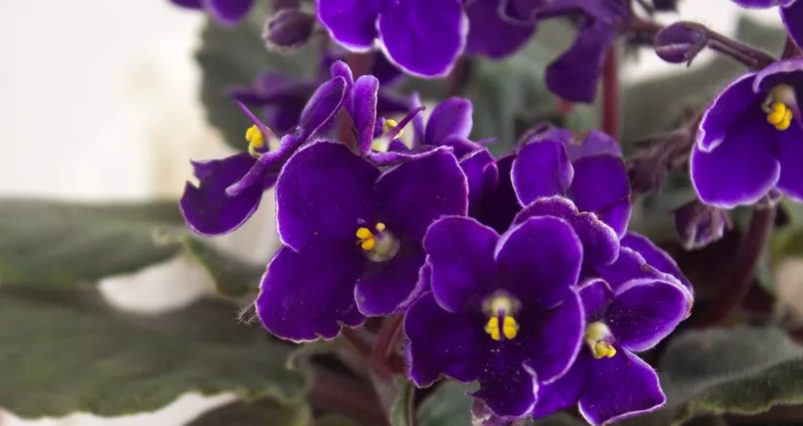
African violets are beautiful plants that can add a lot of color to your home. Unfortunately, they also come with some problems! One of the most common issues is holes in the leaves or flowers. This blog post will teach you how to fix these problems so your African violet can thrive!
Why Are There Holes in My African Violet?
Your African violet has holes because it is being attacked by aphids or mealybugs. Aphids are small, green insects that suck the sap from plants and leave behind a sticky substance as they feed. Mealybugs look like little pieces of cotton stuck to your leaves!
While these are the most common pests, there are actually many pests that are known to eat the leaves on African violet plants. They enjoy doing this because African violets are high in sap, which is an important source of nutrients for these little pests!
You may not have seen these pests before as they enjoy coming out during the nighttime when we’re asleep! This means that you can have an infestation without even knowing it.
How to Prevent Holes in African Violet Leaves?
There are a few ways to prevent these insects from attacking your African violet. The first way is to make sure you don’t overwater your plant! Aphids like all the water, so if they get too much of it then they will leave and look for another host plant.
Another important step in preventing holes on your African violets is by getting rid of the pests that are already there. This can be done through an organic or chemical method, depending on your preference and what you’re comfortable with!
My favorite way to remove pests from plants is with neem oil (Amazon link), which is a natural insecticide that once applied will kill aphids and mealybugs on contact! You can also opt for a more traditional route with chemical pesticides, but make sure to follow all instructions carefully.
FAQ
Finding holes in an African violet can be an alarming thing to see. As such, I will now answer some questions that you might have about these pests and what they mean for your African violet.
Will the holes in my African violet kill my plant?
No, the holes will not kill your plant. They will only cause the leaves to die prematurely, which can impact how lush and full it looks! Additionally, these holes could also lead to diseases if they aren’t dealt with soon enough.
Can I cut off my African violet leaves with holes?
Yes, you can cut off the leaves that have holes. However, you should never remove more than a third of your plant at any given time as it could stress out the plant too much!
How do I get rid of aphids on my African violet?
You can use neem oil to kill aphids and prevent them from coming back! You can also use a commercial pesticide if you prefer, but make sure to follow all label instructions.
What if I see ants near my African violet?
Ants are a sign that you have aphids or mealybugs. They will bring them to your plant and enjoy feeding on the sap, so it’s important to get rid of them!
Will neem oil kill my other plants?
No, neem oil will not affect your other plants. It’s actually used as a safe way to kill many different types of insects on various crops!
How do I prevent insects in general?
You can use neem oil to prevent insects from eating your African violet. It can also be used on other crops, so this is an effective way to keep all of your plants pest-free!
Will the holes in my African violet close up again?
No, the holes in your African violet will not close up. You can remove the affected leaves to help encourage new growth, but this won’t repair any of the damage done by these insects!
Conclusion
In conclusion, it’s important to keep your African violet leaves free of holes! You can do this by making sure you don’t overwater it and using neem oil or other natural solutions. These are the best way to prevent any damage done to your plant!
I hope that this blog post answered your question on why there are holes in African violets! If you have any more questions, please feel free to reach out to me.
by Gardener Tim | Oct 25, 2021 | Plant Care
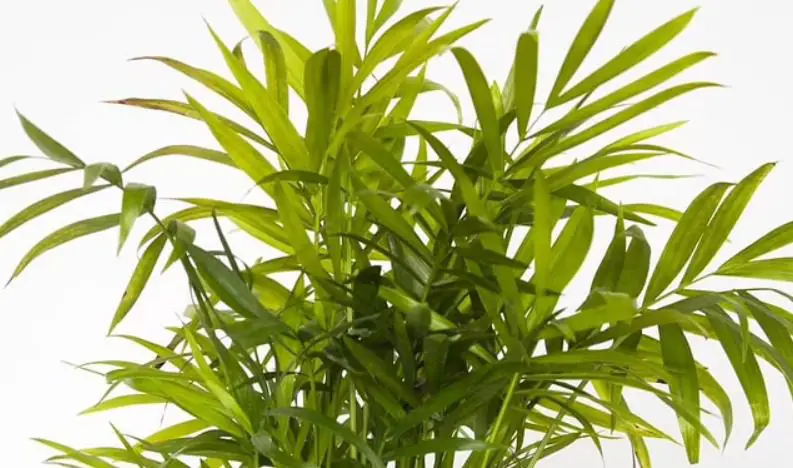
If you have a parlor palm in your home, you may notice that it is turning yellow. This can be alarming at first because the plant appears to be dying! However, there are some things we can do to help save our plants and keep them green and healthy.
Read on for more information about why your parlor palm might be turning yellow and what we can do about it!
Why Is My Parlor Palm Turning Yellow?
Your parlor palm is turning yellow because of too much water, not enough light, or environmental stress.
Let’s now take a deeper look at the most prevalent causes of yellowing leaves on a palm, as well as what you can do about it.
Yellowing Parlor Palm from Overwatering
Palms do best when they are watered thoroughly once or twice per week and allowed to dry out between each watering. If your plant looks yellow, then it is likely that it has been over-watered.
To save your palm, you should stop watering so frequently and allow the soil to dry out completely before adding more water.
While giving water once a week is a good guideline, you may want to be more accurate by only watering when the top few inches of soil is dry. You can test this by sticking your finger into the soil. If it feels moist, then you do not need to add water.
You may also need to repot the plant in a larger container with better drainage so excess moisture can flow freely through the potting media without encouraging root rot.
If root rot had already occurred, then it’s important to act immediately by removing all of the soil and pruning any affected roots. All black, mushy roots should be pruned and discarded away from all plants.
The next step would be to place the palm into a container filled with new potting media that does not retain too much moisture. This can be achieved by using a cactus mix or adding some perlite to your standard potting soil.
The type of water matters too… I recommend only using filtered water because tap water contains minerals and chemicals that can be harmful to your palm.
Yellowing Parlor Palm from Too Little Sunlight
Palms require bright, indirect sunlight to stay healthy and green. If your palm is growing in a dark corner of the room or near an un-shaded window, it might turn yellow as a result because there’s not enough light for photosynthesis to occur.
To save your parlor palm from turning yellow, you should move it into a bright room where it can receive at least four hours of indirect sunlight each day.
If the plant already appears to be struggling with a lack of light, then you might want to consider moving it outside in the spring and summer months when there is more daylight.
You could also invest in a grow light to keep your parlor palm healthy during the winter months when it’s too dark to provide enough light for photosynthesis. I do this for nearly all of my plants in the winter.
Yellowing Parlor Palm from Environmental Stress
Parlor palms are very sensitive plants that can easily be killed if exposed to cold drafts, hot temperatures, or extreme fluctuations in humidity. This is why you should always ensure there is no direct airflow near your parlor palm, as well as keep it away from heating or cooling vents.
Also, try to avoid placing the plant on top of a hot TV because this can cause the leaves to burn and turn yellow due to excess heat exposure. You should also keep it out of drafty areas because this could cause cold damage that is irreversible.
If you live in a dry climate, then I’d recommend taking the plant outside for a few hours each day to give it some fresh air and humidity from the atmosphere. This might also reduce yellowing caused by environmental stress too!
Repotting too often is also another stress that can cause yellowing and leaf loss. I recommend only repotting when absolutely necessary, and when it is time, use quality potting media to lessen the stress as much as possible.
Yellowing Parlor Palm Leaves FAQ
Palms require unique care to thrive. As such, I will now answer some frequent questions about parlor palms that may be preventing you from taking good care of your plant.
Should I cut yellow leaves off my parlor palm?
Yes, it is a good idea to remove any yellow leaves. If you do not, the rest of your plant may start to look sickly!
Will the yellow leaves spread to other plants?
Only if the cause of yellowing is a fungal infection that can spread to other plants. You can tackle this issue by using neem oil on all affected plants.
Does the type of water matter?
Yes, tap water can cause problems with your parlor palm. This is because it contains chlorine, which may burn the leaves of your plant! Try watering it with rainwater or filtered water in order to keep this from happening.
Will too little light cause my parlor palm to turn yellow?
Yes, if your parlor palm is not getting enough light, it may start turning yellow and looking unhealthy. Make sure to place the plant in an area with bright but indirect sunlight for at least six hours a day.
Will too much water cause my parlor palm to turn yellow?
Yes, this can definitely happen if your parlor palm is getting too much water. Try to avoid over-watering, and instead of watering it frequently, do so once a week or every other week.
Will yellow parlor palm leaves turn green again?
No, but you can still help your plant stay healthy! Try these tips to keep it green and thriving.
Conclusion
In conclusion, make sure your parlor palm is getting enough light, has plenty of airflows, and avoids over-watering! If you follow these tips closely, then I can guarantee that your plant will be back to looking healthy again in no time.
I hope you found this blog post helpful. If you have any questions, feel free to leave a comment below and I will answer it as soon as possible!
by Gardener Tim | Oct 25, 2021 | Plant Care
It is common for people to be concerned when their parlor palm starts turning brown. When this happens, it can be worrying because of the possibility that the plant is dying.
However, there are a number of reasons why your parlor palm could turn brown and most of them are simply due to improper care.
In this blog post, we will explore some of these reasons so you can take better care of your plants!
Why Is My Parlor Palm Turning Brown?
Because of over-watering or leaf burning, your parlor palm has turned brown. The brown leaves from overwatering are moist, whereas burnt leaves are dry and crispy.
It’s vital to figure out what caused the leaves to discolor. I’ll go through these two reasons in-depth, as well as what you can do to prevent it from happening again.
Browning Parlor Palm Leaves from Too Much Water
If you notice that the leaves on your parlor palm are turning brown, this usually means it is overwatered. This causes parts of the leaf to turn black and die off.
When your plant is in a pot, it can be hard to tell how much water you are giving the parlor palm. It might look like the soil is dry, when it is actually moist under the surface of the soil.
To prevent this from happening to your plants, make sure that you are only watering them when the soil is completely dry. You can test this by sticking your finger in the soil.
If it feels dry, then you can water them with a small amount of filtered water that is room temperature. Alternatively, you can use a moisture meter to test the level of moisture in your soil.
Brown palm leaves are often linked to root rot, so be sure to check your plant as failure to treat root rot can result in the death of your parlor palm.
You can treat parlor palm root rot by removing all of the affected soil and replacing it with a new potting mix. Be sure to prune any of the rotten roots and discard them away from all plants in your home (to avoid fungal infections).
The type of water you give parlor palm plants matters too… I recommend only watering with filtered water that is room temperature. If you don’t have a water filtration system, then you can use distilled water or water that has been left out overnight.
Browning Parlor Palm Leaves from Leaf Burn
If your parlor palm leaves are turning brown, it could also be due to leaf burn. This usually happens if the plant has been directly exposed to a heat source for too long.
The symptoms of leaf burn include dry and crispy leaves that look burnt on top. However, the underside of the leaf will still be green.
This type of burn is common in plants that are kept indoors by a window or near an artificial light source, such as LED bulbs.
This happens because the sun emits different types of rays during different times of day, which can cause uneven exposure to your plant’s leaves.
So how do you prevent your parlor palm from burning?
It’s important to ensure that the plant is placed in an area where it will not receive any direct sunlight for more than a few hours. If this means turning off artificial lights, then do so! You can also use blinds or curtains to block out excess light if necessary.
If you do suspect that your parlor palm is burnt, there are some steps you can take. The first step would be to cut off the dead leaves using sharp garden shears for best results.
I would then recommend using natural sunscreen for plants to protect your plant from future damage.
Browning Parlor Palm Leaves FAQs
This palm isn’t the easiest plant to care for. As such, I will now answer some common questions I get asked about the leaves of this beautiful palm.
Will brown parlor palm leaves turn green again?
No, it is unlikely the leaves will ever be green again. The good news is that the plant will grow new green leaves if you take care of it.
Should I remove brown leaves from my parlor palm?
Yes, you should always remove brown leaves from your parlor palm. This allows the plant to focus on growing new leaves. Besides, it looks better when the plant is full and green.
Will too much water cause the parlor palm to turn brown?
Yes, it is possible for your parlor palm to turn brown from too much water. This will cause the leaves of the plant to become discolored and moist.
Why are my parlor palm leaves wet?
This is likely due to guttation, which is the natural process plants use to release water. If your leaves are wet, there isn’t any need to worry as it’s a normal part of the plant’s life cycle!
Will direct sun cause parlor palm leaves to turn brown?
Yes, the leaves of the parlor palm could turn brown if they are given direct sun. This will cause them to become crispy and dry, which is a sign that your plant has received too much direct sun.
Conclusion
In conclusion, there are a number of reasons for parlor palm leaves to turn brown. These include root rot, leaf burn, and too much water. I hope you now have a better idea of why your plant is turning brown, and what to do about it!
by Gardener Tim | Oct 21, 2021 | Plant Care
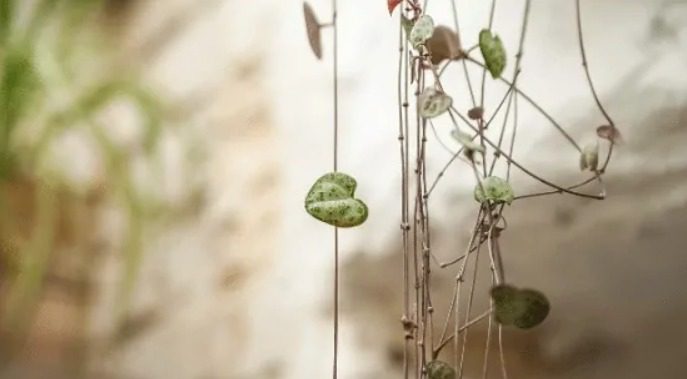
The string of hearts is a beautiful plant that can be found in many homes around the world. However, if you notice your string of hearts leaves turning brown it could mean trouble. This blog post will discuss what causes the plant to turn brown and how to fix the problem so that your plant stays healthy and looks great!
Why Is My String of Hearts Turning Brown?
Your string of hearts has turned brown as a result of overwatering or leaf burn. Brown leaves from overwatering tend to be moist, rather than dry and crispy like burnt leaves.
Determining what caused the leaves to brown is so essential. I’ll go over these two possibilities in more depth, as well as what you can do to prevent it from happening again.
Brown String of Hearts from Too Much Water
The string of hearts plants are water-loving plants, but brown leaves will appear if you give it too much water or leave the plant constantly wet. This is one of the biggest mistakes that plant owners make.
String of hearts plants needs to be watered once every week. If you give it too much water, the roots cannot get enough oxygen and will begin to rot. This leads to brown leaves because there is no longer a healthy root system supporting your plant’s growth process.
It’s important to only give water when the top inch of soil is dry. You can test this by sticking your finger down one inch into the soil. If it’s moist, wait until the top layer of soil is dry before watering again.
You could also use a moisture meter to test the soil’s moisture level. Moisture meters are inexpensive and will take all of the guesswork out of watering your string of hearts plant.
If root rot has already taken hold, you are going to need to re-pot your string of hearts plant. Start by removing the old soil, and then pruning any rotten roots that are black and mushy.
Make sure you’re using good quality potting soil, as poor quality soils can lead directly to root rot issues in plants. You also want to make sure that the new container is the same size as the old one.
Re-potting a plant into a larger container will shock it, and you don’t want that to happen when your goal is trying to save this plant from dying!
The type of water matters too… You should only use filtered water when watering your string of hearts plant. This is because tap water has minerals and chemicals in it that can damage the plant’s leaves.
Brown String of Hearts from Leaf Burn
The other possible reason why your string of hearts plant is turning brown might be leaf burn. Leaf burn occurs when the leaves are exposed to either too much heat or direct sunlight.
The string of heart plants needs bright but indirect light in order for their leaves not to turn brown and crispy. Direct sun will scorch the leaves while leaving them under a heat lamp for too long will cause the leaves to dry out and turn brown.
The string of heart plants needs a lot of humidity in order to prevent their leaves from drying up, so you shouldn’t let them sit under any type of heating vent or fan.
If your string of hearts plant has been scorched by direct sunlight and is now turning brown, you will need to move the plant away from direct sunlight.
Use curtains or other items to block out the sunlight when you’re not home. Blinds are great for allowing dappled light through the window.
Browning String of Hearts Leaves FAQs
The string of hearts isn’t the easiest plant to care for. As such, I will now answer some common questions I get asked about the leaves of this beautiful plant.
Will brown string of hearts plant leaves turn green again?
No, it is unlikely for brown string of hearts leaves to turn green again. The good news is that new foliage will be green if you can find and fix the issue.
Should I remove brown leaves from my string of hearts?
Yes, prune out any brown string of hearts leaves you to see. This will encourage new growth, which is what you want to happen! Your plant will grow new leaves in a few months.
Will too much water cause the string of hearts to turn brown?
Yes, if you’re giving your plant too much water, the roots will begin to rot and not be able to get enough oxygen. Your leaves will turn brown if there is no healthy root system supporting them anymore.
Why are my string of hearts leaves wet?
This is likely due to guttation, or excess water coming out of the leaves. This is common with plants that are overwatered or sitting in very wet soil.
Will direct sun cause my string of hearts to turn brown?
Yes, direct sunlight will cause your string of hearts leaves to burn. You should always provide this plant with bright, but indirect light.
Conclusion
In conclusion, there are a few reasons why your string of hearts plant is turning brown. It could be due to lack of water or excess moisture in the soil, root rot, leaf burn from too much heat exposure, direct sunlight scorching the leaves, etc.
I hope this blog post helps you to figure out what’s going on with your string of hearts plant and that it doesn’t die! You can also contact me if you have any questions.
by Gardener Tim | Oct 21, 2021 | House Plants, Plant Care
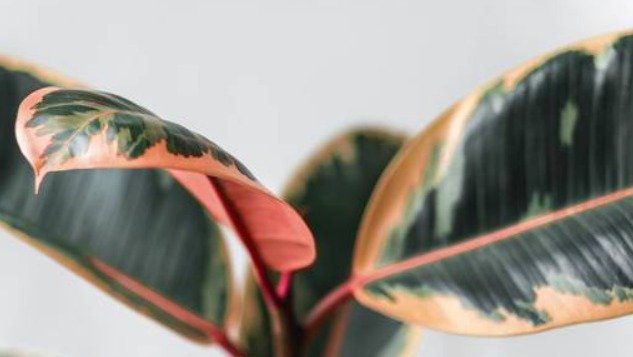
Variegated rubber trees are one of the most popular indoor plants for their attractive leaves and easy care. But, many people have trouble caring for them properly because they don’t know what to do. This article is a complete guide on how to take care of variegated rubber trees so you can keep them healthy and happy!
Variegated Rubber Tree Care: A Complete Guide
The best way to care for a variegated rubber tree is to follow the same care rules as a standard rubber tree but provide slightly more light, as the variegated variety needs more light to thrive. The variegated rubber tree care guide below is a great place to start:
Watering – Water your plant every week by spraying the leaves and pouring water into the saucer underneath until it drips out of the drainage holes in the bottom.
Light – Variegated rubber trees need bright, indirect sunlight, so place them in front of a sunny window. You may also want to use LED grow lights (Amazon link), which are perfect for variegated indoor plants.
Temperature – Keep your plant at 65-75 F (18-24 C). If the temperature drops below 50 degrees, you should bring it indoors to a warm environment where temperatures stay between 60 and 80 F (15 to 27 C) during winter.
Fertilizing – Fertilize your variegated rubber tree every month in the growing season with standard liquid houseplant fertilizer, following the dosage instructions on the label.
Pruning – Prune off any dead or dying leaves and branches as soon as you notice them keep your plant healthy. These leaves should be removed with a pair of pruning shears.
Potting – Repot your plant every year in spring to refresh the soil and make sure it has good drainage, but only go up one pot size for smaller plants (use a 12″ or 14″ pot for medium plants).
Pests – Variegated rubber trees are susceptible to mites, mealybugs, and scale. Check your plant regularly for these pests and remove any immediately to keep them from spreading.
Does a Variegated Rubber Tree Need More Light?
Yes, variegated rubber trees need more light than their darker-leaved relatives. This is because the variegated leaves do not absorb as much light, and they allow more through the leaf.
As such, I recommend placing variegated rubber trees near windows, but out of direct sunlight. Make sure there are no objects or plants blocking the plant from receiving the light it needs to survive. Lack of sunlight can result in the rubber plant looking leggy.
You could also use artificial grow lights! These work great for indoor plants, and they have become a lot more affordable lately. Just make sure you place the lights at an appropriate distance from the plant. I recommend leaving a gap of roughly one foot between the light and the first leaf.
Why Are Variegated Rubber Trees So Expensive?
Variegated rubber trees are more expensive than their dark-leaved relatives for a couple of reasons.
First, they require more care than most other plants. They need more water, they require slightly brighter light than their dark-leaved counterparts, and you should also avoid drafts that could harm the leaves or branches.
Second, variegated rubber trees are not as common in nurseries because it takes longer to grow them from cuttings compared to regular rubber trees. There is also a higher chance that the variegated rubber tree isn’t good enough to sell, which means prices need to be higher to cover losses.
How Do I Make My Rubber Tree More Variegated?
Regularly prune your rubber tree to make it more variegated. You can do this by removing the larger, darker leaves on a regular basis and leaving behind only the lighter-colored leaves that are smaller in size.
How Do You Maintain Variegation on a Variegated Rubber Tree?
Variegation is always present on variegated rubber trees, but the leaves can change color if you give the wrong care. This happens if you overwater your tree, place it in too much shade (or not enough light), cause damage to its leaves/branches, and occasionally when new growth appears after pruning.
As such, you should always make sure to water your plant when the soil is slightly dry and avoid overwatering it. Also, you need to place variegated rubber trees in areas that receive bright or filtered sunlight (and remember not to leave them in direct sunlight).
You also shouldn’t move a variegated rubber tree very often because this can cause damage to the leaves. If you need to move it, make sure you do so very carefully and slowly.
Where Do Variegated Rubber Trees Come From?
The variegated variety of the Ficus elastica is native to South Asia and Southeast Asia. It is a member of the Moraceae plant family, which is the same family as figs and mulberries.
Conclusion
In conclusion, variegated rubber trees are one of the most popular indoor plants for their attractive leaves and easy care. But, many people have trouble caring for them properly because they don’t know what to do.
This article is a complete guide on how to take care of variegated rubber trees so you can keep them healthy and happy. I hope this article has been helpful. If you have any questions, please feel free to leave a comment. Thank you for reading!