by Gardener Tim | Oct 14, 2021 | How To's, Plant Care
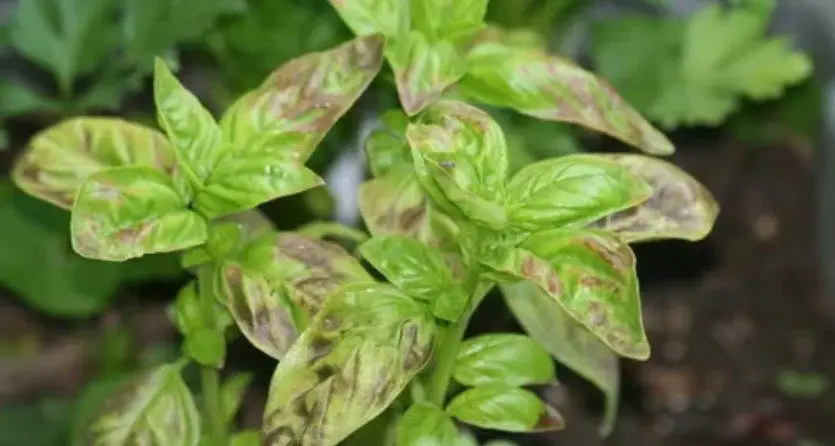
Basil sunburn is a common problem that many gardeners experience. The leaves of the basil plant turn brown and crispy, and it loses its flavor. This is a nightmare for any gardener who wants to use basil in a recipe.
Fortunately, there are many simple things you can do to treat your basil plant through sunburn and prevent further damage from occurring. This article will go over how to deal with this issue in your basil plants.
How to Deal With Basil Sunburn?
There are a few things that you can do to prevent basil sunburn. Firstly, you can place them in an area where they will get more shade during peak hours of sunlight exposure, or consider planting a different type of herb instead if this is a recurring issue.
Secondly, you can prune the basil plants to increase airflow and reduce moisture accumulation on the leaves of your plant. Lastly, there are some chemical sprays that will help prevent sunburns on your basil leaves as well!
Can Basil Get Too Much Sun?
Yes, basil can get too much sun. If you notice brown spots on your basil leaves, that means the plant is getting too much sunlight and needs to be moved into a shadier location.
I recommend giving 6-8 hours of sun a day. If you need to, consider pruning your basil plants more often so there are fewer leaves blocking sunlight from penetrating the plant.
When Is Basil Sunburn Likely To Occur?
Sunburn is likely to occur when you leave your basil plants in direct sunlight for an extended period of time. Basil leaves are particularly sensitive to sun damage during the summer months, which can lead to dehydration and eventual burning or browning of the plant’s leaves.
What Are The Signs Of Basil Sunburn?
The most obvious sign of basil sunburn is browning or crispy-looking leaves. They will also be more limp and droopy than usual, as well as wrinkled up on the surface.
It’s important to note that if you allow your basil plant to remain out in the sun for an extended period of time, browning leaves will become more and more evident until they eventually wither away.
Can Basil Recover From Sunburn?
Yes! If you see signs of sun damage, there are things that you can do to prevent further burning.
The first step is to move the plant to a shadier location that is blocked from direct exposure to the sun. If you can, consider taking the plant inside to avoid further sun damage!
The second step is to prune your basil plants more frequently. This will allow for better airflow and reduce moisture build-up on the leaves of your plant, which contributes to burning.
You can also use more water and mist the leaves of your plant to help them retain moisture. Basil plants tend to recover well when cared for properly, so be sure not to give up hope!
Will Burned Basil Leaves Turn Green Again?
No, it is unlikely for burned basil leaves to turn green again. Once the plant’s leaves are browned, they cannot be reversed.
If you take steps to cool burned basil plants down and reduce moisture levels on your plants’ leaves, however, it is possible for your whole plant to recover! I recommend misting the plant with water every day to help keep its leaves hydrated until new growth appears.
Will Sunburn Affect The Basil Plant’s Lifespan?
Basil plants are not perennial, so they will stop growing once they are harvested at the end of the growing season.
The average lifespan of a basil plant is usually about four to six months, but this depends largely on how well you take care of them.
However, a sunburned basil plant is unlikely to live as long, especially if left untreated. This is why it is important to move the plant into a shadier location and prune your basil plants more frequently.
Can I Eat Sunburned Basil Leaves?
While it’s okay to eat sunburned basil leaves, I highly recommend eating them when they are fresh and green. It is still safe to eat sunburned basil, but the plant’s leaves will not be as flavorful or fragrant!
Basil plants that have been exposed to sun damage will not taste as delicious, so you may want to only harvest from these plants when the foliage is green and healthy.
Also, burned leaves are not as attractive, which may not be great for aesthetic reasons (a huge part of cooking).
Conclusion
In conclusion, basil sunburn is a common problem that gardeners face. There are several things you can do to prevent it from happening, such as moving your plant into an area with more shade or pruning the leaves of the basil plants more frequently.
The key is to stop it from happening in the first place, which is why it’s important to make sure your basil plants are in an area where they do not receive excess sunlight.
I hope this guide has been helpful in understanding how to deal with basil sunburns!
by Gardener Tim | Oct 14, 2021 | Outdoor And Patio Plants, Plant Care, Uncategorized
When you grow squash in your garden, it is important to know when and how to harvest. Do something wrong, and the squash will turn yellow and be bitter tasting. But why does this happen?
In this blog post, we will help you figure out what’s wrong with your squash plant so that you can get your garden back on track!
Why Is My Squash Plant Turning Yellow?
Your squash plant leaves are turning yellow because the plant has been overwatered, it hasn’t received enough light, or the environment is causing stress.
Let’s now explore the most common causes of yellowing leaves on a squash plant and what you can do about them.
Yellow Squash Plant from Overwatering
When the leaves of a squash plant turn yellow, it usually means that your plant is being overwatered. This can happen in garden beds or containers.
The key to preventing this problem is to water sparingly and only when you notice that the soil has started to dry out. When watering your plants, try not to wet their foliage as this can cause mold or mildew to form.
If you are overwatering your plants, the solution is to reduce watering and let the garden bed dry out between waterings. You can test the soil by inserting your finger about two inches into the soil. When it feels dry at this depth, you can water again.
Yellow Squash Plant Leaves from Not Enough Light
Another common cause of yellowing leaves on a squash plant is that the light isn’t strong enough. While you will typically see this problem in winter, it can also occur during other seasons if your plants aren’t getting adequate sunlight.
If your garden bed or container doesn’t receive at least six hours of indirect sunlight per day, the plant will not be able to photosynthesize and grow properly.
If you think your plants are getting too little light, increase their exposure to sunlight by moving them closer to a window or adding another source of artificial lighting to supplement what they’re already receiving. If moveable lights are an option for you, this is often a good temporary solution.
Yellowing Squash Plant Leaves from Environmental Stress
Sometimes when a squash plant’s leaves turn yellow, it is because of environmental stress that occurs in the garden bed or container. This can be caused by too much heat or cold, not enough moisture, and more. Each type of stress requires a different treatment option to help get your squash plant back on track.
If you’re noticing yellowing leaves during summer, make sure the garden bed has good drainage and is getting enough water (but not too much). You can also add a layer of mulch to help keep moisture in the soil. If you have a container, be sure it isn’t sitting in a pool of water.
If the yellowing leaves are a result of cold or frost, you can cover your plants with a blanket to prevent further damage and help them recover faster. You can also decrease watering as squash is more sensitive to moisture when it’s colder outside.
Yellow Leaves on Squash Plant from Fertilizer Buildup
If you notice that your leaves are turning yellow, but they aren’t wilting or falling off the plant, it’s likely a sign of fertilizer buildup. This can occur when too much nitrogen accumulates in the soil and prevents other nutrients from getting to the roots.
The best way to get rid of this problem is via leaching, which means that you need to thoroughly water the soil with at least one inch of water. You can then follow up by applying mulch and/or adding a layer of compost on top of the soil before planting your next crop.
If this isn’t enough, it’s best to contact a professional landscaper or horticulturist to help you with your problem.
Squash Plant Leaves FAQs
I will now discuss some of the most frequently asked questions when it comes to yellowing leaves on a squash plant.
Should I cut yellow leaves off my squash plant?
Yes, it’s a good idea to remove any yellow leaves from your plant, but you need to be sure that there isn’t another underlying cause of the problem. If other squash plants growing nearby are also turning yellow, it could indicate a nutrient deficiency or other environmental conditions that can spread between them.
Is it normal for my squash plant to lose some of its lower leaves?
Yes, it’s quite normal for your plant to lose some leaves. If you notice that multiple lower leaves are falling off the stem, it could be a sign of temperature shock or another environmental stressor like lack of sunlight.
You can treat this by moving your plant into an area with more light and watering well until the soil is moist but not soggy.
What are good indoor grow lights that will help with yellowing leaves?
You can use LED grow lights or T-lights to help increase the amount of light your squash plants are receiving. If you want something more powerful, make sure it’s at least 1000 watts and has a color spectrum that is suitable for photosynthesis (reds, blues, purples).
Will too little light cause my squash plant to turn yellow?
Yes, if your squash plants are receiving too little light, the leaves will start to turn yellow. If you notice this problem when growing outdoors in summer or fall, it could be because of a lack of water and nutrients due to heat stress.
Will too much water cause my squash plant leaves to turn yellow?
Yes, in fact, this is one of the most common causes when it comes to yellowing leaves on squash plants. If you’re growing in the garden, make sure that your soil is well-draining rather than waterlogged. You can also plant your squash plants deeper to increase root growth and help them access moisture when it’s dry outside.
Will yellow squash plant leaves turn green again?
No, it is unlikely for yellow squash plant leaves to turn green. The good news is that the leaves will be replaced by new ones that are green. However, you can try fertilizing your plant to help it recover faster.
Conclusion
In conclusion, squash plants are pretty easy to care for, but you need to make sure that they have enough light and water. Treating yellow leaves on a squash plant is easy if you simply follow the tips in this guide.
by Gardener Tim | Oct 14, 2021 | Outdoor And Patio Plants, Plant Care
Mint leaves are often used to make refreshing herbal teas and toothpaste. It’s easy to grow in the home herb garden, but there is one thing that can cause major problems: white leaves! This article will provide information about why your mint leaves turn white and what you can do about it…
Why Are My Mint Leaves Turning White?
Mint leaves turn white when powdery mildew takes control. This is a fungus that can be difficult to control and it often spreads quickly. It looks like a white, fuzzy substance on the leaves and stems.
It typically occurs when the leaves are wet for extended periods of time. It also happens when there isn’t enough airflow or sunlight, so make sure you take these factors into consideration!
In fact, it is likely that other plants in the area are affected too. You see, powdery mildew doesn’t just affect mint. The good news is that there are many natural remedies you can try to get rid of it in no time!
How to Save Mint Leaves From Powdery Mildew?
Luckily, there are a few things you can try to save your mint leaves from powdery mildew.
To start, clean the affected leaves by gently scrubbing them with a toothbrush and warm water in order to remove any dirt or dust particles. Then apply neem oil using an old makeup brush. It is organic and will keep the fungus at bay!
I think all gardeners need a bottle or two of neem oil as it’s so useful for treating all kinds of fungal issues and pest infestations.
You can also try spraying your mint with garlic water to prevent powdery mildew from growing on the leaves again in the future. Simply mix one crushed clove of garlic, half a teaspoon of mineral oil or castile soap, and two cups of water together. Shake well and spray on the leaves!
Other Reasons for White Mint Leaves
Powdery mildew is the most likely reason for white leaves, but there are other possibilities, which I will now cover.
1. Pests
Insects, such as spider mites and aphids, can cause white leaves. You should look for small insects on the plant or underneath it if you suspect this is why your mint leaves are turning white.
In order to get rid of them, water the soil well with a strong blast from a hose outside. Then spray neem oil on top of that. This is a natural solution, so you don’t have to worry about the spray killing your plants.
You can also remove them manually by using tweezers or gloves and disposing of them in the bin!
2. Overwatering
Mint is not a plant that likes to be waterlogged, so it’s important not to overwater your mint plants. This can give the leaves a washed-out appearance that makes it look like the plant is turning white.
It’s important to only water when the soil is dry to the touch. It should feel gritty when you stick your finger in it, but not so much that it feels dusty.
It’s also worth investing in a moisture meter, which will let you know when plants need watering. Don’t forget this step if you want healthy mint leaves!
3. Not enough sunlight
Mint is a plant that prefers plenty of light, so if you are growing it indoors or in the shade outside then it may not be receiving enough sunlight. Make sure to place your mint plants in an area where they will receive at least four hours of indirect sun daily.
If this is an issue for outdoor growers, consider moving your mint plant to another location, if possible.
Is Neem Oil Safe To Use On Mint Leaves?
Yes, neem oil is safe to use on mint leaves. It’s an organic product that won’t cause any damage to your plants. This is why I love using it so much!
Neem oil can be mixed with water and then sprayed directly on the leaves of your mint plant. This should stop the spread of powdery mildew, but it will not get rid of existing powder that is already present on the surface.
Is Powdery Mildew On Mint Plants Dangerous?
No, powdery mildew on mint plants is not dangerous. It’s mostly just unsightly and it can be difficult to manage. However, you should always take steps to prevent powdery mildew from forming in the first place!
Conclusion
In conclusion, there are a few reasons why your mint leaves may be turning white. The most common reason is powdery mildew, which can spread quickly and kill off entire plants if it isn’t taken care of immediately!
If you think this might be the problem with your plant, make sure to either use neem oil or spray garlic water directly onto the leaves of your plant. This will kill off any existing powdery mildew and stop it from spreading to new leaves!
Other reasons for white mint leaves include pests, overwatering, or not enough sunlight. Make sure to check if these are the problem before you resort to using neem oil!
Mint can be used in cooking, to repel deer, and in essential oils, but it’s important to keep the plant healthy and disease-free. Follow the tips in the blog post to get your mint plants back on track. Happy gardening!
by Gardener Tim | Oct 14, 2021 | Plant Care
Parsley is a herb that some people love to have in their gardens, but others are not so sure about. It can be used as an ingredient for many dishes, or it can just be grown for decoration. One question that comes up often is how much water does parsley need? Well, let’s find out…
How Much Water Does Parsley Need?
Generally, parsley needs water about once a week. But, this can vary depending on the conditions of your parsley plant and where it is planted.
It’s best to give enough water for it to deeply penetrate the soil and reach the root system. Parsley roots grow on average about one foot into the ground, so make sure to water enough for this to happen.
Parsley plants grow well in moist soil because they are native to regions that have lots of rainfall or humidity throughout the year. They can also work well in sandy or loamy soil.
If your parsley plant is not growing as quickly, it may be due to a lack of water. Also, if the leaves are wilting and drooping downwards this could mean that the plant needs more water.
Can I Give Tap Water to My Parsley?
No, do not give tap water to your parsley plant. Parsley should only be given water that has been filtered and purified so all the chemicals in it are gone.
Another reason for this is because if there’s too much sodium or sulfur in the soil, parsley will develop yellowing leaves due to chlorosis, which makes them look unhealthy and isn’t very pleasing to the eye.
It’s best to use distilled water or rainwater for your parsley plant so this doesn’t happen. You can buy a machine that distills water, but it does cost money and takes time which you might not have if you’re trying to grow them quickly before an event! Luckily though, there are some alternatives you can use…
Can I Use Cold Water on My Parsley?
No, do not use cold water on your parsley plants. Parsley likes warm temperatures, so if you give it cool or cold water, this can damage the plant and even stunt its growth!
One way to tell whether the temperature of the water is too low for your parsley is by feeling it with your hand. If it’s too chilly for your hand, then it’s too cold for the parsley.
Can I Give Hot Water to My Parsley?
No, never give hot water to a parsley plant. Parsley should only be given warm or room temperature tap water.
If you want to use the cold method for watering your parsleys, make sure you let the bucket of water sit in sunlight for about an hour before giving it to them. This way, the temperature will rise up to a more comfortable one instead of instantly shocking them.
Can I Use Distilled Water on My Parsley?
Yes, distilled water is perfectly fine to use on your parsley plant. This type of water has been purified, so all the chemicals and contaminants have been removed from it.
This means that distilled water does not contain any salt or added minerals like tap water, which could affect your parsley’s growth rate in a negative way. To save money, you can even use water you’ve boiled to remove contaminants yourself.
What Happens if I Overwater My Parsley?
Overwatering your parsley plant can lead to rot and root diseases. Over time, the soil around the roots will become soggy and soft, which makes it very easy for fungi or bacteria to develop.
Root rot happens when there is too much water in the soil that prevents oxygen from reaching the root system of a parsley plant, which can kill it.
In extreme cases, the roots may even rot away entirely and all that’s left of your parsley plant is a dead stalk in the ground! This usually happens if you’ve been watering multiple times a day for longer periods of time.
What Happens if I Underwater My Parsley?
Underwatering your parsley plant is not as harmful, but it can make the roots weaker and smaller since they are deprived of nutrients for too long.
This makes them more susceptible to diseases because there’s not enough strength in the root system to fight off fungi or bacteria that invade it after watering less frequently – even if you do water regularly.
Parsley can also develop a lighter green color if it’s not given enough water, which makes the plant look sickly and unhealthy. Plus, it may wilt or droop more often due to its roots being unable to support its stems properly! This is another sign that your parsley isn’t getting enough water.
So make sure you water your parsley plant often enough so it doesn’t wilt or turn a pale color. This is the best way to ensure that its roots are strong and healthy, which makes them able to fight off any kind of disease!
Parsley requires about an inch of water every week in order for the soil around its roots not to get too soggy.
However, this can vary depending on the temperature of where it’s planted and how much sunlight it gets every day! Be sure to check the soil around your parsley plant regularly so you know when they need water again. This is especially important during hot summer months – if there isn’t enough rain, consider giving them a deep drink every few days.
Conclusion
In conclusion, there are several factors that will determine how much water your parsley plant needs. These include the type of soil it’s planted in, its exposure to sunlight and heat, as well as whether you choose distilled or filtered water.
If you want healthy parsley plants with strong roots for cooking, then make sure they get at least an inch of water every week! Also, remember to not give cold water or water from your kitchen tap to the parsley plant – it will be too chilly for its roots.
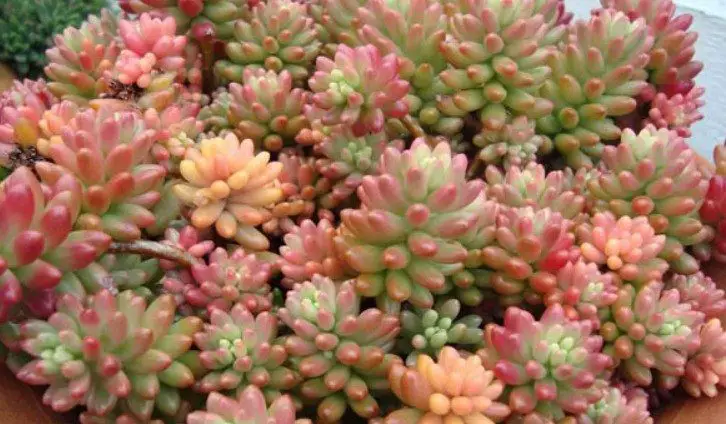
by Gardener Tim | Oct 4, 2021 | House Plants
It’s always a bummer when you find that your succulent is turning yellow. The good news is that there are many reasons why this could be happening, and it doesn’t necessarily mean the plant is sick or dying.
Read on to learn more about what might be causing your jelly bean succulent to turn yellow and how you can fix it!
Why Is My Jelly Bean Succulent Turning Yellow?
Your jelly bean leaves are turning yellow because the plant has been overwatered, it hasn’t received enough light, or the environment is causing stress.
I will now explore the most common causes of yellowing leaves on a jelly bean. By the end, you’ll have a much better understanding of why your succulent is yellowing and how you can care for it to prevent this from happening in the future.
Yellow Jelly Bean from Overwatering
One of the most common causes of a jelly bean succulent turning yellow is overwatering. If you’re leaving your plant sitting in the water by accident, this can cause the leaves to turn yellow and fall off.
It’s important that you let any excess water from watering drain through completely before allowing it to sit at the bottom of the container again. This way, your roots aren’t exposed to standing water for too long and will stay healthy!
Jelly bean succulents don’t need a lot of water to thrive. In fact, they thrive best in dry conditions and will actually rot if left sitting with too much water. I water mine every 10-14 days in summer and every 3-4 weeks during winter.
A good way to test if your jelly bean needs more water is by testing the soil with your finger. If the top 50% of the soil feels dry, then give the plant a small top-up of water. Those who don’t want to get soil on their fingers can use a moisture meter.
If you find that your succulent has been left in excessively wet conditions or if its soil is constantly moist even after thorough drainage, then chances are good that one (or more) of its roots may be rotting.
To tackle root rot, you’ll need to repot your succulent in a suitable container with fresh soil and make sure that it’s getting enough light. It’s also important to remove any rotten roots that are black and mushy as these roots are dead.
Yellow Jelly Bean from Too Little Sunlight
If your jelly bean succulent has been in the shade for too long, it could be why its leaves are turning yellow.
Plants need sunlight to photosynthesize and produce energy from their food source. This is how they grow! Succulents prefer bright light but can tolerate partial sun or filtered sunlight as well.
However, if there isn’t enough light reaching them at all, then this will cause the plant to stretch out rather than growing tall with lots of leaves on top. You’ll know that your succulent needs more light because it won’t have many dark green healthy leaves left – only lighter colored ones instead!
A good rule-of-thumb is that you should put your jelly bean where it’ll receive between four and six hours of sunlight per day. If you’re unsure, then it’s best to buy a light meter so that you can make sure your jelly bean is getting enough light.
Yellow Jelly Bean from Stressful Environments
The last reason why your succulent might be turning yellow could be because the environment isn’t suitable for it to thrive.
For example, if there are drafts or cold spots where the plant lives, this will cause stress on the leaves and they’ll turn yellow as a result (and eventually fall off).
Similarly, if the temperature around the leaves changes quickly – such as when you bring them indoors during winter – this too will shock them and can even lead to leaf drop.
Jelly Bean Leaves FAQs
Succulents can be difficult to take care of, especially if you only owned houseplants before. As such, I will now discuss some of the most frequently asked questions when it comes to yellowing leaves.
Should I cut yellow leaves off my jelly bean?
Yes, you should cut yellow or brown leaves off your jelly bean. The good news is that jelly beans will grow fresh leaves if given the correct care and dedication.
Will too little light cause my jelly bean to turn yellow?
Yes, too little light can cause your jelly bean to turn yellow. Succulents need bright indirect sunlight in order to stay healthy and green!
Will too much water cause my jelly bean leaves to turn yellow?
Yes, too much water can cause your jelly bean to turn yellow. Succulents like dry soil and will rot if they’re given too much water!
Will yellow jelly bean leaves turn green again?
No, yellow jelly bean leaves won’t turn green again. If you want your plant to recover, then make sure that it’s getting enough light and water! Given enough time, your jelly bean will grow new leaves that are green and luscious.
Conclusion
In conclusion, there are several reasons why your jelly bean succulent is turning yellow and falling off. It’s important to determine the root of the problem so that you can fix it before things get any worse!
The good news is that jelly bean succulents are relatively easy to care for and can even survive in unfavorable conditions. All you need to do is make sure that the soil drains well, provide enough light (but not too much), give it water once every few weeks, and repot if needed!
I hope this blog post has helped you to figure out why your jelly bean succulent is turning yellow and falling off. If not, feel free to leave a comment below or contact me for additional help!