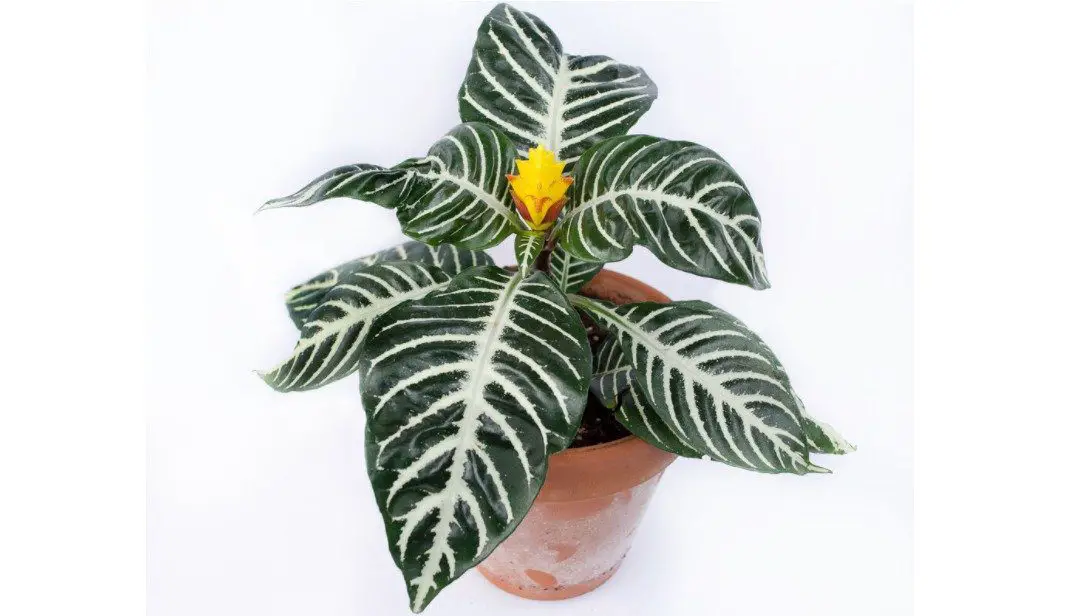
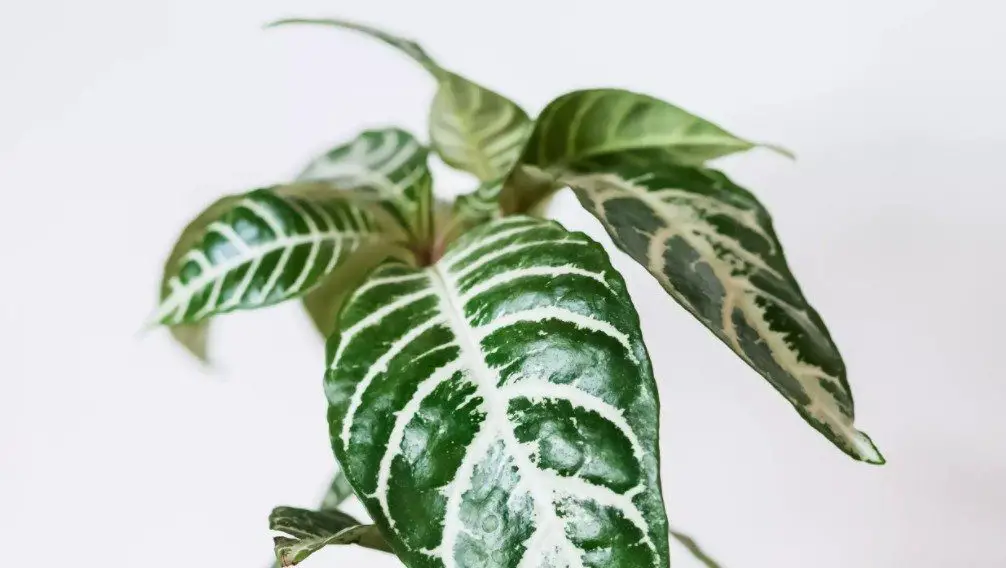
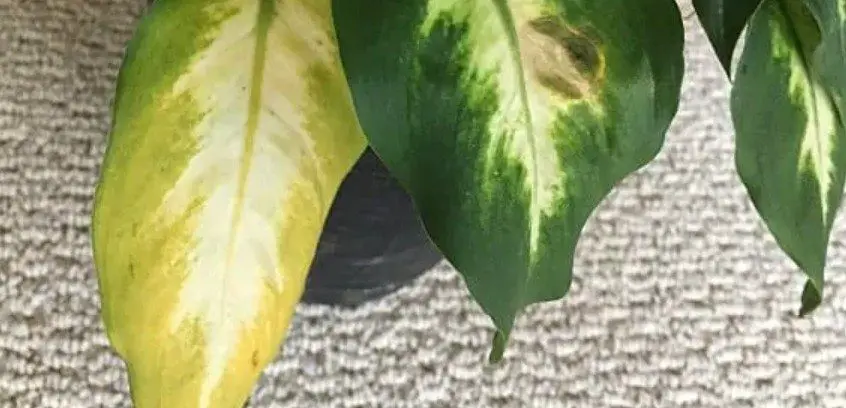
The zebra plant is a popular houseplant that many people enjoy. It’s easy to grow and can be kept in any room of the house, as long as it gets enough light. Unfortunately, there are some common problems that these plants often face.
One such problem is yellowing leaves. This article will discuss why your zebra plant may be turning yellow and how you can remedy this issue!
Why Is My Zebra Plant Turning Yellow?
Your zebra plant is turning yellow because the plant has been overwatered, it hasn’t received enough light, or the environment is causing stress.
Let’s now explore the most common causes of yellowing leaves on a zebra plant and what you can do about them.
1. It Should Be Watered Less
Overwatering is one of the most common reasons that zebra plants turn yellow. It usually occurs when the plant doesn’t have proper drainage or if you water it too much.
To help prevent this from happening, you should wait until the top of your potting soil feels dry before watering it again. You can test this by sticking your finger into the soil up to the second knuckle. If it doesn’t feel damp, then you can give your plant a drink of water.
Alternatively, you can use a moisture meter to test the moisture level of your soil. This is the most accurate way to tell if your plant needs water.
Also, make sure that there is a drainage hole in the bottom of the container. This allows excess water to drain out and prevents the soil from becoming too soggy.
I recommend watering a zebra plant every 10-14 days, but it depends on where you live and the type of potting soil you use.
If the overwatering leads to root rot, then you need to act as fast as possible. This is because root rot spreads quickly and can kill your plant.
If this happens to you, then cut off the affected roots and transplant them into a new container filled with fresh potting soil. Remember to discard the roots away from all plants to avoid fungal infection.
My final tip would be to avoid overwatering in the first place because it’s much easier than dealing with root rot. This means paying close attention to the soil and only watering it when necessary.
2. It Needs More Light
The second most common reason for yellowing leaves on a zebra plant is a lack of light. These plants need bright, indirect sunlight to survive and grow properly.
You should move your zebra plant to an area that gets between four and six hours of indirect sunlight every day. You can tell if it’s receiving enough light because the leaves will become darker in color.
If you don’t have enough natural lighting in your home or workspace, then I recommend using fluorescent lights instead (Amazon link). They are great for plants and can be placed right on top of the soil.
The best way to do this is by suspending a fluorescent light above your plant for approximately 6-12 hours each day. Make sure that it’s far enough away from the leaves so that they aren’t burned, but close enough to provide sufficient lighting.
3. Dry Air / Cold Drafts
The final reason for yellowing leaves on zebra plants is stress. If the plant has been moved to a new location, if it’s being exposed to cold air or drafty windows, or if you have recently pruned it back, then your plant may be stressed out and its leaves are turning yellow in response.
To fix this problem, you should give the plant a few days to adjust before making any changes. Many people make the mistake of changing multiple things at once, which can lead to more problems.
If your zebra plant is still turning yellow after a week or two, then there may be something else going on that you don’t know about yet.
This could mean that the soil isn’t draining properly or that pests are attacking it from below ground. It’s also possible that your plant is suffering from root rot, so you need to act quickly.
Here’s a video that shows how someone saved their dying plant. It talks about the steps you need to take if you want your zebra plant to thrive.
Zebra Plant Leaves FAQs
I will now discuss some of the most frequently asked questions when it comes to yellowing leaves.
Should I cut yellow leaves off my zebra plant?
Yes, remove the leaves as soon as you notice them turning yellow. This reduces the risk of spreading fungal infections or pests, plus it keeps your plant looking neat and tidy. Besides, they may fall off anyway.
Will too little light cause my zebra plant to turn yellow?
Yes, if your plant isn’t receiving enough light, then the leaves will become pale in color and turn yellow. Remember to keep it away from drafty windows or cold air because these can also cause discoloration.
Will too much water cause my zebra plantleaves to turn yellow?
Yes, if your zebra plant has too much water, then the leaves will start to wilt and become yellow.
Does overwatering cause root rot?
Yes, if you accidentally overwater your plant, then it’s more likely that the roots may become damaged. This can lead to root rot and a host of other problems that you’ll need to deal with right away.
Will yellow zebra plant leaves turn green again?
No, it is unlikely for the leaves to turn green again once they have turned yellow. The good news is that new leaves will be green if the plant is receiving the care it needs.
Conclusion
In conclusion, there are several reasons why your zebra plant may be turning yellow, but the most common ones include lack of sunlight, overwatering, and stress. You should avoid these problems in order to keep your plant healthy for years to come.
I hope that this post was helpful. Feel free to share your tips and experiences in the comments section.
Zebra plants can be a beautiful addition to any home. They are easy to care for and don’t require much attention at all. However, many people who own zebra plants notice that their leaves start turning brown and dying off.
This is a common problem with these types of plants and there are several things you can do to help them thrive in your home or office space again!
Why Is My Zebra Plant Turning Brown?
Your zebra plant is turning brown as a result of overwatering or leaf burn. While burnt leaves will be dry and crispy, brown zebra leaves from overwatering tend to be moist.
This is why it’s critical to figure out what caused the leaves to burn before taking action. I’ll go through these two reasons in more detail, as well as what you can do to prevent this from happening again.
Brown Zebra Plant Leaves from Too Much Water
If your zebra plant is turning brown, it may be because you are overwatering the plant. Overwatering causes leaves to become soft and brown in color.
Because this is the case, it’s critical to examine your soil before watering. I recommend waiting until the top of the potting mix is dry before giving your plant a thorough watering.
The soil should feel dry to the touch, so stick your finger into the dirt and see if it’s wet. If you can’t put your finger anywhere in the potting mix without getting damp, then you may want to think about watering again.
You may also check your plant’s moisture using a moisture meter. Whatever method you employ, make sure you do it on a regular basis!
Overwatering can cause root rot or even death in severe situations if left untreated for long. It might be tough to save your plant once this happens, but it is feasible if you act quickly!
Begin by pulling your flower plant out of its current container and inspecting the roots for decay. If they’re black or mushy (or even have a rotten stench), snip them away with a pair of sterilized scissors. The final step is to repot your zebra plant into a fresh potting mix that drains easily.
The new succulent potting mix should be considerably drier than the one you were using previously. By doing so, you will provide your zebra plant with an enjoyable living environment that doesn’t retain too much water.
Brown Zebra Plant Leaves from Too Much Sunlight
Too much direct sunlight is another cause of zebra plant brown leaves. When this happens, the plant develops tall and thin stems with small burnt leaves.
The plant thrives in light, but it should never be exposed to direct sunlight. This is just too much light for the plant to endure, which will harm the leaves and render them useless.
If you’re looking to minimize the amount of light your plant receives, try moving it into a shaded or indirect-sun location. This might imply transplanting it into an area with less direct sunshine or even partial shade as the plant recuperates.
I use grow lights frequently, so any reader of my articles is well aware that I adore them! You must, however, be cautious while using them. Using the grow lights too much may cause the tips to burn due to overexposure.
Zebra Plant Leaves FAQs
The zebra plant isn’t the easiest plant to care for. As such, I will now answer some common questions I get asked about the leaves of this beautiful plant.
Will brown zebra plant leaves turn green again?
No, it is unlikely for the leaves to turn green again. Once they are burnt, the plant will not recover its previous appearance or coloration.
Should I remove brown leaves from the zebra plant?
Yes, prune all burnt or dead leaves from the plant. You can do this with sterilized scissors to prevent any further decay of your zebra plant’s roots and soil environment.
Will too much water cause the zebra plant to turn brown?
Yes, too much water can cause the leaves to turn brown. This is because it causes them to become soft and weak, which will make your plant more susceptible to disease or decay.
Why are my zebra plant leaves wet?
This is likely due to guttation, which is the plant releasing excess water through its’ leaves. You can prevent this with proper watering by allowing for complete drainage each time you water your zebra plant.
Will direct sun cause zebra leaves to turn brown?
Yes, direct sunlight can cause your zebra plant leaves to turn brown. This is because the intense exposure causes them to burn and become unusable by the plant. Be careful when using grow lights or other artificial light sources to ensure they don’t cause the same damage.
Conclusion
In conclusion, your zebra plant may be turning brown because of too much water or sunlight. Make sure to keep your soil moist, but not wet, and give the plant filtered light in order to prevent this from happening again!
I hope that this post helped you to determine why your zebra plant turned brown. If you liked this post, please leave a comment letting me know! I appreciate any and all feedback that readers provide.
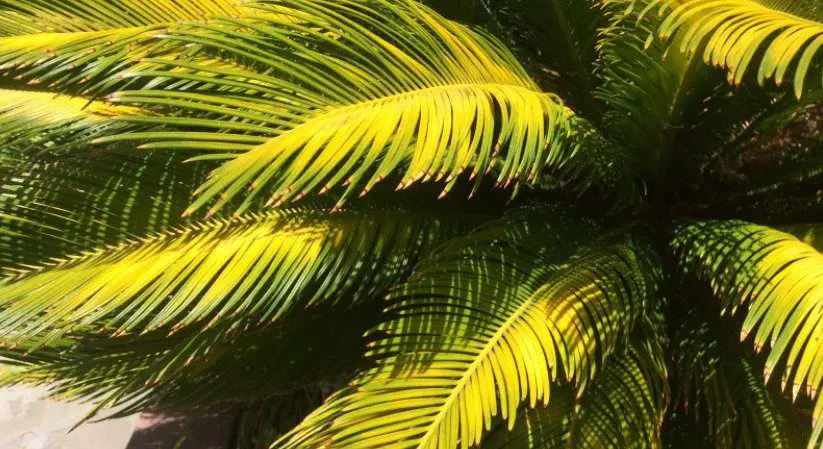
Like a palm tree grower, there is nothing more frustrating than finding out that your beautiful sago palm has started going yellow. These trees are often one of the most popular at nurseries and they do such an amazing job as indoor plants for offices and homes. But if they turn yellow, what can you do? Let’s find out…
Why Is My Sago Palm Turning Yellow?
Your sago palm leaves are turning yellow because the plant has been overwatered, it hasn’t received enough light, or the environment is causing stress.
Let’s now explore the most common causes of yellowing leaves on a sago palmand what you can do about them.
Yellow Sago Palm from Overwatering
If the sago palm leaves are turning yellow because they have been overwatered, then you will need to cut back on how often water your plant. The soil in a pot should be allowed to dry out before being watered again.
I tend to water my sago palm every 1-2 weeks, although they will need slightly more if the weather is hot and humid. Despite the name, sago palms are not actually palm trees, so don’t need quite as much water as you would expect.
You can test the soil by sticking your finger in the dirt, if it comes out moist then you shouldn’t water your plant. Alternatively, you can use a moisture meter to test the soil.
Too much water can often cause yellowing leaves on a sago palm as the roots start to rot. Root rot is a serious issue that will kill your plant, so you will need to fix this right away.
Start by removing the old soil and the rotten roots. You can use a pair of sterilized scissors for this, but be careful not to damage other areas of the plant. Then, plant the sago palm into new soil that is well-draining.
Yellow Sago Palm Leaves from Not Enough Light
Sago palms need at least four hours of bright, indirect sunlight every day in order to thrive. If your plant hasn’t received enough light then the leaves will start turning yellow and drop off.
You can place your sago palm by a window that gets plenty of sunlight or you might want to invest in some grow lights if this isn’t possible. Using indoor grow lights is one of the best ways to keep plants healthy on cloudy days when there’s not enough natural light available.
If you are buying new grow lamps for your home it’s important to get full-spectrum LED bulbs (Amazon link). These will ensure that all parts of the spectrum are provided for your plant and will ensure they grow as fast as possible.
Yellow Sago Palm Leaves from Stress
Sago palms are very sensitive to changes in their environment, so anything out of the ordinary can cause stress that results in yellow leaves. This includes cold drafts from windows, water that is too hot or cold, and a sudden lack of humidity.
You should make sure your sago palm stays in a room where the temperature doesn’t drop below 60°F (16°C), as this can damage its leaves. If you have recently moved house, then there might be ventilation issues around doors and windows that are causing it to go yellow.
Check for any drafty areas that need covering up with plastic sheets or insulation tape. You can also set out bowls of water near open windows to keep the air humid until you find the source of the problem.
If none of these conditions apply, then maybe something else has happened to cause your plant’s stress – finding out what could help prevent future problems!
It’s important to note that repotting a stressed sago palm can do more harm than good as this usually stresses the plant out even more!
Sago Palm Leaves FAQs
I will now discuss some of the most frequently asked questions when it comes to yellowing leaves.
Should I cut yellow leaves off my sago palm?
Yes, remove any yellow or brown leaves to keep your sago palm looking healthy. You can either do this by hand or use a pair of sterilized scissors for larger cuts.
Is it normal for my sago palmto lose some of its lower leaves?
Yes, it is normal for a sago palm to lose some of its older leaves as it gets taller. You can cut these off and use them in your compost heap, but don’t remove too many at once or the plant won’t be able to sustain itself.
What are good indoor grow lights that will help with yellowing leaves?
Full-spectrum LED bulbs are known for being some of the best kind of grow light out there! We recommend this one on Amazon.com, which offers six different color spectrums led grow light.
Will too little light cause my sago palm to turn yellow?
Yes, a lack of light can cause a sago palm to lose its color and turn yellow. Your plant needs at least four hours of indirect sunlight every day in order to grow properly, so make sure this is available when you buy one.
Will too much water cause my sago palmleaves to turn yellow?
Yes, sago palms are very sensitive to changes in their environment so too much water can cause yellow leaves quickly. It’s best to use room temperature water that is around 50°F (11°C) for this plant as cold or hot temperatures will damage your sago palm over time!
Will yellow sago palmleaves turn green again?
No, once a sago palm leaf has turned yellow it is very unlikely to turn green again. You can still maintain your plant’s health by removing any dead or brown leaves to keep the appearance clean looking, however! Also, give your plant the correct care and new foliage will emerge as green.
Conclusion
In conclusion, sago palms are very easy to care for and it’s unlikely that you will run into problems like this too often. If your plant is turning yellow, then check all the factors I have mentioned in order of importance so you can provide whatever they need.
I hope that by reading this blog post you will understand what’s causing the problem and how to fix it. Please do check out my other posts on this beautiful plant.
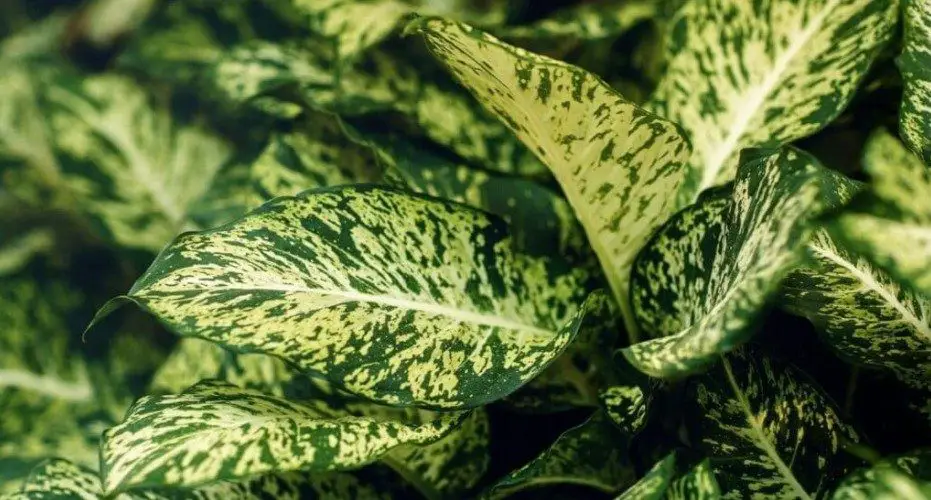
Dumb cane leaves are turning brown and dying – what’s the problem? Dumb canes, or Dieffenbachia spp. as they’re scientifically known, are often grown indoors because of their beauty.
But sometimes you may find that your dumb cane is losing its color and looking sickly. This post will examine why this might be happening to your plant, so you can take steps to prevent it from happening again in the future!
Why Are My Dumb Cane Leaves Turning Brown?
Overwatering or leaf burn has caused your dumb cane to turn brown. Brown zebra leaves from overwatering are damp, while burnt leaves are dry and crispy.
Determining the source of the browning leaves is important. I’ll go through these two causes in greater depth, as well as what you can do to ensure it doesn’t happen again.
Brown Dumb Cane Leaves from Overwatering
Brown leaves on dumb cane plants are often the result of overwatering. This is why it’s important to always use a pot with drainage holes, otherwise your plant will drown in its own water!
You should also ensure that you do not overwater your dieffenbachia at any point – wait until the top inch or so (about the length of your pinky finger) is dry before giving it more water.
You can test this by sticking your finger in the top inch of soil to see if it’s dry. If you can feel moisture, don’t water!
Failing to do this may result in your pant dropping its leaves in a few weeks’ time. This is because the water may have been causing root rot, which affects your plant’s ability to take up nutrients from the soil and causes it to drop its leaves.
You can fix root rot by pruning any rotten roots and repotting your plant I to fresh soil that drains well. You may have to wait a few weeks, but your dumb cane should recover just fine.
Brown Dumb Cane Leaves from Too Much Sunlight
Dumb cane leaves that are brown and crispy, rather than damp and wet like those from overwatering, may be the result of too much sunlight.
This is particularly common in summer when you’ve placed your dumb cane outside to enjoy its greenery for a few hours during the day before bringing it back indoors again at night.
It’s important to remember that just because your plant is outside, this does not mean it can handle direct sunlight.
This will dry out the leaves very quickly and burn them. So if you have placed your dumb cane outside for some sun, be sure to place it somewhere where there are only a few hours of indirect sunlight each day so as not to burn the leaves.
You can also block the sun by placing a plant nearby it, or moving your dieffenbachia to an area with more shade, like behind a curtain in your living room.
It’s also a good idea to rotate your plant every few days so that it gets an even amount of sunlight on each side for even growth and coloring!
Dumb Cane Leaves FAQs
The dumb cane isn’t the easiest plant to care for. As such, I will now answer some common questions I get asked about the leaves of this beautiful plant.
Will brown dumb cane leaves turn green again?
No, it is unlikely for dumb cane leaves to turn green again. However, if your plant was only recently turned brown and you’re still giving it plenty of water and sunlight, new leaves will grow.
Should I remove brown leaves from my dumb cane?
Yes, you should remove any leaves that are turning brown immediately. If you leave them, they may drop before new ones appear which will look unappealing and result in the plant looking scraggly or poorly maintained.
Will too much water cause the dumb cane plant to turn brown?
Yes, too much water will cause your dumb cane plant to turn brown. This is why you should always ensure that the soil of your dumb cane has good drainage so it doesn’t drown in its own water!
Why are my dumb cane leaves wet?
This is likely because of guttation, which is when the plant’s pores release excess water. This can be caused by too much heat, dry conditions or if your pot lacks drainage holes so that the soil stays wet for a long period of time.
Will direct sun cause dumb cane leaves to turn brown?
Yes, too much direct sunlight can cause dumb cane leaves to turn brown. This is why it’s important to place your plant somewhere that only has a few hours of indirect sun each day, or behind curtains if you live in an area with the more intense summer heat.
Conclusion
In conclusion, now that you know the cause of your dumb cane’s brown leaves, you can now take steps to save it. Just remember to give your dumb cane the correct amount of water and keep it out of direct sunlight during the summer season!
I’m sure you’ve noticed that your dumb cane leaves are turning yellow, but what does this mean? Dumb cane is a type of invasive plant that is native to South America. This plant can be found in Florida and grows quickly in shady areas with moist soil.
The leaves are often used for decorative purposes because they change colors depending on the season. This article will explain why your dumb cane leaves are turning yellow and how to fix it!
Why Are My Dumb Cane Leaves Turning Yellow?
Your dumb cane leaves are turning yellow because the plant has been overwatered, it hasn’t received enough light, or the environment is causing stress.
Let’s now explore the most common causes of yellowing leaves on a dumb caneand what you can do about them.
Yellow Dumb Canefrom Overwatering
One of the most common reasons why dumb cane leaves are turning yellow is that you’re overwatering your plant. Make sure to only water the plant when it’s dry and never leave standing water in its pot.
As a tropical plant, the plant likes moist soil that is watered every 5-7 days during the summer months and every 10-14 days during the colder months.
The best way to tell if the dumb cane needs more water is to test the top inch of soil with your finger. Simply push your finger into the soil to feel if it’s moist. If you can’t tell, use a moisture meter to help you out!
To fix the issue of yellowing leaves on a dumb cane due to overwatering, simply reduce the amount of water you’re putting in. This will stop the risk of root rot and other issues.
If root rot has already kicked in, you need to act immediately by removing all of the soil from the pot and removing any rotten roots with a pair of sterilized scissors. Next, repot the plant in fresh soil and make sure to follow a strict watering schedule.
To give yourself the best chance of success, only use soil that drains well. Oh, and use pots that have drainage holes at the bottom so that excess water can flow out.
Yellow Dumb Cane from Too Little Sunlight
Another common cause of yellowing leaves on a dumb cane is that it isn’t receiving enough light.
To fix this, make sure to move the plant in front of an east or west window where they will receive sunlight for at least six hours per day. If you aren’t getting six hours of sunlight, consider adding full spectrum grow lights indoors near your dumb cane.
I use grow lights on nearly all of my houseplants to make sure they receive enough light, especially during the dark winter months.
It’s important that the sunlight it receives is not direct sunlight because this can cause sunburn. If the plant is in direct sunlight for more than an hour, move it to a shadier area so that it doesn’t get burned leaves!
Yellow Dumb Cane from Environmental Factors
Finally, dumb cane plants will sometimes experience yellowing leaves due to environmental factors, such as fluctuating temperatures or dry air.
To fix these issues, make sure your plant isn’t near any heat sources and never place it next to drafty windows where cold air may be blowing through the glass.
Sometimes doing nothing is the best solution in this case. In fact, many people make the mistake of re-potting their stressed dumb cane plant, which only makes the problem worse…
Dumb Cane Leaves FAQs
I will now discuss some of the most frequently asked questions when it comes to yellowing leaves.
Should I cut yellow leaves off my dumb cane?
Yes, you should always cut off leaves when they are turning yellow because this will encourage new growth. Use sterilized scissors to make the cut right below where the plant turns yellow.
Will the yellow leaves spread to other plants?
No, your other plants will be okay. The only risk is if your dumb cane is suffering from a fungal affection. Use neem oil on all infected plants if this is the case.
Does the type of water matter?
Yes, use filtered water that is free from chlorine. If you don’t have access to that, let the water sit overnight in a container before using it on your plant.
Will too little light cause my dumb cane to turn yellow?
Yes, if your dumb cane isn’t receiving enough light it will turn yellow, so make sure to place the plant in a sunny area. Consider using grow lights indoors if you live in an area where there is less sunlight during winter months or if you have north-facing windows.
Will too much water cause my dumb caneleaves to turn yellow?
Yes, your dumb cane plant will turn yellow if it’s overwatered. Be sure to only water your plant when the soil is dry and never leave standing water in its pot.
Will yellow dumb caneleaves turn green again?
No, it is very unlikely that yellow dumb cane leaves will turn green again. If the plant is healthy, the yellowing leaves should eventually fall off and new ones will grow in their place.
Conclusion
In conclusion, the most common causes of yellowing leaves on a dumb cane are overwatering, not enough light, or environmental factors.
As long as you fix the issue by reducing water and making sure your plant is getting enough sunlight during the winter months, it will return to its healthy green color.
Thank you for reading and please feel free to leave a comment below if I missed anything or if you have another question. Let me know how it goes after following one of these tips!