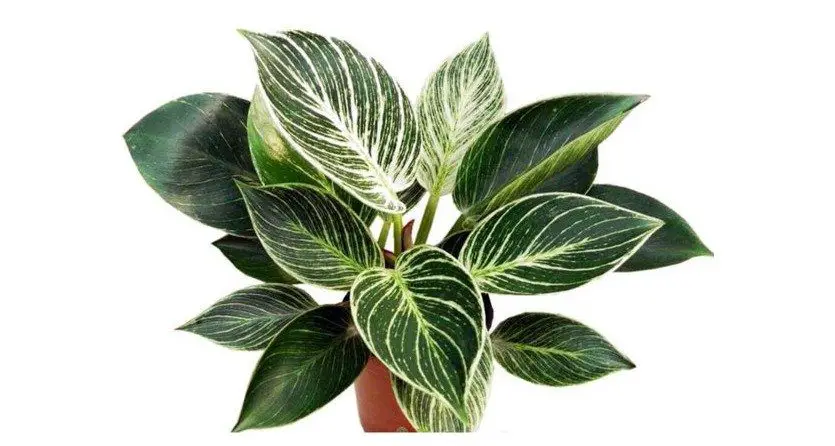
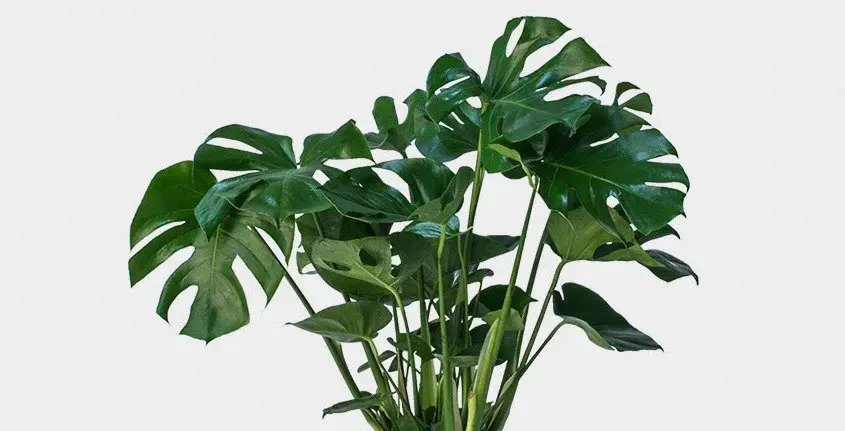
Philodendron winter care is not as simple as it may seem. It can be difficult to know what the best way to care for your philodendron is during these cold months. The last thing you want is your plants dying on you!
There are some easy ways that will help ensure they survive this winter, and grow healthy next year. Here are some tips for taking care of your philodendrons through the cold weather.
How Do You Take Care of a Philodendron Plant in the Winter?
The best way to take care of a philodendron in winter is to keep it warm and reduce the amount of water that you give it. This may seem counter-intuitive, but it is important to know that they need less water when it gets colder outside.
To keep your pothos plant alive and healthy throughout winter, move it away from windows that are exposed to cold drafts. As tropical plants, monsteras are sensitive to temperature changes and cold air that can cause plant shock.
I’ll now go through the most important aspects of philodendron plant winter care so that nothing goes wrong with your plant this season…
Watering Philodendron in Winter
In winter, your philodendron’s growth slows down. This means that it doesn’t need as much water. It is best to keep your plant on the dry side, rather than giving it too much water, which can cause root rot or other problems for your plant’s health.
A good rule of thumb is only watering when you see about an inch of soil drying out under the pot. I usually water mine once every 2-3 weeks during winter.
The best time of day for watering is in the morning so that it has all day long to dry out again before night comes along. This will give the best chance of avoiding problems with overwatering, which can be fatal to your plant.
Pothos can suffer from root rot in winter, so it’s important to only use pots with drainage holes. If you notice your plant suffering, then I suggest pruning any rotten roots and repotting the plant into fresh soil that drains well.
Pruning Philodendron in Winter
Pothos is a vine, so it can get very tall. It’s important to prune your plant regularly in winter if you want to keep it under control and looking good!
However, it is unlikely that you will have to worry about pruning your plant this winter. This is because it will be in more of a dormant state, which means its growth has slowed down, so there isn’t much to do!
Philodendron Light Requirements in Winter
It is hard to give our plants the light they need during the reduced daylight hour in the winter. As such, we need to take some action by looking for a sunny area of our homes that receive plenty of indirect light.
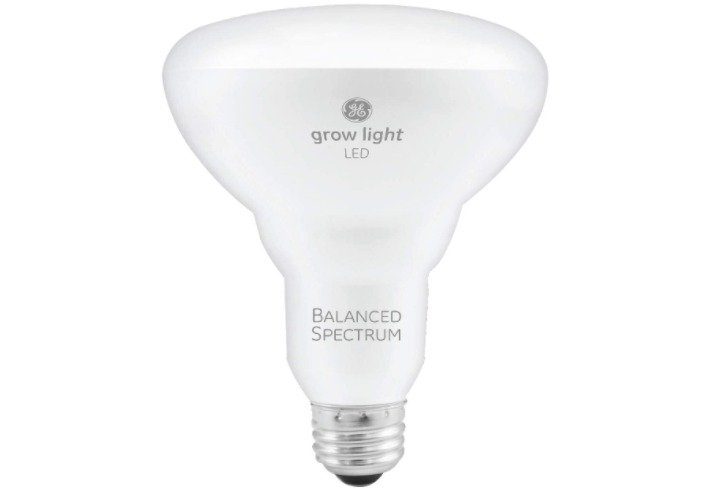
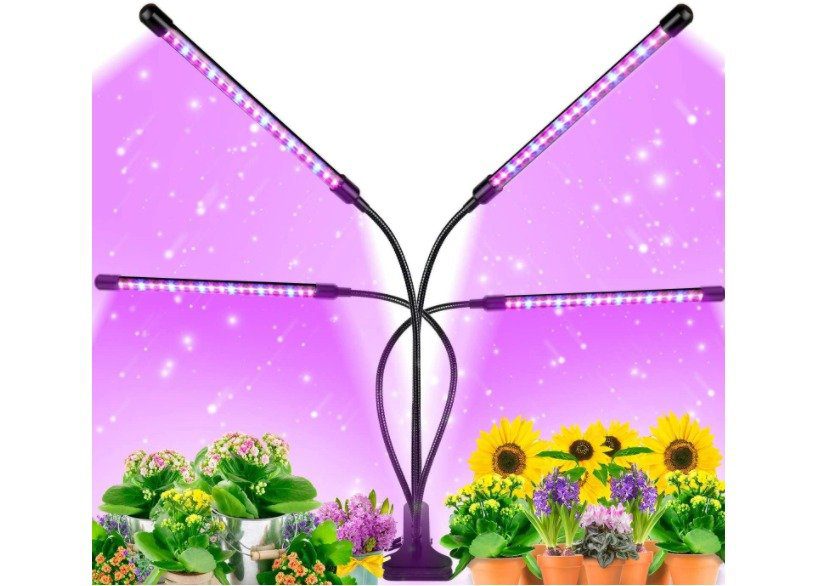
Philodendrons grow best in bright, but filtered sunlight to make them stronger and healthier! This means that you may have to use grow lights (Amazon link) during the dark days of the winter months.
I use grow lights on nearly all of my plants during the wintertime. This is because I live in the UK, which has cold winter days that don’t see much sunlight. The grow lights help by giving my philodendrons some bright light to keep them healthy!
Philodendron Humidity Requirements in Winter
Philodendrons are rainforest plants that love high humidity. During the winter, it’s likely you will notice your plant dropping leaves at an increased rate because of low humidity levels in our homes!
This be especially true if you have your central heating on to heat up your house! This dry heat can cause your plant to lose its leaves quickly. So, it’s important you keep humidity levels up for best results…
If you live somewhere with dry winter air (like me!) then I recommend using a room humidifier or putting your plants on trays of wet pebbles during the cold months. This will help to reduce any problems with dry air.
Where to Place Philodendron in Winter?
Philodendrons can grow well in most positions. They prefer bright, indirect sunlight and high humidity levels as we talked about before!
That said, you should avoid placing your plant near a heater or air conditioning vent that blows directly on it (or any other window with direct drafts). These will be too cold for the plant to handle in the winter.
And, it is best to leave your plant in its pot! I know that you might want to re-pot into a larger container. However, this isn’t ideal during the wintertime as plants go through their dormant state and don’t need large root disturbances.
Fertilizing Pothos in Winter
You should not fertilize your plant during the winter. This is because it will be going through a period of slow growth where feeding isn’t necessary!
As such, you can skip this step and wait until spring arrives to start doing some regular monthly feedings with diluted fertilizer.
Philodendron Winter Care FAQ
Caring for a philodendron in winter is a complicated subject. As such, I shall now answer some of the most frequently asked questions.
How often should I water my philodendron during winter?
You should only water your philodendron when the top inch of soil is dry. In the winter, this will typically be every 2-3 weeks – not very often at all!
Can philodendron survive winter?
Yes, philodendrons are very hardy plants! However, they do need some winter care to keep them in good health. Make sure to keep the light levels high, monitor the soil closely, and reduce fertilizer feeding.
Do philodendrons grow new leaves in winter?
Yes, philodendrons will continue to grow new leaves during the winter. However, only if they are in a warm environment that receives plenty of sunlight. This means that you may need to cut off any dying/old leaves as they begin to yellow and die!
What temperature is too cold for a philodendron?
Anything below 50 degrees Fahrenheit is too cold for a philodendron. If you notice your plant dropping leaves or looking unhappy, you should move it to a warmer area in the house.
When should I bring my philodendron inside?
It’s recommended to bring your philodendron inside before the first frost of the season. Doing this will ensure that you don’t kill your plant by exposing it to the cold!
Should I move my philodendron away from the heater in winter?
Yes, heaters can be very dangerous for plants! Make sure to keep your philodendron at least a foot away from the heater. If you must, use grow lights or room lighting instead.
Conclusion
In conclusion, caring for a philodendron during the winter can be difficult. However, it is possible to keep your plant happy and healthy with some simple measures!
Philodendrons are great plants that will brighten up any room in your home even if they don’t receive much direct light. The good news is that they’re also very easy-to-care-for and will adapt to almost any condition!
The most important things to remember during winter are to reduce watering and make sure the plant receives enough sun exposure. Doing this will help to keep your plant healthy!
One of the most common and troublesome issues with bird of paradise plants is curling leaves. The cause for this can be a variety of different things, so it’s important to identify what the problem really is before you try to fix it.
This blog post will go over some of the most common reasons why your bird of paradise leaves may be curling and how you can address them.
Why Are My Bird of Paradise Leaves Curling?
Your paradise leaves are curling due to incorrect watering, sudden temperature changes (dry air), or because the soil’s pH level is too high.
It’s important to only water when the top inch of the soil is dry, provide a consistent environment that doesn’t change, prevent drafts, and keep the humidity over 60%.
The cause for this can be a variety of different things, so it’s important to identify what the problem really is before you try to fix it. I will now go into each of these potential causes and what you can do to address them.
1) Too much water
Bird of paradise leaves curl down when they receive too much water. This is normally the result of overly wet soil, which can lead to root rot. This is why it’s important not to water your plant when the soil is still moist.
Make sure you only water when your soil feels dry about an inch down, and then allow it to drain completely before watering again.
Failure to do this can even result in root rot, which is a serious and potentially fatal condition for your plant. You can fix this issue by removing the plant from the soil, inspecting the roots, and then pruning any rotten roots that you find.
The plant will then be put back into fresh soil that drains well. In the future, it’s best to prevent rot from happening in the first place by providing the plant with well-draining soil and watering only when the soil is dry.
If you’re doing this correctly, but still notice curling leaves, there may be another cause for this issue.
2) Not enough water
Bird of paradise leaves curl inwards when they don’t receive enough water. They do this to conserve moisture and to protect their roots. When a plant is damaged from underwatering, it can attempt to heal itself by keeping as much moisture as possible.
In this case, the problem isn’t the soil or how quickly water drains out of it – your bird of paradise simply needs more water. The easiest way to deal with curling leaves due to lack of watering is just giving your plants a good soak every week or two for about an hour each time you’re doing it.
If they still seem parched after that period of time has passed, then you may need more humidity in your home during the dryer winter months.
3) Sudden temperature changes
The leaves of a bird of paradise plant can curl if they experience sudden changes in temperature. This often happens during heatwaves, where the temperature suddenly increases and then decreases again.
This stresses out your plant, which can result in curling leaves as a protective measure against losing moisture due to the change of temperature (and possibly even desiccation).
This used to happen to my plant when I kept it in my top bathroom window during the summer. Basically, the heat was too much for the plant to handle.
If you experience hot weather followed by colder weather, it’s best to keep your bird of paradise indoors until temperatures have stabilized.
It’s also important to protect against cold drafts and hot or cold spots. As such, be careful not to place your plant near a drafty window or in front of a heater.
If you have no choice but to put it somewhere outside, make sure to move it back inside when the temperatures drop below 50 degrees Fahrenheit.
4) Soil with a high pH level
Bird of paradise leaves curl due to soil with a high pH level. This is normally the result of overly alkaline soil, which can burn your plant’s roots and cause them to rot.
This also makes it very difficult for any nutrients in the soil to be absorbed by your plant (since they won’t dissolve in an environment where there are too many minerals present).
The easiest way to deal with this problem is just adding some peat moss or leaf mold into the dirt that you’re using as potting mix. You’ll then want to water after 24 hours at most so that the excess moisture will drain away from its roots before causing problems like rotting or root damage.
Curled Bird of Paradise Leaves FAQ
In case you are still unsure, I will now answer some of the most frequently asked questions.
How do you uncurl a bird of paradise leaf?
You do not need to be alarmed, the plant is simply trying to protect itself from losing too much moisture during a cold snap or hot spell of weather. After the temperatures stabilize again, it should straighten out its leaves just fine on its own.
How do you stop soil from burning bird of paradise leaves?
It is best to mix in some leaf mold or peat moss into the dirt before potting your plant. This will prevent it from getting too alkaline, while still allowing for good drainage and aeration.
Will too underwatering cause bird of paradise leaves to curl inwards?
Yes, this is a very common issue. The plant will curl its leaves inwards because it needs to conserve moisture that would be lost if they remained flat.
If you’re careful about not underwatering, this should prevent the leaves from curling. However, it can still happen when there are sudden changes in temperature or too high of a pH level present in your soil’s PH balance (due to overly alkaline dirt).
Conclusion
In conclusion, a variety of different issues can lead to curling leaves on a bird of paradise plant. You’ll want to identify what’s causing the issue and make sure you’re following proper care instructions in order to prevent it from happening again.
This includes making sure the soil drains well, giving your plants enough water (finding the right balance between not-enough and too-much is very important), keeping them indoors during sudden temperature changes, and giving the correct soil.
All of these tips will help ensure that your bird of paradise continues to look beautiful for many years! I hope you found this post helpful.
Monstera plants are a beautiful addition to any home. They provide a unique look and can be enjoyed all year round. But what do you do with your monstera during the winter months?
We’ve put together a complete guide on how to care for your monstera during the winter! Follow these simple steps, and your plant will make it through the cold weather just fine.
How Do You Take Care of a Monstera Plant in the Winter?
The best way to take care of a monstera plant in the winter is by keeping it warm. Monstera plants are tropical plants, so they can’t be allowed to get cold. Ideally, your monstera will live in temperatures between 65F – 85F during the winter months.
If you live in areas with cold winters, it is best to bring your monstera indoors for its own protection. I will now cover the main areas of monstera plant care, so nothing can go wrong with your monstera this winter…
Watering Monstera in Winter
Water your monstera plant sparsely in winter. Monsteras are from tropical climates, so these plants do not require a lot of water in the wintertime. You want to avoid overwatering your plant and creating root rot or mold issues!
Check for moisture by using a finger to feel if the soil is moist about two inches deep. If it’s dry, you can add a SMALL amount of water until the top of the soil is moist.
It’s also important to always use pots with drainage holes, especially in winter. These pots ensure no water will collect in the soil and cause root rot.
Pruning Monstera in Winter
Monstera’s are a slow-growing plant, so they do not require much pruning throughout the winter months – other than dead leaves. If the plant did get damaged, then trim off any yellowed parts of leaves that have been damaged from cold drafts or frostbite.
Always use a pair of sterilized scissors when pruning to avoid any fungus or bacteria spreading.
Monstera Light Requirements in Winter
Keep your monstera plant away from bright, direct sunlight. These plants do best with indirect light during the winter months – like under a breakfast table near windows that aren’t exposed to harsh sunlight.
If you must move your monstera out of doors for some time, make sure it’s placed on the south side where it will be getting more sun exposure throughout the day! This ensures no burning leaves caused by too much direct light hitting the leaves.
Be sure to monitor indoor humidity levels if keeping inside over the winter season. If there is not enough moisture surrounding these plants, they will undoubtedly show signs of leaf dropping or wilting leaves because their environment is too dry.
You can use humidifiers indoors around them, which help raise humidity levels back up. A more natural way to provide humidity is humidity trays, although there is some debate as to how much they help.
Where To Keep Monstera Inside During Winter?
Move plant away from heating vents, exterior doorways, or windowsills that are extremely drafty. Your best bet would be to group them together by other houseplants in warmer parts of your home if possible (ex: behind closed doors).
Monstera Winter Care FAQ
Caring for a monstera in winter is a complicated subject. As such, I shall now answer some of the most frequently asked questions.
How often should I water my Monstera during winter?
You should water your Monstera once every week and a half to two weeks. This will ensure that the soil is sufficiently moist, but not overwatered.
Can monstera survive winter?
Yes, if kept indoors and exposed to bright, indirect light. In order for this plant to thrive, it needs plenty of sun exposure and warmth (but not excessive heat). It does okay during winter as long there’s protection from freezing temps.
How should I prune my monstera during winter?
You can prune your monstera plant in the fall after you have moved it indoors before the first frost occurs. This will ensure that no cold damage is done while trimming off dead or dying leaves and flowers.
Should I fertilize my monstera in the winter?
You should not fertilize your monstera plant in the winter. The nutrients which are present during fall and summer help your monstera get through the colder months, so it is best to let them rest during winter until spring comes around again.
Do monstera grow new leaves in winter?
No, monstera does not produce any new leaves during winter. They will stop growing and may go dormant in the colder months until spring begins again, so it is best to keep them indoors throughout these months if you live somewhere where frost occurs often (or even at all).
What temperature is too cold for a monstera?
Anything below 50 degrees Fahrenheit (10 degrees Celcius) is too cold for a monstera. They are tropical plants that originate from the rainforest, so it is best to keep your monstera in a location where they do not get any cold drafts and/or freezing temperatures (such as behind closed doors or near exterior doorways) if you want them to survive.
When should I bring my monstera inside?
You should bring your monstera plant indoors before the first frost occurs where you live. This will help ensure that it doesn’t get damaged from low temps which can cause browning, wilting, and even death in extreme cases.
Should I move my monstera away from the winter in winter?
Yes, it is important to move your monstera away from the cold winter drafts and exterior doorways when you bring them indoors. I recommend keeping the monstera at least 3 inches away from any windows. This stops the leaves from becoming damaged if the windows freeze overnight.
Conclusion
In conclusion, there are many things you can do to care for a monstera plant in winter. As long as it is kept indoors and receives plenty of indirect light, warmth (but not excessive heat), and protection from freezing temps with drafts occurring near the plants, your monstera should be just fine during these colder months!
I hope you have enjoyed this blog post on monstera winter care. Please do check out my other posts on monsteras.
Croton plants are tropical shrubs that grow in U.S. Department of Agriculture plant hardiness zones 11 and 12, where they need to be planted outdoors all year round or moved indoors during cold winter months.
These colorful foliage plants add a splash of color when grown as houseplants, but can also make great outdoor landscape specimens for warmer climates from spring through fall.
However, it’s not so easy to keep these plants inside. In fact, sometimes their leaves can turn yellow. Let’s find out why this happens…
Why Are My Croton Leaves Turning Yellow?
Your croton leaves are turning yellow because they are receiving too much water, not enough sunlight, or stress from their environment. However, overwatering is the most common reason for yellow croton leaves.
Let’s explore the most common causes of yellowing leaves on a croton and what you can do about them.
1. It Has Been Given Too Much Water
One of the most common reasons for yellow croton leaves is overwatering. Crotons don’t like constantly moist soil and will rot if they sit in water or soggy soil.
So, as a general rule, you should only water your plant when the top two inches (five centimeters) of potting mix feels dry to touch. You can test this by simply using your finger to check the soil’s moisture level.
You can also use a finger or spoon to dig down into the potting mix about an inch (two and a half centimeters) below the surface of each container you’re growing your croton in, where it will feel dry if not watered recently.
Alternatively, you can use a moisture meter, which you can find at your local garden center for between $15 and $50, to test the soil’s moisture level.
Typically, you will water a croton every week during spring and summer, and every two weeks during fall and winter. It’s best to always be cautious with your approach to watering.
If your croton has root rot from being overwatered, you will need to prune all mushy roots with a pair of sterilized scissors. Then, you should let the plant dry out and repot your croton into fresh soil.
To allow your croton to recover, don’t add any more water for at least one week. This will give the plant enough time to dry out, and allow you plenty of time to assess the health.
2. Too Far from the Sun
Another common reason for yellow croton leaves is a lack of sunlight. If your plant isn’t receiving enough bright light, its older leaves will start to turn yellow and drop off the stem.
This happens because the leaf cells that make up these older foliage pieces can no longer perform photosynthesis – they’re too shaded from not getting enough direct sunlight.
So, to prevent this from happening again in the future, you should move your plant into a location where it can receive at least six hours of sunlight every day. The more sun exposure your croton receives, the deeper green its leaves will be and less likely they are to turn yellow or drop off the stem entirely.
In some cases, yellow croton leaves can indicate the plant is being stressed from its environment. This is most often the case when you move your houseplant outside for summer or bring it inside during winter.
When this happens, its leaves will lose some of their green color in response to the change in environment and light intensity. Once things have settled down again – either with indoor crotons that are moved back outdoors in spring, or outdoor plants brought indoors before autumn sets in – its leaves should return to normal once more.
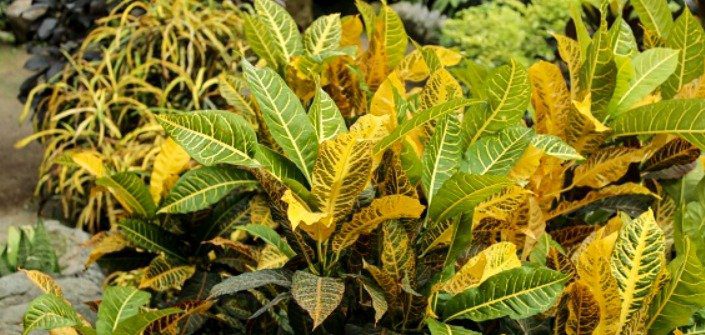
Here is a great video on saving dying croton plants. As you can see in the picture, the leaves are changing color and slowly losing vibrancy.
Yellow Croton Leaves FAQs
Croton plants aren’t the easiest to manage. As such, I will now answer some of the most frequently asked questions.
Should I cut yellow leaves off the croton plant?
When it comes to yellowing leaves on croton, you should always prune away any of the plant’s foliage that looks mushy and starts falling off the stem.
If your plant has root rot from being overwatered for too long, remove all of its rotted roots with sterilized scissors before letting it dry out and repotting in fresh soil.
Will too little light cause my croton leaves to turn yellow?
Yes. If your croton isn’t getting the sunlight it needs, its older leaves will start to turn yellow and drop off the stem because they can no longer perform photosynthesis – they’re too shaded from not getting enough sunlight.
Will too much water cause my croton leaves to turn yellow?
Yes, if your houseplant is overwatered, it will most likely develop root rot. If this happens to you, remove all of its mushy roots with sterilized scissors before letting the plant dry out and repotting in fresh soil.
Will yellow croton leaves turn green again?
No, it is highly unlikely that yellow croton leaves will turn green again. The good news is that these leaves can be pruned and new green foliage will grow. You can learn more here.
Conclusion
In conclusion, there are several reasons why your croton may be turning yellow. Make sure you’re watering it enough, and provide it with plenty of sunlight, and don’t cause unnecessary stress to the plant.
If you have any questions or concerns regarding your houseplant’s health, feel free to leave me a comment down below! I’ll do my best to get back to you as soon as possible. Thank You – Tim
LED lights are a type of light that has been growing in popularity. More and more people are using them to grow plants indoors. The question is, can I use a normal LED light to grow plants? Let’s find out…
Can I Use a Normal LED Light To Grow Plants?
Yes, you can use a normal LED light to grow plants. However, you may not get the same results as you would with dedicated LED grow lights that offer full-spectrum light.
First off, let’s talk about why these types of lights work so well for growing plants indoors.​
There are quite a few reasons actually… But firstly they produce very little heat compared to other lighting options, which means it will be easier for your plant to grow without being scorched or cooked.
Secondly, they have a longer lifespan than other types of lighting meaning it will be cheaper, in the long run, to use them as your source of light for growing plants indoors. And lastly, LED lights are very energy efficient, which is great if you don’t want to bump up your electricity bill too much!
LED Grow Lights Vs Regular LED Lights?
LED grow lights are better than regular LED lights because they emit electromagnetic radiation, which can be more closely resembled by what we get from our sun. As such, they are the best option for helping with photosynthesis and plant growth!
That said, it is possible to grow healthy plants with normal LED lights. However, you will likely need more of them and may have trouble growing some types of plants indoors.
Should I Use LED Grow Lights?
LED grow lights can be a great option for people who are looking to grow plants indoors. They are great for adding supplemental light to your houseplants, which will keep them alive and healthy.
They also work very well for plants that require a certain intensity of light, such as flowering plants and vegetables – they can help them grow to their full potential!
So yes! LED grow lights can be used for indoor gardening and will allow you to get healthier results than regular LED lights. If you have the money, then it would probably be better to invest in full-spectrum ones that closely resemble sunlight for the best plant growth effects.
However, if you don’t want or can’t afford LED grow lights, then it is possible to use regular LED lighting – just be prepared that it may take longer for your plant(s) to reach maturity.​
What Color Led Light Is Best for Plants?
When it comes to the best color LED for plants, the key is matching your plants’ needs with a light that has plenty of red and blue in order for them to grow taller. It’s also helpful if the light has some green and yellow hues.
While plants can grow under white light, it is not as important as other colors. It’s important to have just the right amount of each wavelength.
Are Purple Led Lights Good for Plants?
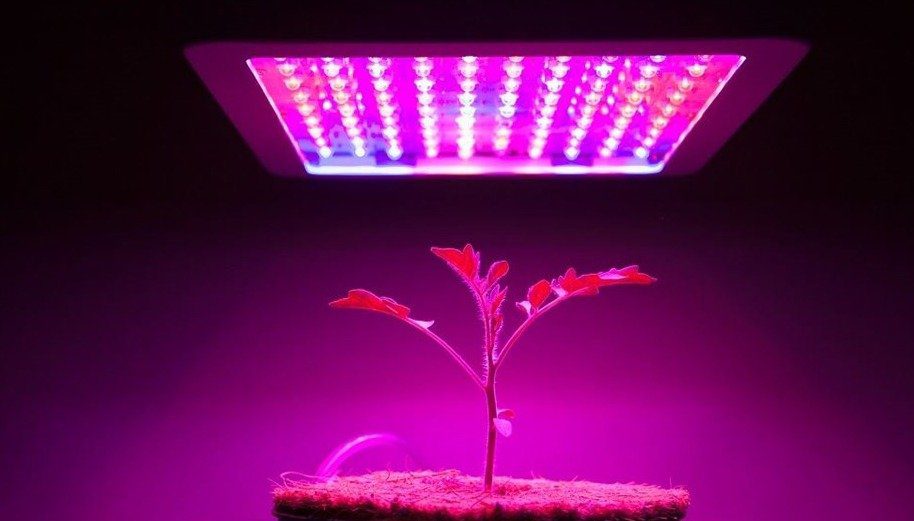
Yes, purple LED lights are good for plants. You can use them as a supplement to normal LED lights or even on their own with certain types of houseplants! This is why you see so many purple LED grow lights.
But it’s not just because they look cool – in fact, purple LED lights only isolate certain blue or red in order to benefit plants the most! Below are my favorite (Amazon link) grow lightsthat are purple.
Can I Use My Desk Light To Grow Plants?
Yes, you can use your desk lamp to grow plants indoors. In fact, it may be better than some other methods, such as fluorescent lighting that isn’t designed for growing plants indoors.
However, if you want the best results then it’s wise to invest in full-spectrum LED grow lights – they will help your plant(s) thrive and reach their maximum potential without too much effort from yourself.
What Should I Consider When Shopping for Led Grow Lights?
When shopping for LED grow lights it’s important to consider the type of growing you’ll be doing. For example, will you be using them as a supplemental light or your main source? How much money can you afford to spend and what do other people think about their quality and durability?
Also, take care when reading customer reviews – some might not understand how LED lighting works properly! And make sure that whatever brand/model of grow-light you go with is right for your specific plant(s)!
LED Grow Light FAQs
If you want to learn even more about LED grow lights, keep reading to learn some common questions people have when shopping for them!
What is the Best Wattage LED Grow Light?
It depends on what type of growing you’ll be doing. If it’s just plant maintenance then any wattage will likely do – although there are benefits to 300-400 watts, especially if you want your plants to reach their full potential. However, 800+ watt grow lights can work well with larger houseplants or even outdoor gardening! It all depends on how much money and time you’re willing to invest in your indoor garden/plant(s).
Where Can I Find Used Led Grow Lights For Sale?
Unfortunately, finding used LED grow lights isn’t easy since they tend to get broken often (at least minifigure scale ones). If you can’t afford new ones or can’t find any used LED grow lights for sale, then it’s possible to use regular LED lighting. However, you just need to be prepared that your plants may not reach their full potential!
How Long Will My LED Grow Light Last?
This will depend on certain factors such as wattage being used, what plants you’re growing, and how often it is used. Many LED grow lights last for around 50,000 hours so they should last a very long time – but keep in mind that this will be affected by certain factors such as wattage being used and if the light gets damaged!
Are CFL Bulbs Good for Growing Plants Indoors?
CFL bulbs are fine if they’re full-spectrum ones designed specifically for plants – however, many cannot produce enough light on their own without being supplemented by another form of lighting such as LED.
That said, it can be very difficult to grow plants with CFL bulbs even if you supplement them properly – but they might make a good temporary solution until you get something better!
Conclusion
In conclusion, it is possible to use LED lights as your source of light for growing plants indoors. However, if you want the best results, then you should really consider getting dedicated grow lights that emit full-spectrum light – like the ones found on this page.
I hope you have enjoyed this blog post and that you will check out some of the other gardening posts on my website.