by Gardener Tim | Sep 22, 2021 | House Plants
Soil is one of the most important factors in successfully keeping house plants alive. However, there are many different types of soil available on the market today.
If you’re wondering what type will work best for your calathea, then it’s time to do some research! Luckily, I have done the work for you…
In this article, I’ll be sharing what I know about the best soil for calathea and how you can ensure your plant will thrive. I even reveal my calathea soil recipe!
What Is The Best Soil for Calathea?
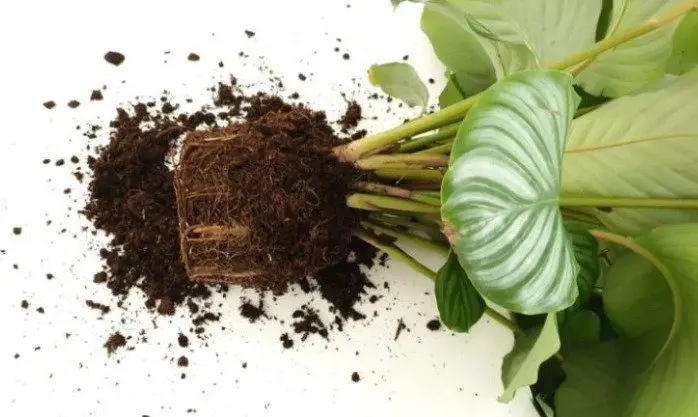
Calatheas will grow well in almost any soil. The soil your calathea prefers is not overly important – it just has to be rich, well-draining, and well-aerated. I like to mix 50% potting soil, 20% orchid bark, 20% charcoal, and 10% perlite.
This mix creates a good base for your calathea, provides plenty of aeration and drainage, and is rich in nutrients. I’ve used this mix for many years now, and it has been very successful for me.
Calathea Soil Mix Recipe
- 50% potting soil
- 20% orchid bark
- 20% charcoal
- 10% perlite
This mix is easy to create, requiring only a few ingredients that are available at your local garden center or online.
5 Signs You’re Using the Wrong Calathea Soil Mix
If you’re concerned about whether or not you’re using the correct type of calathea soil, I will now share with you some of the most common signs to look for. These are all warning signs that your plant isn’t happy, and it’s time to make a change!
If these things sound familiar, be sure to try out my calathea soil recipe I shared above. This should help get your house plants back on track in no time!
1) The soil is very dense
If the soil is so dense that it’s nearly impossible to pierce with your finger, then you need to make some changes! The calathea needs well-draining soil in order to prevent root rot and other problems. Otherwise, its roots will start just sitting there at the bottom of the pot until they dry out.
2) The soil is always wet
If you check your calathea’s soil and it feels soggy or wet, then this is a sign that the drainage isn’t good enough. Calatheas love well-draining soil, but they also need to be kept moist.
3) The leaves are changing color
If your calathea’s leaves are turning yellow, brown, or even black it’s a sign of several things. The main issue is likely that the plant isn’t getting enough nutrients from its soil to stay healthy and green.
Another common cause could be too much salt buildup in the soil – this can happen when you use softened water on your plants.
One last thing to look out for is if the soil has become toxic due to fertilizers or pesticides (especially insecticides) used near your plant’s roots. If this happens, you need to make sure that all traces of these chemicals are gone! It might be necessary to repot in the new calathea soil mix and start again.
4) The soil is starting to smell or rot
If you notice a strange smell coming from your plant’s soil, it may be time to make an immediate change. If the roots of your calathea start rotting or decaying, then they are also very unhappy since this means that there is no oxygen for them!
While these signs can all point to different causes, they all have something in common: the soil isn’t working for your plant anymore. So try my calathea soil recipe to see if that changes things!
5) Your calathea isn’t growing
If your calathea isn’t growing anymore, then this is a sign that the soil isn’t correct. There are many possible reasons for this, but the main thing to look at is if your plant has enough nutrients and water.
Calathea Soil FAQs
Calathea soil can be quite a confusing topic. As such, I will now answer some of the most frequently asked questions.
Do calathea like wet soil?
No, calathea plants dislike wet soil. Giving too much water to your calathea will result in root rot and brown leaves. The soil should be moist, but not overly wet. You can test this by sticking your finger in the soil up to halfway. If you feel moisture, leave it as is. But if there’s no wetness at all, then you’ll need to water a little more frequently.
You could also use a moisture meter! They are the best and most accurate way to test how wet soil is. Plus, they’re super cheap and easy to find.
When in doubt, just water your plant less! It’s better for your calathea if you give too little than too much.
Can I put coffee grounds in my calathea soil?
Yes, you can put coffee grounds in your calathea soil. Coffee is high in nitrogen and will provide this for your plant – which it needs! However, do not use more than about a teaspoon of coffee per gallon of soil as too much caffeine may harm your plant.
Do calathea like acidic soil?
Yes, calathea do like acidic soil. The ideal pH for your calathea is 6.5 as this is slightly acidic and will encourage your calathea to grow. You can test the pH of the soil by using a pH testing kit.
Can cactus soil be used for calathea?
While cactus soil can be used, it is not recommended. This type of soil is very coarse and will not hold much moisture. If you want to increase how well your soil drains, then add some perlite to your favorite potting mix.
Can I use Miracle-Gro soil for my calathea?
Miracle-gro is one of my favorite brands when it comes to planting products. Miracle-gro soil is great because it has all of the nutrients your calathea will need to stay healthy. It is also easy to buy from an umber of different sources. I get mine from Amazon here.
Can I use topsoil for my calathea?
No, topsoil shouldn’t be used as it is too dense. This means the soil cannot aerate or drain, which will result in the roots rotting. Keep it simple by following my soil recipe at the top of this post.
Can I use garden soil for my calathea?
No, garden soil is too dense and heavy for calathea. The soil will likely become too compact, which won’t let the roots of your calathea breathe and get the nutrients they need to thrive.
Conclusion
In conclusion, what soil you decide to use is not overly important. I recommend making a mix that has perlite to help improve drainage and aeration.
A good potting mix will contain all of the nutrients your calathea needs to grow, so buy a good potting mix from your local gardening store, or Miracle-gro.
If you have any more questions about soil for calatheas, then leave them in the comments section below and I’ll be sure to answer as soon as possible! You can also check out my other calathea posts, like this one Why Are My Calathea Leaves Curling?
by Gardener Tim | Sep 22, 2021 | House Plants
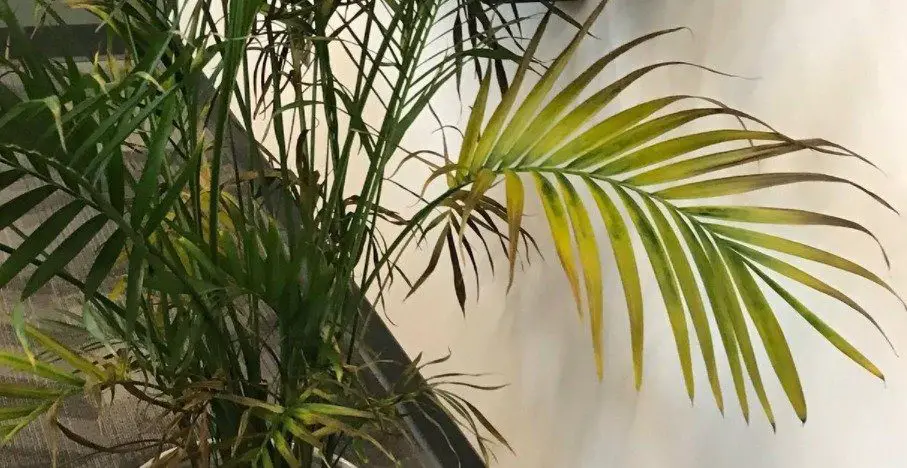
Are your cat palm leaves turning yellow? It may seem like a small problem, but it can be indicative of bigger issues. Read on to find out more about why the leaves are turning yellow and what you should do!
Why Are My Cat Palm Leaves Turning Yellow And Brown?
Cat palm leaves turning yellow when they have been given too much water, not received enough sun, or are suffering from stress. However, the most common reason for cat palm leaves turning yellow is overwatering.
Let’s explore these causes in more detail and what you can do about them.
Cat Palm Leaves Turning Yellow from Overwatering
If your cat palm leaves are turning yellow, the plant may be overwatered. The most common cause of this is when people water their plants too often and with too much water.
Despite many types of palms growing in marshy areas where they hold a large amount of water in their cells (the Cyperus genus), many people still give their palms too much water.
Perhaps it is because they are aware of this fact, so are constantly trying to avoid dry soil at all costs. However, the top layer of soil should be allowed to dry out before watering.
You see, although the top inch looks dry, the roots may be sitting in a pool of water, which brings us to our next point…
Always use pots with drainage holes! This allows the excess water to drain away from the roots, which will help prevent root rot.
Palms are very delicate and easily damaged plants that can’t grow well with tap water. The fluoride in the tap water is enough to kill them! Use distilled instead, and make sure the water is room temperature.
Cat Palm Leaves Turning Yellow from Too Little Sunlight
If your cat palm is suffering from too little sunlight, it will begin to become pale green. You see, cat palms need light to function properly.
Without it, they can’t produce chlorophyll in its full capacity. This means the leaves will be pale green and turn yellow over time if not given enough light.
If you have a cat palm indoors, this is probably why your leaves are turning yellow! The best way to fix this is by placing them near a window that gets sun regularly or increasing their sunlight exposure through artificial lighting (consider getting grow lights).
You can also use artificial lighting on your cat palm trees during the winter months indoors or if you want them to grow taller. Exposure to artificial lighting really helps my own houseplants in the winter.
Cat Palm Leaves Turning Yellow from Stress
If your cat palm leaves are turning yellow, it could be because they are being stressed out.
This often occurs when the plant is moved to a new location, which can cause shock and stress for them. It may also happen if you have tried hardening off the plant into direct sunlight too fast or other situations that put extra strain on the palms.
To fix this problem… do nothing! Any additional steps will increase the stress on your cat palm. Just give it time to adjust, and do not water or fertilize for a few weeks.
If you are moving houseplants around at this time of year (fall) then please be extra careful with them! This is when they will need the rest most after their journey into new homes while avoiding additional stress that can cause yellowing leaves in cats palms.
Yellow Cat Palm Leaves FAQs
Cat palm care isn’t the easiest thing to get the hang of, so you may have a few more questions. As a result, I’ve addressed a few of the most frequently asked concerns.
Should I cut yellow leaves off the cat palm plant?
Yes, you can remove yellow leaves from the cat palm. These leaves are old and dying anyway, so it’s best to remove them before the problem spreads.
However, if you are removing these leaves with your cat palm tree inside then be careful not to damage any of the stems or branches when doing this.
Is it normal for my cat palm to lose some of its lower leaves?
Yes, it’s perfectly normal for a cat palm to lose some of its lowest leaves. These are the oldest and dying anyway. As such, they don’t have any purpose anymore so you can remove them as well if they begin to look unsightly or yellow themselves.
Will too little light cause my cat palm leaves to turn yellow?
Yes, it is normal for too little light to cause cat palm leaves to turn yellow. If you are growing your palms indoors then this is likely why they look pale or have patches of yellow coming through.
Will too much water cause my cat palm leaves to turn yellow?
Yes, if a cat palm is exposed to too much water or humidity then the leaves will begin turning yellow.
Will yellow cat palm leaves turn green again?
No, it is unlikely that the cat palm leaves will turn green again if they’ve turned yellow. They are damaged beyond repair now and show signs of stress. The good news is that you can act to stop the other leaves from turning yellow.
Conclusion
In conclusion, there are many reasons why cat palm leaves turn yellow.
The most common cause is when people water their plants too often and with too much water, which makes the plant overwatered.
Use pots with drainage holes that prevent excess water from damaging the roots! Always use distilled instead of tap for better results as well – otherwise you’ll have fluoride poisoning your poor palms!
Finally, do not forget about getting grow lights if natural sunlight isn’t enough exposure for whatever reason! I hope you have enjoyed this article on my blog and have a better understanding of cat palm leaves turning yellow.
by Gardener Tim | Sep 22, 2021 | House Plants, Outdoor And Patio Plants
A calathea plant is a very striking houseplant with large, colorful leaves. Calatheas are native to tropical regions of South America and Southeast Asia, where command attention with their beauty. But sometimes their leaves don’t look so great. In fact, they can turn brown!
It is natural for calathea leaves to turn brown as they age, but there are also several other more serious reasons why this could be happening. Let’s learn more…
Why Are My Calathea Leaves Turning Brown?
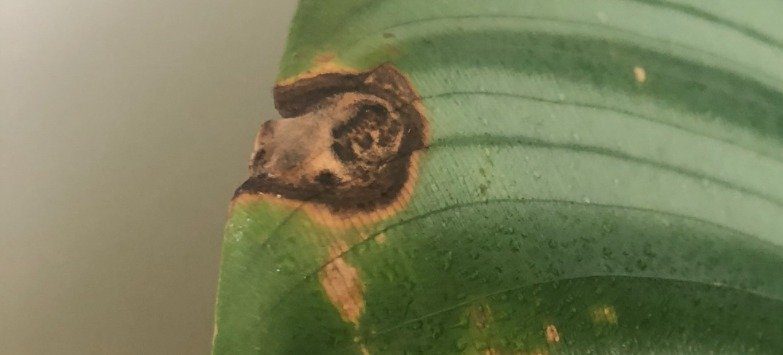
One of the most common reasons for browning calathea leaves is overwatering. This plant needs to be watered thoroughly and then allowed to dry out before watering again. If you notice that your calathea has turned brown because it was too wet, try cutting back on how often you water it and see if the color returns!
Root rot and fungal infections can hand-in-hand with overwatering. In fact, brown leaves can indicate that your plant is suffering from root rot and needs to be saved ASAP!
Another reason that your calathea leaves may be turning brown is because of the temperature and exposure to sunlight. If the plant has been exposed to extreme sunlight, it can cause discoloration of the leaf tips and margins.
I will now talk about what you can do to save your beloved plant…
Can I Revive Brown Calathea Leaves?
You can revive brown leaves by acting fast and giving your calathea the correct care. I will now go into how you can revive brown calathea leaves that are suffering due to a number of different reasons.
Reviving brown calathea leaves from overwatering
If the leaves are brown from overwatering, you should take the following steps to save your plant:
- Stop watering immediately.
- Re-pot your calathea and check for root rot.
- Use a pair of sterilized scissors to prune any black roots.
- Allow the plant to dry out in an environment that isn’t too humid.
- Once your calathea has dried out for several days (or even weeks), slowly introduce more light and water into its environment. Be careful not to over-water once again! Keep the soil moist but never soggy and stop fertilizing until new growth appears.
- If all goes well after two months of this routine, then congratulations: you saved your brown leaves! Calatheas are very resilient plants that often bounce back from neglect without too much damage done.
Reviving brown calathea leaves from sunburn
If your calathea has been exposed to too much sunlight, move it away from direct light sources immediately! Browning from sun exposure will usually go away if you re-position your plant, so keep an eye on how quickly this happens.
If there is no improvement after a few days, consider moving your calathea outdoors to a shady location that lets your plant breathe.
Reviving brown calathea leaves from fungal infection
You can revive a calathea that has brown leaves from fungal infection by using a fungicide, like neem oil. If you don’t know what neem oil is, it is a natural fungicide made from the seeds of an Indian neem tree. You can find it at most garden centers or order online!
Apply a generous amount of neem oil to the leaves, making sure that you get into all of those beautiful nooks and crannies.
If this process doesn’t work after one month or so, then I am very sorry but your calathea might have passed away… 🙁 But don’t give up hope just yet! Try propagating another leaf cutting from this exact same plant to see if it can be brought back to life….
How Do You Keep Calathea Leaves from Turning Brown?
You’ll want to avoid browning leaves in the future, right? You can do this by following the basic care instructions for a calathea plant.
First, make sure that your calathea is in a spot with the right amount of light. A plant will turn brown if it’s been exposed to too much or not enough!
Next, keep your calathea moist during the growing season by watering once a week. During winter dormancy you can water less often (every two weeks). In both seasons, only water when the calathea soil feels dry down an inch into its depth. Calatheas don’t like wet feet!
If you follow these basic care instructions, then your calathea should remain green and healthy!
Brown Calathea Leaves FAQs
You may have a few questions about your browning calathea, so I will answer some of the most frequently asked questions on this topic.
My calathea leaves have brown spots, is this a fungus?
Brown spots often indicate fungus, incorrect watering, or sunburn. If the leaves feel damp, then it’s highly likely that your calathea has a fungal infection. Use neem oil to save your plant!
My calathea leaves have brown tips, what’s wrong with them?
Browning at the leaf tips of a calathea could mean that they’re dried out. This often happens when the plant has received too much sunlight, which happens every summer across the world.
Should I re-pot my calathea with brown leaves?
Re-pot your calathea if the leaves are brown due to overwatering or fungal infection. This is the best way to check if your plant has root rot and tackle the issue asap.
Why are the brown leaves on my calathea falling off?
Plants drop brown leaves when it’s time for them to go. These leaves are dead and there is no saving them, so just let them fall off naturally.
Conclusion
In conclusion, there are several reasons why your calathea leaves may be turning brown. These include overwatering, sun exposure, and fungal infection! You can revive a plant or at least save it by following some basic care instructions.
It’s important to avoid this happening again in the future by following these care instructions, such as only watering when the top inch of soil is dry and positioning your calathea in the right amount of light. If your plant is also turning yellow, then also check out my article on that.

by Gardener Tim | Sep 22, 2021 | House Plants
Many people are surprised when their calathea starts to turn yellow. After all, they have been caring for it just as they should! The truth is that there are many things that can cause a leaf on your calathea to turn yellow. We will discuss the most common causes below and offer advice on how you might fix them.
Why Are the Leaves on My Calathea Turning Yellow?
Calathea leaves usually turn yellow because of overwatering or not receiving enough sunlight. The plant can also become stressed and start to turn yellow if it is moved or disturbed.
Let’s explore the most common causes of yellowing leaves on a calathea and what you can do about them.
1. Overwatering
If the leaves on your calathea are turning yellow from being overwatered, you need to reduce the amount of water that is going into it. This means getting rid of any standing water in its dish and not watering it for a few days until things turn around.
Overwatering is a serious problem because it can lead to root rot. If you overwater your calathea, it will begin to lose its leaves and eventually die if not treated quickly! Overwatering can also cause calathea leaves to turn brown.
So while yellow leaves can seem bad, they are a warning sign that things could get a lot worse if you don’t take action immediately. I recommend creating a strict watering schedule and only giving more water when the top inch of your calathea soil is dry.
2. Too Little Sunlight
Calahea leaves turning yellow from a lack of sunlight is generally not as serious because it can be fixed quickly. All you need to do is place your calathea in a brighter area and make sure that its soil doesn’t dry out too much.
You see, calathea are rainforest plants, so they receive dappled light on a daily basis. Keeping them in a dark corner will make your calathea sad and yellow.
If your calathea is inside, you may even want to use grow lights to give it the lighting that it needs. For most people, this is an easy fix! In fact, I use grow lights (Amazon link) on nearly all of my houseplants during winter.
The best grow lights for calathea plants are full-spectrum and come equipped with a hanging kit. Full-spectrum means they emit a wide range of lights that are perfect for growing plants. You can use regular incandescent or CFL bulbs, but they don’t emit the right kind of light and won’t do much for the yellow leaves.
3. Stress
If your calathea leaves turn yellow after moving it or touching its soil, don’t worry! This is actually completely normal and should go away within a few days. The reason this happens is that these plants like to be untouched as much as possible (especially when they are younger).
So if something scares them too badly, their first reaction will be to drop some of their leaves. You can help make sure that this doesn’t happen by never disturbing the roots of your calathea and not repotting it unless absolutely necessary. Calatheas also need room for their roots so always use a pot that is at least two inches wider than the one it came in.
These tips should help you get rid of any yellow leaves on your calathea and keep them looking healthy for years to come! If these problems continue, consider using a fertilizer with micronutrients or adding some mulch around the base of your plant.
Yellow Calathea Leaves FAQs
Calatheas are confusing plants, so you may have a few more questions. As such, I’ve answered a few of the most frequently asked questions.
Should I cut yellow leaves off the calathea plant?
Yes, you should cut off any yellow leaves. As long as you do not remove too many, the plant will be fine and new leaves will replace the old ones, as long as you cut above the leaf node.
Is it normal for my calathea to lose some of its lower leaves?
Yes, your calathea is probably just shedding older foliage in order to make room for newer growth. It can look a bit unkempt because all plants naturally grow this way!
Will slugs cause yellow calathea leaves?
No, slugs are not responsible for yellow calathea leaves. However, the slime they leave behind may be very difficult to remove without damaging your plant!
Will too little light cause my calathea’s leaves to turn yellow?
Yes, if the plant does not get enough sun its foliage can begin turning yellow and dropping off. This will continue until the plant is given more light. That’s why it is important to keep your plant in a bright area, but not from direct sunlight.
Will too much water cause my calathea leaves to turn yellow?
Yes, excessive watering can cause your calathea leaves to turn yellow and even fall off. Be sure not to water the plant more than once every week or so, depending on how fast it dries out!
Will yellow cathalea leaves turn green again?
No, usually a yellow calathea leaf will not turn green again. Although this is sad to hear, you can still prevent other leaves from turning yellow by taking action. Follow the tips in this guide to prevent any more leaves from turning yellow.
Conclusion
In conclusion, you can prevent yellow calathea leaves by making sure that your plant gets enough sunlight, is not overwatered, and does not get stressed. This may take some time to achieve if you are new to using this plant in the home!
I hope I’ve helped clear up any confusion about why your calathea keeps turning yellow on you! If anything’s unclear or if you have more questions, please do leave them down below so we can discuss 🙂
by Gardener Tim | Sep 22, 2021 | House Plants, Outdoor And Patio Plants
The calathea plant is a beautiful, exotic-looking houseplant that can be grown in many different areas of the world. But if your leaves are starting to curl, it may be time for some troubleshooting!
There are a few things you should check before assuming this is a problem you can’t solve. Read on as we discuss what might cause curling calathea leaves and how to fix the problem.
Why Are My Calathea Leaves Curling?
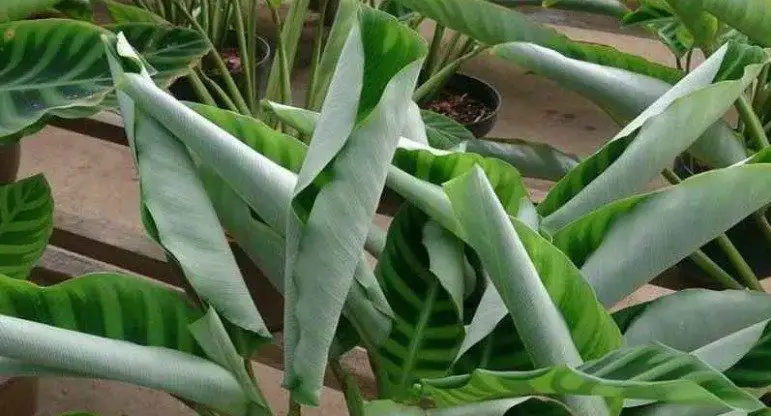
Your calathea leaves are curling because it is likely that you are given them the wrong amount of water. Calathea plants hate soggy soil. If the leaves are curling, it is likely that you have over-watered your plant and allowed water to accumulate in its pot.
The other cause for calathea leaf curling could be related to temperature. The optimal temperature range should run between 60-75 degrees Fahrenheit, so make sure it falls within that range, and try not to place them in areas that experience cold wind or dry heat.
How Do I Stop My Calathea from Curling?
You can stop your calathea leaves from curling by attacking the root cause of the issue. Here’s how to do that:
Calathea leaves curling from overwatering
The first step you should take in this case is to stop watering your plant as frequently. It’s important to let the soil dry out for a week or so before watering again.
When it is time for another drink, make sure the water drains from the bottom of the pot. In fact, using a pot with drainage holes is very important.
You may also want to make sure the soil is well-draining by adding some perlite to the mix. This will help the water escape, instead of pooling at the bottom.
If you need help with identifying how often your calathea needs water, consider purchasing an electronic moisture meter that gives accurate results. This is the best way to avoid any future problems with watering your calathea.
If those steps don’t work then move on to pruning or repotting your calathea plant. The roots might be rotted due to overwatering, so they won’t absorb as much water as they should. Simply use a pair of sterilized scissors to cut off any mushy or rotting roots.
Calathea leaves curling from underwatering
This is typically shown by leaves that curl inwards, which is done to trap as much moisture inside as possible. The best way to stop your calathea from curling due to underwatering is by giving it a good soak.
You should soak the entire plant in a bucket of water and let it sit for about 30 minutes.
After that, be sure to drain all excess moisture from your calathea’s pot before placing back on its decorative tray. The last thing you want is stagnant water sitting at the bottom of your planter! If this happens, the roots will rot and eventually cause irreversible damage to your beloved houseplant.
Calathea leaves curling from heat stress
If extreme heat is what’s causing the leaves of your calathea to curl upwards, you should take steps to cool down your calathea. The best way to do this is by moving it somewhere with lower temperatures and more shade – like an eastern-facing window or under a plant cover (for example, using the Sunbrella fabric).
If you don’t have access to either of those options then simply move your potted calathea outdoors for some fresh air. Just make sure that’s only during cooler months – if left outdoors during peak temperature, even when shaded, there is still a possibility that your leaves will burn!
The bottom line? Calatheas are beautiful plants but they require certain conditions in order to flourish. It might be difficult at first getting used to caring for these specific types of indoor plants but if you follow the steps laid out here, it should become second nature in no time!
Calathea Leaf Curling FAQs:
Calathea plants are complicated. As such, you may have a few more questions about curled calathea plants. Hopefully, the following frequently asked questions will help you!
Should curled calathea leaves be pruned?
No, there is no need to prune your curled calathea leaves. Calatheas are slow-growing, so it’s best to just keep an eye on the curling problem and only remove damaged leaves if they are dead.
Will curled calathea leaves uncurl?
Yes, as long as the cause of curling calathea leaves has been dealt with, they should uncurl. If you’ve corrected issues such as root rots or underwatering then over time your plant will recover and its leaves may stop curling!
Is curling calathea leaves a sign of disease?
Curling calathea leaves are usually the result of overwatering or underwatering. This curling isn’t a sign of any type of plant disease, so it doesn’t need to be treated as such.
Is curling calathea something to worry about?
Curling calathea leaves are a sign that something is wrong with your plant. However, curling isn’t too much of an issue if you start following the basic care guides for calatheas.
Do I need to repot my curled calathea?
Only if you suspect your calathea is suffering from root rot. If not, avoid repotting your calathea plant since you can cause unnecessary stress to your plant.
Curled leaf tips have turned brown; what do I do?
Browning at the ends of curled leaves is a sign that your plant might be getting too much water (or may already be rotting), in which case you should follow the advice listed above for stopping over-watering.
If you can also identify signs of root rot, then simply repotting into fresh compost to save the plant.
Conclusion
In conclusion, if you’re wondering why your calathea leaves curling, it’s most likely due to one of three main causes. Make sure that your plant is receiving the right amount of water and that its humidity range falls within acceptable limits, make sure not to overwater or underwater, and don’t place in drafty areas.
Moving forward, it’s important to give your plant the correct care for its needs. This means looking up your specific variety to see what temperature and humidity range it needs, as well as the amount of water that it requires.
The most important rule is to only give water when the top inch of soil is dry. You can test this by dipping in your finger or using a moisture meter.
I hope that this article has helped you understand why your leaves are curling and what steps to take to fix them.