by Gardener Tim | Oct 3, 2021 | Plant Care
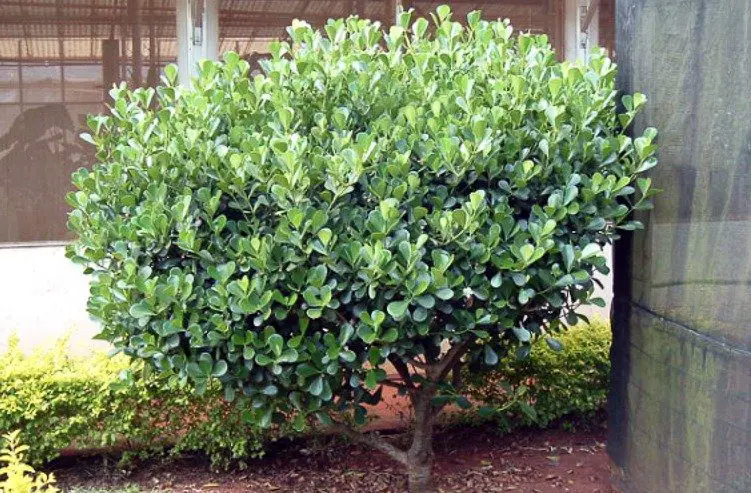
Clusia leaves can be a beautiful addition to any garden if they are green. However, many people have noticed that their clusia leaves have turned yellow and this is often a cause for concern. In the following article, we will explore why this has happened as well as what you can do about it!
Why Are My Clusia Leaves Turning Yellow?
Your clusia leaves are turning yellow because the plant has been overwatered, it hasn’t received enough light, or the environment is causing stress.
Let’s now explore the most common causes of yellowing leaves on a clusia and what you can do about them.
Yellow Clusia from Overwatering
Clusia plants are native to areas with hot, dry climates. As such they do not like having wet feet and will suffer if the soil is constantly moist or soggy.
If this is your situation, then you need to improve drainage around the plant by adding more coarse material at the bottom of planting holes so that excess water can flow away easily.
You should only water the plant when the top inch of the soil is dry. This will help to prevent your clusia leaves from turning yellow. You can test the soil by sticking your finger in to see if it is dry or not.
Alternatively, you can use a moisture meter to check the soil’s moisture levels. This is the most accurate way to know when to water your plant.
It’s important to act quickly if root rot is present. Start by removing any dying or dead roots and discarding them away from all plants to prevent infection. The next step is to re-pot your clusia into a new pot with fresh soil.
You should then treat your clusia with a fungicide to prevent secondary infections from occurring as well as provide nourishment for the regrowth of healthy roots.
Yellow Clusia Leaves due to Lack of Light
Clusia need at least six hours of sunlight each day to thrive, so you must place them in an area where they will receive plenty of light without any obstacles blocking the sun. The plant should be positioned at least four feet away from walls and fences to avoid casting a shadow over it.
If necessary, move or prune surrounding trees and shrubs so that there is nothing shading the plant during the summer months when it is in full growth.
Using grow lights is another solution if your clusia is indoors. They are cost-effective and easy to use, but you will need a grow light stand too. I use them for all of my indoor plants, especially during the winter months here in the UK.
When using grow lights, be careful not to place them too close to the plant. If you do, it could cause the leaves to burn and become brown – oops!
Yellow Clusia from Stress
Clusia are very sensitive to environmental stress. For example, they will struggle in areas that often experience extreme temperatures, such as winter lows of -20 degrees Celsius or summer highs above 35 degrees Celsius.
Also, the plant does not like being moved around at all and might show signs of distress if it is relocated suddenly after growing for several years in the same place.
Many plant owners make the mistake of repotting their stressed plant, which makes things worse.
If your clusia is in the correct spot and you have ruled out over-watering and lack of light, then it’s time to consider other possible causes for yellow leaves on a plant that are stressed from its environment.
In this case, check whether there has been any recent work done around the garden or area that could be having a negative effect on the plant. For example, construction work or even your neighbor’s DIY projects and activities can cause environmental stress which results in yellow clusia leaves too.
Clusia Leaves FAQs
Clusia plants aren’t the easiest to look after. As such, I will now discuss some of the most frequently asked questions when it comes to yellowing leaves.
Should I cut yellow leaves off my clusia?
Yes, yellow leaves can be removed from a clusia plant by cutting them right down to the base of their stems. This will encourage new growth and give your plant an overall neat appearance for summertime.
Is it normal for my clusia to lose some of its lower leaves?
Yes, clusia naturally shed their lower leaves in springtime to make way for new growth. However, if the plant loses too many of its older leaves or you notice that other parts are turning yellow then it may be receiving inadequate light levels.
Will too little light cause my clusia to turn yellow?
Yes, clusia plants need at least six hours of indirect sun every day. If they are not receiving enough light, then their leaves will turn yellow and eventually drop off the plant completely.
Will too much water cause my clusia leaves to turn yellow?
Yes, clusia prefer their soil to be well-draining, so water them only when the top inch of soil is completely dry. This will prevent the roots from becoming waterlogged and rotting, which can cause yellow leaves too.
Will yellow clusia leaves turn green again?
No, it is very unlikely for yellow leaves to turn green again. The good news is that the plant will grow new green leaves as soon as it is placed in a suitable environment.
Conclusion
In conclusion, yellowing leaves on a clusia plant can be caused by many things, such as insufficient light levels and environmental stress.
However, if you follow this guide and make sure that the plant is in the best possible position for its location and needs, then hopefully it will recover soon enough.
Thank you for reading my blog post today about yellowing leaves! I hope that you found the information useful. If so, please share it with your friends on social media.

by Gardener Tim | Oct 3, 2021 | Plant Care
No one wants to see their Clusia leaves turn brown. These trees are usually known for their deep green color, not the yellow-brown hue that they take on when they start to die off. There are many reasons why your tree might be turning brown.
In this article, we cover the main reasons for clusia leaf browning and what you can do to fix the problem.
Why Are My Clusia Leaves Turning Brown?
Your clusia leaves are turning brown as a result of overwatering or leaf burn. While burnt leaves will be dry and crispy, brown leaves from overwatering tend to be moist.
I will now go into more depth about these two problems. By the end, you should be able to diagnose the issue with your plant and fix it with just a few steps.
Brown Clusia Leaves from Too Much Water
The first thing that many people notice when they have an overwatered plant is brown or yellow clusia leaves. This happens because too much water leads to root rot and the plant starts to die.
The solution here is simple: stop overwatering your clusia! If you see that its leaves are turning brown, it means that the roots have already started dying off. When this happens, they can no longer take in nutrients or water from the soil.
I recommend only watering your clusia when the top few inches of the soil are dry. This will ensure that water does not build up around the roots and cause root rot.
Generally, this will be every few weeks during dry spells. This is because the clusia is drought-tolerant, so doesn’t need much water to thrive or survive.
If you live in an area that gets a lot of rainfall, then the situation may be different. You should only water your clusia when it looks like it is drying out or starting to wilt.
Brown Clusia Leaves from Too Much Direct Sunlight
Another reason for brown leaves could be too much sunlight exposure. While the direct sun can help many plants grow faster and bigger, they are not used to large amounts of light at once. This leads to leaf burn which causes them to turn yellow-brown before dropping off completely.
To fix this problem, make sure that you’re giving your plant enough shade during daytime hours. If there isn’t enough foliage around to protect it from direct sunlight, consider building a temporary structure out of a tarp to protect the plant.
Brown Clusia Leaves FAQs
Clusia are complicated plants that take a while to get used to. As such, I will now go over some of the common questions regarding brown leaves on clusia.
Will brown clusia leaves turn green again?
No, it is unlikely that your clusia leaves will turn green again. If the damage has already been done, then it is too late to save them from turning brown and dying off completely. The good news is that new leaves will be green if you take care of your plant.
Can clusia leaves turn brown and green at the same time?
Yes, it is possible for some areas on a leaf to be green while other parts are browning off. This can happen if you have burnt or dead areas that are next to healthy foliage. It could also mean that there was an insect infestation that has now been dealt with successfully.
Should I remove brown leaves from the clusia plant?
Yes, prune all brown leaves off the clusia. This will help ensure that no further damage is done to your plant and it can focus its energy on growing new foliage instead of trying to fix old issues.
Will too much water cause the clusia to turn brown?
Yes, there are very few plants that don’t have some sort of reaction to excess water. If your clusia is turning brown, it means that the roots are starting to rot off, which will negatively affect its health in the long run.
Why are my clusia leaves wet?
This is because your clusia has gotten too much water. As mentioned above, this is not good for the roots and it will cause them to rot off in time. Wet leaves typically lead to fungal infections, which can result in the death of your clusia, as well as other nearby plants! Tackle fungal infections by using fungicides on your plants.
Will direct sun cause clusia leaves to turn brown?
Yes, direct sunlight can cause clusia leaves to burn up and turn brown. This is especially true if the plant is not used to being in direct sun for extended periods of time.
If you’re experiencing this problem, consider moving your clusia into a shadier area where it will be protected from harsh rays but still receive enough light to survive on its own.
Conclusion
In conclusion, your clusia leaves can turn brown for many different reasons. Overwatering and leaf burn are the two most common, but you should also consider if your plant is infected or has been infested by bugs.
I hope that this article has answered all of your questions and that you know how to take care of your clusia plant. If not, leave a comment down below with any other problems or concerns.
by Gardener Tim | Oct 1, 2021 | Plant Care
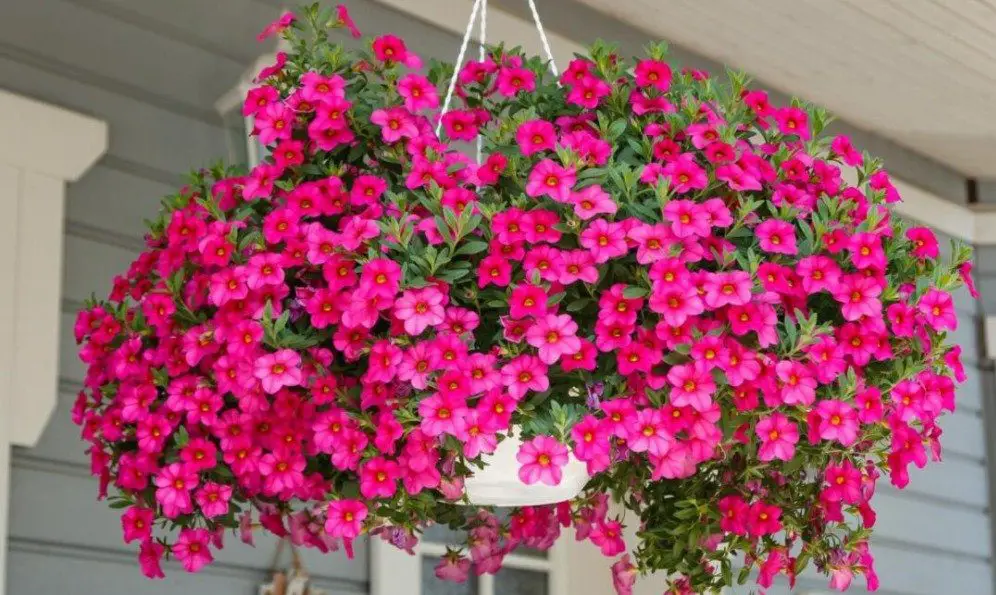
Calibrachoa is a beautiful flower that can make any garden pop with color. They are also one of the most popular flowers in North America and Europe.
But, what many people don’t know is how often to water a calibrachoa plant. This blog post will teach you how to take care of your calibrachoa so they remain healthy and happy!
How Often to Water Calibrachoa?
Calibrachoa plants need to be kept in moist soil, but never soggy soil. Generally, you should water a calibrachoa every week, but it depends on the environment and temperature as you might have to water it more often during summer heatwaves.
Can I Give Tap Water to My Calibrachoa?
You can, but it’s recommended to use water that has been filtered or distilled. If you do decide to give your calibrachoa tap water, be sure not to overdo it as the chlorine in the water can burn off its leaves and cause damage.
Can I Use Cold Water on My Calibrachoa?
No, you should never use cold water on calibrachoa. The sudden change in temperature will shock the plant and cause damage to its leaves and stems. A good idea is to leave water overnight to let it come to room temperature before you water your calibrachoa.
What is a Good Drainage for Calibrachoa?
Calibrachoa needs very good drainage as water builds up easily in their soil, causing root rot or mold growth. If you notice your flower sitting in stagnant water it means they don’t have proper drainage.
You can add rocks at the bottom of pots so that excess liquid drains easier without staying too long inside of them, which allows roots to get moist but not wet!
How Much Water Should I Use on My Calibrachoa?
Water thoroughly, but don’t keep your calibrachoa standing in water as they need to drain excess liquid. This means you should give the plant a lot of water until the soil is completely wet, but then allow water to drain from the bottom to avoid root rot.
Can I Use Distilled Water on My Calibrachoa?
Yes you can use distilled water on your calibrachoa, but it’s recommended that you use filtered water instead. Distilled water is too flat for calibrachoa, which means your plant might not get the nutrients it needs to thrive. However, many plant owners use distilled water with no issues.
Can I Use Filtered Water on My Calibrachoa?
Yes, filtered water is a good option for calibrachoa. It’s what I use on all of my plants. If you don’t have access to filtered or distilled water, it’s okay to use tap water as long as the chlorine in it has been neutralized by letting the water sit out overnight before using it on your flowers.
What Happens if I Overwater My Calibrachoa?
If you water your calibrachoa too much they may develop root rot, which can cause all kinds of damage to the plant. If this happens, you need to act immediately! Start by removing the affected plant from its pot and gently removing all the soil around it.
Then, cut off any soft or mushy roots with a clean knife to reduce the damage done by rot spreading through your flower’s root system.
After you have removed any damaged parts of the root system, transfer calibrachoa into new fresh soil in a different container that has good drainage holes at the bottom! Be sure not to add too much water right away as this can cause mold growth on your flowers – just enough so that there is still some moisture left over after 30 minutes.
What Happens if I Underwater My Calibrachoa?
If you underwater your calibrachoa, the plant’s leaves will start to look yellow and wilted. This is a sign that they aren’t getting enough water!
If you notice this, it’s important to act quickly before the flowers start drooping and eventually die. The solution is to soak the plant in water until the soil is completely soaked. Then, let the excess water drain out before you add more to keep roots from sitting in stagnant water too long and developing root rot!
Conclusion
In conclusion, calibrachoa needs to be watered thoroughly but not left sitting in water for too long. Use filtered or distilled water (never cold!) and give them lots of it at once until the soil is completely soaked!
Be sure not to overdo it with regular tap water as chlorine can burn off leaves, so only use this if you have let it sit out overnight before watering your plant.
I hope this blog post answered your questions about watering a calibrachoa and you are able to keep your plant happy and healthy! If so, make sure to check out my other blog posts on these beautiful plants.
by Gardener Tim | Oct 1, 2021 | House Plants
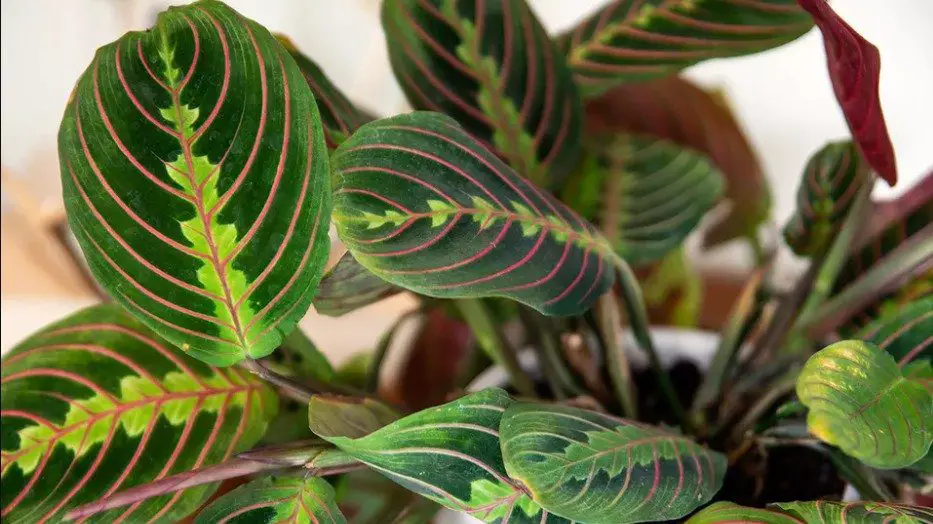
A common question people ask is how often they should water their prayer plant. The answer to this question really depends on where you live, the size of your prayer plant, and how much light it receives.
However, there are some general guidelines that will help determine when it is time to give your prayer plant a drink of H2O. Let’s jump in…
How Often To Water Prayer Plant?
Generally, it’s best to water a prayer plant once a week, but it depends on the size of your plant, how much light it receives, and where you live.
The amount that needs to be watered also depends on the type of potting soil used, as well as whether or not you are using an irrigation system like drip lines.
The best way to know when to water a prayer plant is to test the top 25% of soil and see if it’s dry. You can do this by sticking your finger down about two inches. If it’s dry, you should water the plant! If not, then don’t worry about it for now.
Can I Give Tap Water to My Prayer Plant?
No, giving tap water to a prayer plant is not recommended. The reason for this is because tap water contains chlorine, fluoride, and other chemicals that are bad for your plant over time.
We recommend using distilled or purified water instead of tap water in order to keep the prayer plant healthy!
Can I Use Cold Water on My Prayer Plant?
No, you cannot use cold water on a prayer plant. Coldwater can be harmful to the leaves and roots of your prayer plant because it will cause shock. The roots can become damaged and the plant will not be able to absorb nutrients as efficiently.
If you need to use cold water, make sure it’s room temperature before watering your prayer plant! You should also avoid using ice cubes because they have a similar effect on the leaves and roots of your praying plant.
How Much Water Should I Use on My Prayer Plant?
You should use approximately one or two cups of water when watering your prayer plant. As with most houseplants, you want to avoid overwatering and underwatering because both can lead to the death of the leaves.
If your praying plant is in a small pot then it’s best that you give just enough water until excess liquid comes out from the bottom of the pot.
If you notice that there are no drainage holes in your planter, then slowly pour about half an inch at a time into each container so that excess liquid doesn’t come out onto furniture nearby.
Can I Use Distilled Water on My Prayer Plant?
Yes, you can use distilled water on a prayer plant. Distilled water is one of the best ways to keep your plants and soil hydrated because there are no chemicals or minerals that will harm the roots and leaves over time, as tap water has.
This allows you to be able to give your praying plant as much H20 as it needs without worrying about damaging its roots or leaves!
What Happens if I Overwater My Prayer Plant?
If your prayer plant is overwatered, there are some side effects you will notice. For example, the leaves of the praying plant may become yellow and droopy.
This happens because too much water can lead to root rot or fungus that makes it difficult for oxygen in the soil to reach the roots!
When root rot is present, it is important to act quickly by removing the plant from its pot and letting it dry out. Any rotten roots should be pruned and discarded. The final step is to repot the prayer plant into fresh soil that drains well.
What Happens if I Underwater My Prayer Plant?
Underwatering is also very bad for an indoor prayer plant because they need water every week in order to maintain health and avoid dying out completely.
The main way that underwatered plants shows signs of distress is when the leaves start to wilt. If you notice your praying plant’s leaves turning slightly crispy and brown, then it could be because it needs water!
If the problem is not resolved, then chances are that all of the leaves will eventually die out before falling off completely in order to conserve energy for newer growths.
Save your underwatered prayer plant by soaking the entire root system in water for 30 minutes. After the soaking is done, you should then give your plant a big drink of H20 and let it drain completely before placing it back into its planter!
Conclusion
In conclusion, when it comes to how often you should water your prayer plant, follow these suggestions to keep your prayer plant happy and healthy!
As a reminder, you should never use cold water on your plant, as this can damage the roots and leaves! Be sure to also avoid using ice cubes because they have a similar effect.
Oh, and always use distilled or purified water instead of tap water if you want to make sure your plant is the healthiest it can be.
Thanks for reading!
by Gardener Tim | Oct 1, 2021 | Plant Care
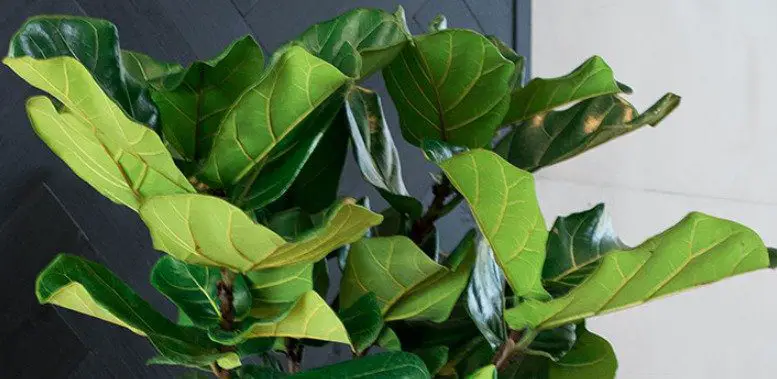
The fiddle leaf fig is one of the most popular plants around. It’s easy to grow, it has a beautiful appearance, and it smells amazing! However, not everyone knows how often they need to water their fiddle leaf fig.
In this article, we’re going to look at how often you need to water your fiddle leaf fig.
How Often To Water Fiddle Leaf Fig?
Generally, it’s best to water a fiddle leaf fig every 7-10 in summer and water a fiddle leaf fig every 14-21 days in winter. The most accurate way to test this is with a moisture meter or by sticking your finger into the top inch of the soil.
If the top few inches are dry, then it’s time to water your fiddle leaf fig. If you would rather not use your finger to do this, then moisture meters offer a cleaner alternative.
Can I Give Tap Water to My Fiddle Leaf Fig?
Only give tap water to your fiddle leaf fig if you can dechlorinate it first. You don’t want to give your fiddle leaf fig chlorine or fluoride because they are both deadly for plants!
If you want your plant to thrive, tap water should be avoided. The last thing you want is to kill your lovely fiddle leaf fig because you gave it water that had chlorine and fluoride in it.
If you live near a river, stream or lake then give this water to your plant as the chemical composition of these waters is usually perfect for plants! If not, use filtered tap water with dechlorination drops added if necessary.
Can I Use Bottled Water on My Fiddle Leaf Fig?
Bottled water is ideal, but you need to make sure that the brand of bottled water that you use isn’t fluoridated. If not, then this will work perfectly fine too. Just stick with one brand so that you know how much fluoride and other minerals your fiddle leaf fig has had during its life cycle.
Can I Use Cold Water on My Fiddle Leaf Fig?
No, using cold water will shock your fiddle leaf fig and inhibit its ability to absorb water. It’s best to use room temperature water, which can be achieved by running the water for a few minutes before giving it to your plant or leaving it out overnight.
Failing to do this will result in your fiddle leaf fig leaves turning yellow and falling off, so make sure to consider the temperature of the water.
How Much Water Should I Use on My Fiddle Leaf Fig?
Water your fiddle leaf fig until the soil is saturated with water. This means that the water has run through all of the soil and reached its final resting place (flowing from the bottom of the pot).
When this happens, your fiddle leaf fig will be watered properly and won’t experience any problems with underwatering. However, only do this when the soil is dry, as adding more water when the soil is already moist will cause root rot and other issues.
Can I Use Distilled Water on My Fiddle Leaf Fig?
Yes, distilled water is fine to use on your fiddle leaf fig, but it’s important that you don’t overdo it. Distilled water that lacks minerals may cause yellowing and other problems for your plant if used too often.
However, at least it doesn’t contain fluoride, which is the most important factor when deciding what water to give your fiddle leaf fig.
Can I Use Alkaline Water on My Fiddle Leaf Fig?
Yes, alkaline or mineral-rich waters are perfect for giving your fiddle leaf fig an extra boost! This is especially true when you’re using bottled water, as these types of waters tend to be heavily saturated in all sorts of useful nutrients.
However, keep an eye out just in case there’s a problem with any particular brand of bottled water due to its high levels of fluoride or chlorine content. Only give your fiddle leaf fig alkaline water if you’re sure that the brand is safe to use.
What Happens if I Water My Fiddle Leaf Fig Too Much?
Overwatering a fiddle leaf fig is the most common mistake that growers make. If you give your fiddle leaf fig too much water, then it will cause root rot and yellow leaves.
While the yellow leaves are a bad sign, root rot is the biggest problem with overwatering. It can result in your fiddle leaf fig dying if you don’t take action.
You can save your fiddle leaf fig from root rot by taking the plant out of its pot and removing all of the soil. Next, prune any rotten roots and discard them away from all plants to avoid fungus.
Clean up any residue moisture on the surface with a wet towel, then allow your fiddle leaf fig to air dry before repotting it into fresh new soil that has been mixed with perlite or sand.
To avoid problems with root rot in the future, make sure to follow a strict watering schedule and use a pot with drainage holes. This means that you should only water your fiddle leaf fig when the soil is dry.
What Happens if I Underwater My Fiddle Leaf Fig?
Underwatering a fiddle leaf fig can result in wilting leaves and yellow spots on its leaves, but it’s not too difficult to fix! If this happens to your plant, then it’s time to water your fiddle leaf fig.
Allow the underwatered fiddle leaf fig to sit in a bath of water to fully saturate the soil with water. This will remove any air pockets in the soil, allowing your fiddle leaf fig to absorb water more easily.
Once it can’t soak up any more water, remove the plant from the bath and allow it to sit for about an hour before allowing the water to drain from the bottom of the pot.
Afterward, you shouldn’t have any problems with underwatering again.
Conclusion
In conclusion, how often to water a fiddle leaf fig depends on its location and what time of year it is. You should always consider the temperature of the water as well!
Follow these tips and you should be able to avoid common mistakes that most growers make when it comes to watering fiddle leaf figs.
I hope that you’ve learned a lot about how to take care of your fiddle leaf fig after reading this post! If so, please do check out my other posts on this amazing plant.