by Gardener Tim | Oct 1, 2021 | Plant Care
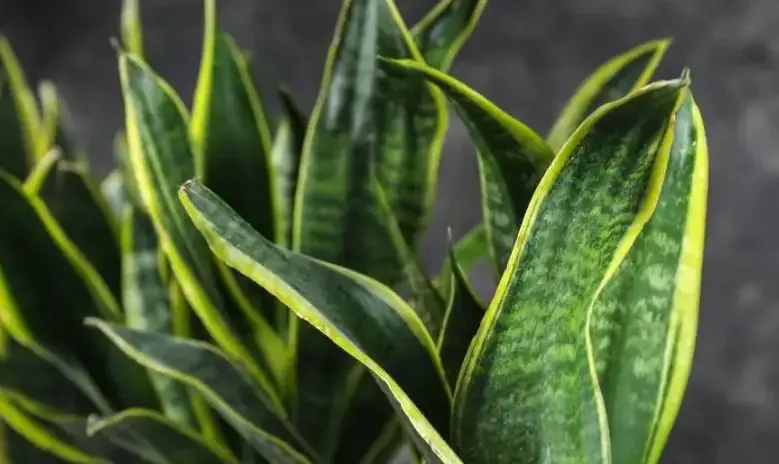
Watering snake plants can be a difficult task for many people. We know that you want the best for your snake plant, but it can be hard to find out how often they need water.
Luckily, we have some tips on finding the answer! Keep reading to learn about the different watering schedules and what will happen if you overwater or underwater your snake plant!
How Often To Water Snake Plant?
Generally, it’s best to water a snake plant every 2 weeks in the summer and every 4 weeks in the winter. Snake plants have fleshy leaves that are great at holding onto water, so they don’t need to be watered as frequently as other plants.
Generally, you should only water when the top 50% of the soil is dry. You can test this by sticking your finger into the soil. Don’t water if it’s even slightly moist. Alternatively, you can use a moisture meter to test the soil.
This makes the plant perfect for those who often forget to water their plants. However, if you’re notorious for overwatering, please be careful about owning a snake plant.
What Type of Water Should I Give My Snake Plant?
Filtered water is the best type of water to give a snake plant. It will help keep the pH level in your soil healthy, doesn’t contain any chemicals, and isn’t devoid of minerals. If you’re going to use tap water, make sure it has been left out for a few hours. This will allow any chlorine in the water to evaporate before your snake plant drinks it up!
Can I Give Tap Water to My Snake Plant?
No, you should never give your snake plant tap water. The chlorine and fluoride in the water can damage your plant’s leaves, which may cause brown tips or yellowing of the leaf margins. You should always use distilled or filtered tap water for this reason.
If you do insist on using unfiltered tap water, let it sit out overnight so that the chemicals can evaporate.
Can I Use Cold Water on My Snake Plant?
No, cold water will damage your snake plant. You should always let cold water run for a minute before giving it to the snake plant so that it comes out at room temperature and doesn’t shock the roots.
Can I Use Warm Water on My Snake Plant?
Using warm water is a bit risky, as the water may be too hot and shock your plant. It’s best to use water that is room temperature, as this will be a comfortable temperature for the roots.
Can I Use Distilled Water on My Snake Plant?
You can use distilled water on your snake plant. But while distilled water is better than tap water, it’s best to use filtered water. This is because distilled water doesn’t contain any minerals that are helpful for your snake plant.
What Happens if I Overwater My Snake Plant?
If you water your snake plant too much, it will cause root rot and may even kill your plant. The leaves may turn yellow or brown and begin falling off. As you can see, overwatering is a serious issue that should be avoided!
To avoid overwatering, only give more water when the top half of the soil is dry. You can use a moisture meter to check the soil of your snake plant (fingers may not be long enough to reach deep into the soil).
Root rot should be tackled by pruning any dead roots and then repotting the snake plant into the fresh potting mix that drains well. Snake plants hate wet feet!
Signs That Your Snake Plant Is Overwatered
- Droopy leaves
- Mold on top of your soil
- Rotten roots that are black and smell
- Water standing in the bottom of the saucer
- Brown or yellow leaves
What Happens if I Underwater My Snake Plant?
If you underwater your snake plant, the leaves will begin to shrivel up. The leaves may even start to die! Water the plant immediately if this happens.
To avoid underwatered plants, only give more water when the top half of the soil is dry. You can use a moisture meter or stick your finger into the soil to determine if it needs more water.
Signs That Your Snake Plant Is Underwatered
- Dry leaves
- Leaf drop
- Leaf color change at the edges
- Wilting
Should I Water My Snake Plant Less in the Winter?
Yes, you should water your snake plant less in the winter. This is because you want to make sure that the soil doesn’t stay too wet, as this can cause root rot and kill off your plant.
Give about half of what you would normally give during summertime watering. For example, if it’s typically once a week or every two weeks in summer, then water about once a month during the winter. But make sure to water again when your soil is half dry.
How Long Can A Snake Plant Go Without Water?
Snake plants have been known to survive for 6 weeks without being given any water. The exact amount of time a snake plant will last depends on many factors, such as the temperature, humidity, sunlight, and type of snake plant.
This shows the hardiness of the snake plant, which is why they are so popular around the world. They are simply a dream for any lazy gardener (me)!
Conclusion
In conclusion, snake plants are hardy and great for those who often forget to water their plants. Their leaves hold onto moisture, which means they can go long periods without being watered.
Giving too much water only causes problems. In fact, this is why so many owners have problems with snake plant yellow leaves and root rot. Another issue you may want to learn more about is holes in snake plant leaves.
Another helpful tip is to make sure you only water the plant when necessary (when topsoil is half dry) and give it filtered water that is room temperature. Do this if you want your snake plant to thrive and live a long life!
by Gardener Tim | Oct 1, 2021 | Plant Care
Every plant has different needs, but one thing that they all have in common is water. Without it, plants will die. When it comes to watering your plants, there are a few things you should know before you get started.
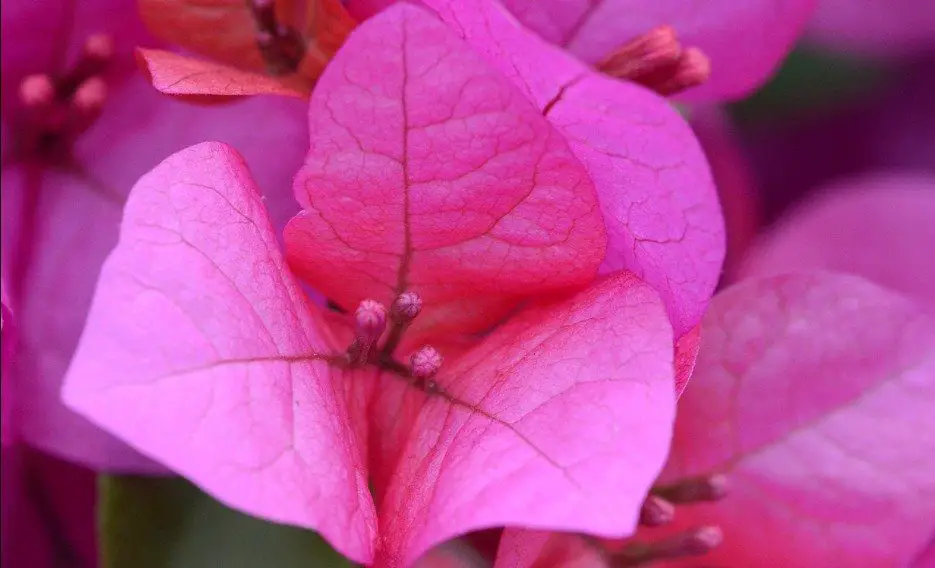
In this blog post, we’ll talk about how often to water bougainvillea and the best way to do so!
How Often To Water Bougainvillea?
Generally, it’s best to water a bougainvillea every 21-28 days. Keep in mind that the larger your plant, the more water it will require. It also depends on the season. In hotter months, you’ll have to water more often than during cooler months.
Can I Give Tap Water to Bougainvillea?
You can, but it’s not recommended. Tap water contains chlorine, which will burn tender roots if it isn’t removed before you use it on your plant. I only use tap water if I first put it through a filter that gets rid of chlorine and other chemicals.
Can I Use Cold Water on My Bougainvillea?
No, cold water will damage your plant. The best water temperature for bougainvillea is between 65-75 degrees Fahrenheit. Using cold water will shock your plant, so always use water that is room temperature.
A good tactic is to leave the water overnight to let the temperature equalize before giving it to your bougainvillea.
How Do I Water My Bougainvillea?
Water your bougainvillea using a watering can or hose. Make sure the water is able to drain out of the bottom, so you don’t drown it! It should take about 15 minutes for your plant to soak up all the water that it needs. If you have clay soil, then allow an extra 30 minutes because clay soils retain more moisture than other types of soil.
How Much Water Should I Use on My Bougainvillea?
It depends on your bougainvillea’s size. Generally, you should use enough water to wet the soil until it is saturated. It takes about one inch of water per week for a plant this size!
I recommend using a moisture meter every time you water just to be safe and make sure that they are getting all the hydration they need. This will help prevent over or underwatering, in addition to making sure your plants get everything they can out of their food when you fertilize them!
Can I Use Distilled Water on My Bougainvillea?
Yes, you can use distilled water on your bougainvillea. Distilled water is completely free of chemicals and salts, which makes it ideal for plants that need to avoid chemicals. However, distilled water lacks the necessary nutrients that other types of water have, so it’s not as effective.
What Happens if I Water My Bougainvillea Too Much?
Overwatering is a much bigger problem than underwatering. If you overwater your bougainvillea, it will damage the roots, turn the leaves brown, and encourage disease to grow. The soil should be completely dry before you water again!
Too much water usually causes root rot, which is when the roots start to decay. At first, they will appear black and slimy before decaying completely. If it’s caught in time, you may be able to save your plant!
The way to fix bougainvillea root rot is by removing the affected plant parts and discarding them away from all plants. Next, repot the plant into new soil that allows excess water to drain easily. You should also increase the air circulation to let more oxygen reach your plant’s roots, which will reduce future problems!
What Happens if I Water My Bougainvillea Too Little?
If you don’t water your bougainvillea enough, you may notice that the bougainvillea leaves start dropping off. Usually, this happens during hot weather when plants require more water than usual because of heat stress.
To fix underwatering and bougainvillea wilting, simply give your bougainvillea an extra drink or two every week until their soil is saturated again. If the plant is seriously underwatered and is about to die, then you should allow the plant to saturate fully by leaving the plant submerged in water for a few hours.
Conclusion
In conclusion, there is a lot that goes into taking care of bougainvillea plants. The best way to avoid problems with overwatering and underwatering is by using a moisture meter or simply feeling the soil every time before you water it.
In addition, make sure you use room temperature water instead of cold tap water because this can shock your plant!
I hope this blog post helps with learning how to take care of your bougainvillea plants. If you have any questions, please reach out to me for additional help. You can also check out my other articles, like this one: Why Are My Bougainvillea Leaves Turning Yellow?
by Gardener Tim | Oct 1, 2021 | Plant Care
We have all been there. You planted a beautiful cucumber plant in your garden, and now the leaves are turning yellow and dying. What is going on? Is it some kind of pest or disease that you can’t get rid of?
Well, luckily for you we know the answer to this question! This article will help you understand what is happening with your cucumber plant, and how to fix it.
Why Are My Cucumber Leaves Turning Yellow?
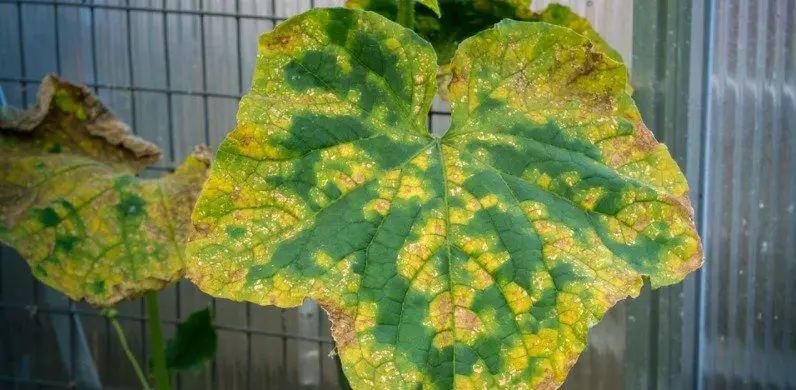
Your cucumber leaves are turning yellow because the plant has been overwatered, lacks adequate light, or is being subjected to environmental stress.
Let’s delve deeper into the most common causes of yellowing leaves on a cucumber plant, as well as what you can do about them.
Yellow Cucumber Leaves from Overwatering
Your cucumber plant may be turning yellow from overwatering, which is probably the most common reason for this problem. If you have been giving your cucumber a lot of water lately, it could lead to root rot. This means that there isn’t enough oxygen in the soil and roots begin dying off, so they cannot absorb nutrients properly anymore.
Simply allow the soil around your cucumber plants to dry out more between waterings. If you are using a drip irrigation system, this will be easier to monitor than if you just rely on natural rainfall.
Yellow Cucumber Leaves from Lack of Light
Cucumbers, like other plants in the cucurbit family (which includes zucchini and squash), can be sensitive to a lack of light. In particular, at least six hours of sunlight per day is required for proper growth. This can happen during the dark winter months when cucumber plants are affected by winter conditions.
If your cucumber plant isn’t getting enough sunlight during much or all of its growing season, it won’t grow very big and may even start turning yellow from a lack of chlorophyll production! Fortunately, this issue can easily be fixed by moving your cucumber plant into sunnier conditions. Conversely, too much sun can cause cucumber leaves to turn brown.
Yellow Cucumber Leaves from Too Much Stress
Finally, cucumber leaves that are turning yellow may be the result of too much stress on your plant. Sometimes this has to do with over-fertilizing or adding more manure than necessary to your soil. Other times it is caused by insect pests like aphids and root maggots, which feed off the nutrients in a plant’s roots, causing holes in the leaves.
If you have discovered some kind of pest infestation on your cucumber plants, consider using an organic pesticide made from ingredients such as garlic, neem oil, hot peppers, soap solution, or pyrethrum powder mixed with water for best results.
All these issues can cause problems with the way your cucumbers grow since they affect their ability to take up essential minerals via their roots! Be sure to solve any problems you have before moving on to the next planting season.
Yellow Cucumber Leaves FAQs
Cucumbers can be complicated at the best of times. As such, I’ll go through several of the most frequently asked questions regarding yellowing leaves.
Should I cut yellow leaves off my cucumber?
Yes, if there are yellow patches on your cucumber leaves, you should cut away the affected areas. This will prevent pests like fungus gnats from laying their eggs in these spots and spreading disease to healthy tissue.
Is it normal for my cucumber to lose some of its lower leaves?
Yes, if your cucumber leaves are turning yellow, it is perfectly normal for the plant to shed older and weaker foliage in order to conserve energy.
Will too little light cause my cucumber leaves to turn yellow?
Yes, cucumber leaves turning yellow can be a symptom of too little light. If your cucumber plant is getting less than six hours per day, it will not produce enough chlorophyll to stay healthy and may start suffering from nutrient deficiencies as well!
Will too much water cause my cucumber leaves to turn yellow?
Yes, cucumber leaves turning yellow from overwatering is a common problem. If you have been giving your cucumbers a lot of water lately, your roots may not be able to breathe properly anymore. This could lead to root rot, which is when the roots begin dying off and are unable to absorb nutrients properly!
How long does it take for my yellow cucumber leaves to recover?
It can take a few weeks to several months for cucumber leaves turning yellow from one of the above problems to fully recover. This will depend on how long your plant was suffering for, if it had any existing nutrient deficiencies or pest infestation going on that you were unaware of until now, and other factors!
Will the yellow cucumber leaves turn green again?
No, it is very unlikely for cucumber leaves turning yellow to turn green again. The good news is that if your cucumbers are otherwise healthy, this is not a big deal! Follow the care rules to stop this from happening again in the future.
Conclusion
In conclusion, cucumber leaves turning yellow is a common problem that can happen to almost any cucumber plant. If you have been giving your plants too much water lately, this could be the reason for their condition!
Follow the care rules listed above and start enjoying healthy green foliage on your plants again.
I hope that this article has helped you understand why your cucumber leaves are turning yellow. If so, feel free to view my other articles by using the search box at the top of the page.
by Gardener Tim | Oct 1, 2021 | Plant Care
The string of hearts is such a romantic symbol, but what happens when they start to turn yellow? That’s not so romantic!
In this article, we will discuss the causes for the change in color and what you can do to save your string of hearts from yellowing. Let’s get started…
Why Is My String of Hearts Turning Yellow?
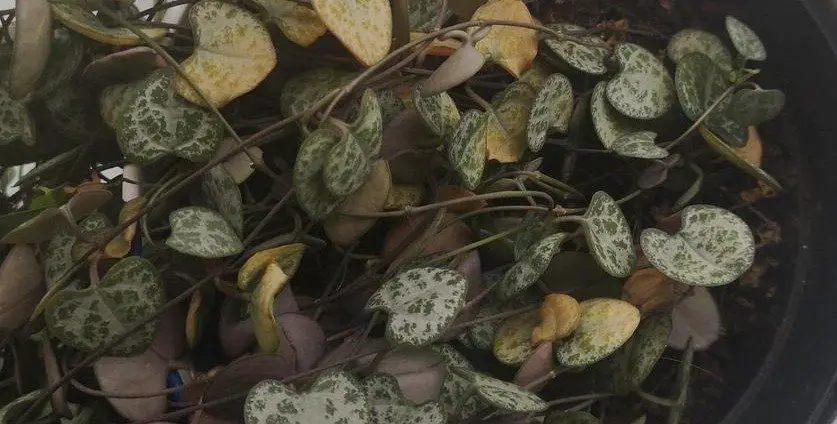
Your string of hearts is turning yellow because the plant has been overwatered, lacks adequate light, or is being subjected to stress.
Let’s now go more in-depth into the most common causes of yellowing leaves on a string of hearts and what you can do about them.
Yellow String of Hearts from Overwatering
The first possible reason for your string of hearts to be turning yellow is because you have been overwatering the plant. The roots are unable to get oxygen and start to rot, causing damage that can eventually kill your entire plant!
The best way to avoid this problem is by watering only when the top inch of soil is dry. This can be done by sticking your finger one inch down in the soil to check for moisture.
If it is dry, water until fully saturated and wait a few minutes before you test again. Alternatively, use a moisture meter to check the moisture levels.
As for how much to water, there is no easy answer as it all depends on your local climate and the size of your pot. Additionally, make sure that the plant has good drainage so excess water can drain away easily without causing any problems.
If root rot has already taken hold of your plant, you should remove your plant from its pot and allow the plant to dry out. Prune any rotten roots and discard them away from any plants (to avoid fungal infection). Finally, re-pot your plant into fresh soil that is well-draining.
Yellow String of Hearts from Not Enough Light
The second reason why your string of hearts is turning yellow is that it hasn’t been receiving enough sunlight! Plants need light for photosynthesis, which allows them to produce energy. This means that no light equals dead plants pretty quickly!
To avoid this problem, make sure your pot gets plenty of indirect sunlight every day on all sides. You can do this by moving it around or rotating as necessary throughout the day so that each side receives equal amounts of the sun.
If that doesn’t work, then use grow lights (Amazon link) to provide light for your string of hearts during the night or on days that are cloudy. As long as you have a good source of indirect sunlight, then grow lights will not burn your plant and should be used to supplement it if needed.
Yellow String of Hearts from Too Much Stress
Your string of hearts is turning yellow because it has received too much stress. Like humans, plants feel stressed out when they don’t get the water and nutrients that they need to thrive. You must take action!
To solve this problem, make sure to allow your plants to settle into their environment. This means not repotting unless absolutely necessary!
Also, check for cold drafts and dry heat that may be coming from the furnace or vents. Not every plant will handle this sudden change in temperature, so they can turn yellow from shock.
Yellow String of Hearts FAQs
I will now discuss some of the most frequently asked questions when it comes to yellowing leaves.
Should I cut yellow leaves off the string of hearts plant?
Yes, prune all dead, yellow leaves from the plant. This will encourage new growth and help your string of hearts recover faster! Plus, it will make your plant look better.
Is it normal for my string of hearts to lose some of its lower leaves?
Yes, it is normal for your string of hearts to lose some of its lower leaves. This is especially common when plants go dormant in the winter.
Will too little light cause my string of hearts leaves to turn yellow?
Yes, if your string of hearts doesn’t get enough indirect light, then it will start to turn yellow. This is why you should always use grow lights to supplement the lack of sunlight on days that are cloudy or during the winter months.
Will too much water cause my string of hearts leaves to turn yellow?
Yes, too much water can cause your string of heart leaves to turn yellow as it will start to rot, causing damage that can eventually kill your entire plant! The best way to avoid this problem is by watering only when the top inch of soil is dry. This can be done by sticking your finger one inch down in the soil and checking for moisture.
How long does it take for my string of hearts leaves to recover?
It depends on how severe the root or stress damage was before you took action! However, most plants should fully recover within a few weeks if you address all problems quickly and effectively. If not addressed soon enough, these issues may spread throughout the rest of the plant, which could lead to death quite fast.
Will the yellow string of hearts leaves turn green again?
No, it is very unlikely for your string of hearts leaves to turn green again. You should focus on growing new leaves instead! As a vining plant, it’s best t cut off old leaves to make new for new green growth.
Conclusion
In conclusion, the string of hearts plant is sensitive to several issues that will cause its leaves to turn yellow. However, if you take action quickly and effectively by addressing all problems before they get worse, then your string of hearts should grow new green foliage and look amazing!
by Gardener Tim | Sep 30, 2021 | Plant Care
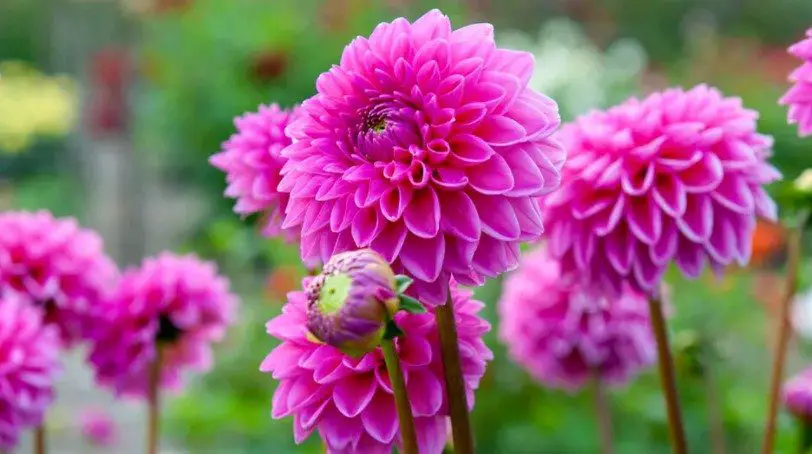
Dahlias are beautiful flowers with many wonderful benefits. They come in many different colors, shapes, and sizes which is great for the gardener looking to add a touch of color to their garden or landscaping.
Unfortunately, they can also be very difficult to maintain as they require a lot of care and attention if you want them to grow successfully.
One way that you can help ensure your dahlias will thrive is by using an appropriate fungicide when needed! In this blog post, we will explore what the best fungicide for dahlias might be as well as the circumstances under which it should be used.
What Is the Best Fungicide for Dahlias?
It’s time to review the best fungicides for dahlias. Here they are:
1) Bonide 811 Copper 4E Fungicide – Copper Octanoate
This fully biodegradable, OMRI-listed fungicide offers 10% Copper Octanoate (1.8% metallic copper) as the active ingredient, which is what makes it one of the best fungicides for dahlias.
It’s a contact and systemic fungicide that works to protect your plants from a large number of different fungal diseases, including powdery mildew, rusts, Septoria leaf spot, Pythium blight, and more!
Powdery mildew HATES copper! The copper ions harm the fungi or their spores by damaging their cellular membrane and cell metabolism.
2) Garden Safe Brand Fungicide – Neem oil
This is a dahlia fungicide that can also be used as an insecticide and miticide. If you’ve read any of my other articles, then you will know just how much I love using neem oil. In fact, I use it for nearly all pest and fungal-related issues.
The powerful fungicide will keep your Dahlia clean and free of pesky insects. It prevents fungal germination, as well as suffocating those pests so you can enjoy a beautiful flower without any hassles!
3) Spectracide Immunox Multi-Purpose Fungicide – Myclobutanil
Unlike the two above, this is an inorganic fungicide. However, Myclobutanil (1.55%) is one of the best ingredients for killing fungus on dahlias. This means that it’s great for targeting extreme cases of fungus.
When sprayed over your plants, the ingredient soaks into the leaf tissue and through the phloem and xylem. The myclobutanil works to stop the fungus by producing ergosterol, which controls fungus cell membranes.
This fungicide can be used for a wide range of fungus, but it’s especially effective against things like powdery mildew.
4) Dr. Earth Disease Control Fungicide – Rosemary oil, Clove oil & Peppermint oil
This fungicide uses three natural oils to get rid of dahlia fungus, which are rosemary oil (0.06%), clove oil (0.05%), and peppermint oil (0.05%).
Each ingredient works together to create a powerful fungicide, which will leave your plant fungus-free. Also, these oils have been known to keep insects away, which is an added bonus!
Rosemary oil is rich in antioxidants and antimicrobial properties that work to protect the plant from fungi. Clove oil contains eugenol, which helps with pest control, while peppermint oil has antiseptic properties to prevent further infections.
5) Southern Ag Liquid Copper Fungicide – Copper Diammonia Diacetate Complex
Here we have another copper-based fungicide. This one comes with 27.15% Copper Diammonia Diacetate Complex and 8% metallic copper.
This product works great for killing fungus on dahlias and many other plants as well! The only downside is that this isn’t OMRI approved, so it’s not suitable for organic gardening.
However, it will get rid of any fungus you have on your plants without causing them damage or harm in the process!
What is a fungicide?
A fungicide is a chemical that can be used to prevent and control the spread of plant diseases. It can be used to treat diseases like powdery mildew, rusts, leaf spots, and blights.
When should fungicide be used on dahlias?
A fungicide can be necessary to use on your dahlias if you notice the following signs of disease: yellowing leaves, brown spots spreading across plant foliage and stems, mildew forming on flowers.
How do I apply Bonide Copper Fungicide to dahlias?
To ensure the successful application of this product, it is best to carefully follow all instructions found on its label. This includes thorough coverage of both upper and lower sides of all plant leaves as well as making sure the entire area around the plants has been coated with an even film before allowing them to dry completely.
How often should I apply a fungicide to dahlias?
Apply fungicide to your dahlia if you believe your plant is suffering from a fungal infection, but be sure to check the label for any specific application frequency information.
This product should only need to be applied once per week and could harm your dahlias if it’s properly used according to its guidelines.
The most popular dahlia fungicides are concentrates or ready-to-use products. This means that it’s easy to apply these types of formulas, which makes them easier for first-time users like you!
Will fungicide help powdery mildew on dahlias?
Yes, a fungicide can be very effective at treating powdery mildew on dahlias. It should, however, only been applied once a week to ensure you’re not overusing the product and doing more harm than good.
Is neem oil good for dahlias?
Yes, neem oil is a good fungicide to use on dahlias because it can help prevent and control the spread of plant diseases like powdery mildew.
To ensure you’re using this product correctly, be sure to carefully read all instructions found on its label as well as any supplemental information provided by your local garden center or agricultural department.
Conclusion
In conclusion, dahlias are beautiful and colorful flowers that make for a great addition to any garden. However, they can also be prone to fungal infections if proper care isn’t taken by the gardener!
I hope that this blog post has been helpful in learning more about the best fungicide for dahlias and how you can use it to keep your plants healthy.
If you have any additional questions, feel free to ask them below! I’ll be happy to answer them as soon as possible.