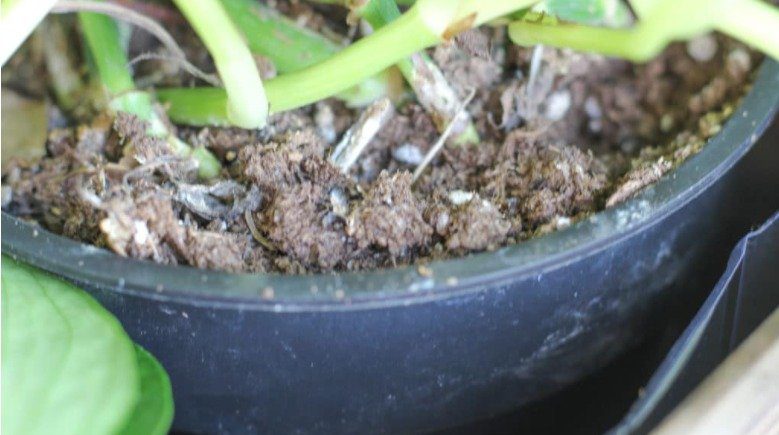
What Is The Best Soil for Pothos?

What Is The Best Soil for Pothos?

Pothos plants are an excellent choice for people with little time to care for their plants. The pothos is a hardy, low-maintenance houseplant that can thrive in many conditions. However, the soil you use will have an impact on how well your pothos thrive and how long it lives.

There are several different types of soils available at most garden centers so understanding which one is best for your particular needs will help keep your pothos happy and healthy!

What Is The Best Soil for Pothos?

Pothos plants are not too picky about the soil they grow in. Your pothos will be happy with soil that is rich, well-draining, and provides enough aeration.

Personally, I use a mix of Miracle Grow Potting Mix and perlite. The potting mix gives all the nutrients your pothos need, while the perlite has excellent drainage and aeration properties.

Pothos are some of the fastest-growing plants around, so it’s important to feed them well. If you want your pothos to thrive in a nutrient-rich environment, as they would outside, make sure that you’re giving them soil with nutrients already included!

When it comes to watering the soil, people tend to go overboard and overwater their pothos plants, which can lead to root rot and powdery mildew on pothos leaves. This can lead to the roots of the plant becoming infected with fungus or bacteria, which results in root rot and stunted growth for your beloved houseplant!

I experimented with a lot of different potting mixes to find the best soil for my pothos plant. I tried this mix, that mix and it was not until when I added these ingredients did everything finally come together! This recipe can be used with other types of plants that grow similarly to each other.

Pothos Soil Mix Recipe

  • 3/4 Potting Mix (regular potting soil)
  • 1/4 Perlite
  • Sprinkle of sand

The mix of the three will provide a drainage layer for water to travel through and keep roots from sitting in excess moisture. This mixture is also lightweight, making it easy to transport when needed!

Pothos Soil FAQs

Pothos soil can be quite a confusing topic. As such, I will now answer some of the most frequently asked questions.

Do Pothos Like Wet Soil?

Pothos does not like wet soil. The leaves will start to rot and the roots may die if they are in too much water.

Can I Put Coffee Grounds in my Pothos Soil?

Coffee grounds are not a good idea for pothos soil, especially if you want the pothos to grow well and fast. Pothos is sensitive to nitrogen, and coffee contains high levels of this element. This could cause the leaves to brown and fall off, potentially killing your pothos plant.

Do Pothos Like Acidic Soil?

The soil in your pot has a huge impact on the health of your pothos plant, so it is important to choose carefully. If you are wondering if Pothos like acidic soil; well, yes and no!

Pothos do best with an acidic pH between six-seven (as opposed to one). However, many people find that using a fertilizer with high phosphorous content will have the same effect.

If you are concerned about your soil is too acidic, or not acidic enough for your pothos plant, we recommend trying a pre-mixed potting mix that is specifically designed for Pothos.

Can Cactus Soil be Used for Pothos?

While you can give cactus soil to your pothos, I wouldn’t recommend it. This is because cactus soil doesn’t retain water, which can lead to your pothos not getting the amount of water it needs to thrive.

Can I Use Miracle-Gro Soil for My Pothos Plant?

Miracle-gro is a great potting mix for pothos plants. In fact, it is one of the best and will help keep your plant healthy! I’ve linked to the one I use higher up in the article. I also recommend it in my article on why pothos plants sometimes die after repotting.

Can I Use Top Soil for my Pothos?

Topsoil is not recommended for use as a potting mix because it contains high levels of salt that may damage your pothos plant.

Can I Use Hay for Pothos?

Hay is not a good option for potting mix, as it does not contain enough nutrients to keep the roots healthy and thriving.

Can I use Wood Chips or Sawdust for my Pothos Plant?

Wood chips and sawdust are not a good option for pothos soil, as they do not contain the nutrients that your plant will need.

Can I use Potting Soil from Home Depot?

Potting soil found in stores like home depot is often too heavy and can compact easily, which could make it difficult to water and drain properly. This may cause your pothos to rot and die.

Can I use Garden Soil for my Pothos?

Garden soil could potentially be a good option for potting mix, as it is an organic material that will provide enough nutrients for the roots of your plant. However, garden soil can sometimes have fungus or pests on it which could infect your pothos plant and cause it to die.

Conclusion

In conclusion, it is important to find a soil mixture that will provide the right pH level, drainage, and nutrients for your pothos plant. A good option would be 3/4 potting mix, 1/4 perlite, and a sprinkle of sand. You can also add some fertilizer too!

Is Sunflower a Herb or Shrub?

Is Sunflower a Herb or Shrub?

When it comes to sunflowers, a lot of people are confused about whether they are herbs or shrubs. The confusion is understandable because the word “sunflower” can be used as either term. This blog post will explore the difference between herbs and shrubs, and answer the main question…

Is Sunflower a Herb or Shrub?

It’s true that sunflowers are herbs. It is classified as an annual, but it belongs to the Asteraceae family, therefore can be considered a type of herb.

As summer progresses, sunflowers will start to grow taller and taller. Most of them can reach heights of 12 feet by the time summer ends.

Unfortunately, sunflowers will die after their seeds have matured. But one of the best parts of owning a sunflower is reaping the benefits year after year, as the seeds grow to form a full sunflower the following season.

Let’s Learn A Bit More…

The sunflower (Amazon link) is native to the Americas. The center of diversity for sunflower species is in Mexico, with over 500 documented types of sunflowers growing in this continent.

The flower was a symbol of Aztec gods and from there spread into other Native American cultures. Today, it’s still used to represent Mother Earth or summertime. Sunflowers are also known as “Indian Heads.”

Sunflowers grow best in areas with low humidity and hot climates. They also fare well when planted alongside taller crops, such as corn or sorghum.

A sunflower head is made up of many individual seeds that grow to form the flower’s structure. The following year, new flowers will sprout from these seeds as long as they’re planted deep enough into the soil to reach moisture.

For many Native American tribes, the sunflower is sacred. The largest wild species of sunflower grows on the prairies of Argentina – it can grow to over nine feet in height! Apparently, this particular type was discovered by Charles Darwin during his travels in South America.

Sunflowers grow best when planted in an open location with full sun exposure. The long, slender leaves will then produce a thick stem that eventually bears the flower and fruit on top of it.

Conclusion

In conclusion, a sunflower is an annual, which means that it’s a herb. I hope you have enjoyed reading my first post on this site! If so, please share this post with your friends and take a look at the other posts.

Best Soil for Spider Plant

Best Soil for Spider Plant

Spider plants are one of the easiest plants to grow and require very little maintenance. They also happen to be extremely popular because they are so easy to take care of, which means that this is a great plant for people who don’t have much experience with gardening.

However, spider plants do need soil in order to survive. This article will cover what type of soil you should use when growing a spider plant and why it’s important.

Best Soil for Spider Plant

Spider plants thrive in soil that is nutrient-dense, well-draining, and high in organic matter. I prefer using an indoor potting mix as a base, with perlite, worm castings, and coco chips added on top. This recipe provides all that the spider plant requires to live and flourish.

It took me a long time to discover the ideal soil for spider plants. It’s the one I always recommend to new owners of these gorgeous house plants.

Spider Plant Soil Recipe:

I utilize an organic potting mix, such as Miracle Grow, to feed my spider plants. However, we can’t stop there…

It’s important to allow materials that let the excess water drain from the mix. Also, the roots need to be able to breathe! The two ingredients for this are perlite and coco chips.

If you want to give your spider plant an extra boost of nutrients, use castings or compost in place for the last step. Worms will add even more nutrition than these basic ingredients!

Using ingredients like coco coir, peat moss, and worm castings is a great way to get the most out of your plants. These compounds slowly release nutrients, which means that your plants have food for a much longer period of time.

How To Get Rid of Pests From Spider Plant Soil?

When using organic ingredients, it’s inevitable that you’ll get bugs in your soil at some point or another. If this happens to you, don’t fret! You can use diatomaceous earth to naturally deter insects from bothering your plants again. Another great trick is insecticidal soap – it will kill those pesky bugs dead, but it’s completely safe for your spider plant!

Does Spider Plant Soil Need Fertilizer?

Spider plants do not need a lot of fertilizer in order to thrive, but some people choose to give their spider plant soil or the entire pot a boost by applying plant fertilizers.

These fertilizers, like Miracle Grow (Amazon link), can be either organic or chemical and you should follow the instructions on your specific brand if you decide that this is something that you would like to add into the mix.

However, it’s important to note here that too much fertilizer could result in poor health for your spider plant. Spider plants are extremely sensitive so even small amounts of chemicals can damage them over time. If adding other nutrients into your soil, make sure that they are natural as well!

What Texture Should Spider Plant Soil Have?

One of the most important aspects of spider plant soil is that it must be well-draining. It needs to allow for water and oxygen flow, but also have great drainage so that your plants don’t drown in their own water! Soil texture varies depending on where you live and what type of climate you’re growing your spider plant in.

Should I Add Sand to Spider Plant Soil?

Adding a large amount of sand to your spider plant’s soil is not recommended because it does not have the necessary nutrients that a spider plant needs. However, some gardeners choose to add a small amount of sand in order to improve the texture of their soil.

The Best Way to Water Spider Plant Soil?

Watering spider plant soil should be done sparingly and only when the top of the potting mix has dried out significantly. This happens about once a week in most climates – if it’s humid, you may need to water your spider plant more often.

It is important that the potting soil drains well; this means that there must be holes in the bottom of your pots or an open-weave material like coarse horticultural sand on top of the mix. Otherwise, standing water can result and drown your plants!

How Deep Does the Soil Need To Be for a Spider Plant?

The depth of the soil that you use for your spider plant will depend on a variety of factors. It’s important to remember that your roots need room to grow and stretch, otherwise they will coil and pinch.

What Type of Container Should I Use?

The type of container that is used when repotting a spider plant matters very little as long as there’s good drainage. Some people choose to use clay pots while others prefer plastic or even a hanging basket. Just make sure to be careful when repotting a spider a plant.

Clay pots are the best choice for people who tend to overwater their spider plants, as the porous nature of the clay pot means limits the risk of root rot from overwatering.

Conclusion

In conclusion, spider plants can be quite difficult to maintain, but with the right soil and potting mix, you’ll find that your spider plant thrives.

The most important thing is to make sure that you choose a good potting mix. The best soil for spider plants is one I recommend to all new owners of these lovely house plants.

It includes the perfect mix of nutrients and materials to help with drainage, which is very important for this particular plant. I also recommend using coco chips and perlite, as they will give the soil a lot of airflow so that the spider plant’s roots can breathe properly.

Why Is Peace Lily Flower Turning Brown?

Why Is Peace Lily Flower Turning Brown?

Peace lilies are a beautiful plant to have in your home. They add color, create an inviting atmosphere and smell great too! But sometimes the flowers of these lovely plants turn brown for no apparent reason. Read on for more information about why this happens and what can be done to stop it.

Why Is Peace Lily Flower Turning Brown?

The most common explanation for a peace lily turning brown is that they’re stressed or being cared for improperly, but another possible answer is browning with age. I will now go more in-depth into each of these reasons.

Care

But what does it mean to give the correct care to a peace lily? Let’s find out…

Temperature – Peace lilies must be kept in a warm environment, but they must be kept away from direct sunlight. They can’t handle the heat and will start to turn brown if exposed for too long! I recommend trying to get your room’s temperature as close to 65 degrees Fahrenheit as possible.

Water – The soil should remain moist and you’ll need to water your peace lily every day or so. You can do this by either watering the base of the plant or spraying it with a misting bottle! Peace lilies are sensitive to the chemicals associated with tap water, which can cause leaf browning. I recommend watering with filtered water to prevent this problem from occurring.

Fertilizer – A good rule is not to fertilize during wintertime, but from April onwards feed them once per week using a liquid fertilizer diluted at half strength.

Soil – The type of soil makes a huge difference with regards to how healthy your plant is going to look! Your potting mix needs to be well-draining, so make sure that there are holes in the bottom. These plants also enjoy lots of organic matter like peat moss or coconut coir mixed into their soil.

Stress

Houseplants need a happy home just like us. Unfortunately, peace lilies are no different when it comes to feeling stress.

One thing to keep in mind is how often you repot your plant. If you do, then you’re putting extreme stress on your plant. In order to avoid this, you should only repot your plant every two years and give it a month or more before watering it again.

Another thing that can be stressful is moving the peace lily from one area of your house to another. If you keep them in an east-facing window for most days during the day, then switching them to a west-facing window can cause them stress, and the flowers might start to turn brown.

Age

Another possible cause of brown peace lily flowers could be discoloration with age. Peace lilies are plants that enjoy a long lifespan, but as with anything they start to age and slow down.

The perfect environment can’t save your peace lily from its inevitable death as it goes through an annual cycle like all other living things on Earth.

Peace lilies have the most complex life cycle of any plant. When you first buy them, they’re a glossy deep green that matches their name perfectly! After only about four days in your house, these beautiful plants will start to open up and reveal a brilliant white flower inside — the spadix will be green.

The spadix can turn white, but it usually starts turning brown as death approaches.

How Long Do Peace Lily Blooms Last?

Peace lilies bloom twice a year. This bloom typically lasts for around one month.

Peace lilies can live for up to two years with proper care, but they’re not immortal. Like all living things on this Earth, peace lilies have a life cycle that will eventually end after about ten months or so.

Although it may seem like your peace lily is done for good, it doesn’t mean that it won’t bloom again in the future. In fact, the hearty specimen can survive for a few years.

Does Gibberellic Acid Promote Faster Peace Lily Blooms?

Gibberellic acid (Amazon link) is a natural hormone for plants that can help your peace lily to grow and bloom more quickly.

It’s often sold at gardening centers in liquid form. The idea is that you can pour some of it onto the soil around your roots every day until they start to sprout flowers!

One might expect the peace lilies to be wilted due to their time spent outside, but a quick application of gibberellic acid allows them to look healthy and ready for customers. Gibberellic acid is the best way to make sure peace lilies are in their prime when they’re about to be set out on display.

Conclusion

In conclusion, there are many reasons why a peace lily’s flowers can go from green and healthy to brown and sad looking! But don’t worry since we’ve given you some great tips on how to keep yours happy and blooming beautifully.

If you have any other tips about how to care for your peace lilies or want more information on why they’re turning brown, please do leave a message in the comments below!

How to Make Monstera Grow Faster?

How to Make Monstera Grow Faster?

Monstera is a tropical plant that has large, glossy leaves and is often grown as an indoor houseplant. It can grow up to 20 feet tall in the wild! However, they rarely grow that fast or big in our homes.

If you want your monstera to grow faster than it currently is, there are some things you should know about when wanting to make monstera grow faster.

How to Make Monstera Grow Faster?

You can make your monstera grow faster by giving everything it needs to thrive. Failing on just one of these requirements will result in your monstera not growing as fast as it could be. Below are my top tips for speeding up the growth rate of your monstera…

1. Light (LED lights)

To make monsteras grow faster, it’s important to give them the right amount of light. If you can’t give your plant enough natural light, then you can use a grow light. Doing this will ensure that your monstera is getting all the light it needs to grow. Here are my recommended grow lights for monsteras.

I use a grow light on all of my house plants, especially in winter when they don’t get enough natural light.

2. Water

Keep the soil moist as much as you can, but not soggy wet. Water regularly when the top inch of soil feels dry to touch. If using tap water for irrigation, let it sit out overnight before watering so that chlorine evaporates from the water.

Use drip irrigation method rather than overhead sprinklers since too much moisture on leaves will result in brown spots at leaf tips and edges…and does nothing good for plant’s growth rate! Also, avoid over-watering because this results in rotting roots, which will kill plants quickly.

3. Humidity

Monstera plants like high humidity and grows best with at least 50% humidity. In most homes, the air is too dry for monsteras to thrive.

You should aim to create a humid environment by setting up a water tray filled with pebbles under a plant pot or misting leaves regularly (about twice daily)…this will help increase your indoor humidity levels which makes monstera grow faster…and healthier!

You can also invest in an indoor humidifier to increase the humidity within your home so that monstera can grow faster.

4. Pest control

Since monster plants are susceptible to ants and mites, you need to get rid of them as soon as possible. You can use pesticides on your plants, but this isn’t advisable because it can damage your plant…so prevent pest infestation by keeping an eye on your plants and using organic neem oil when needed.

5. Fertilizer

Monstera plants love having slow-release fertilizer in the soil because it helps make them grow faster. Using a standard houseplant fertilizer (with nitrogen, phosphorus, and potassium) is good for monsteras but do not overdo it!

Too much or too little of these nutrients can harm or kill your plant respectively so be careful when fertilizing…and use full strength fertilizer only once every month.

When to feed: Make sure you feed your monstera at least bi-weekly during active growth periods, which typically spring through fall. Do not fertilize if roots are damaged by rot or if weather conditions have been very cold recently, as this will burn delicate new growth on monstera leaves.

6. Repot

Once every few years, you will need to repot your monstera. It is best if you pot the plant in organic soil like peat moss and sand, which has a high porosity so water drains easily.

If you notice any dead branches, then cut them off immediately before they rot away at their base and cause damage to other parts of the plant. Also, don’t forget to remove all brown leaf tips as well as yellowing older leaves from existing branches… this makes monstera plants look happier too!

Are Monstera Fast Growing Plants?

Yes – In fact, they can quickly become too big for their pots or homes otherwise! Their fast growth rate makes them very fun to have a houseplant, but they can become invasive if not pruned regularly.

The good news is that it is not as difficult to care for a monstera plant compared to many other tropical plants.

How to Grow Bigger Monstera Leaves?

Monstera Leaves are large and can grow up to 30 inches in length. They love a lot of humidity, light, and warmth. In fact, the more you can provide these things for your monstera plant, then the bigger it will grow and produce big leaves.

What about Fertilizers for Growing Bigger Monstera?

It’s important to note that monsteras need lots of fertilizing as well – this helps them continue their rapid rate of growth without burning out or getting sickly from too much fertilizer use. You should be giving your plant water with fish emulsion every week during spring/summer months (every other week). Also, remember it needs less fertilizer in fall/winter.

Conclusion

In conclusion, how to make monstera grow faster depends on a number of different factors. Monsteras need lots of light, warmth, humidity, and fertilizer in order to continue growing at the rapid rate they are accustomed to.

My top tip of all is to repot your monstera plant every year as it grows bigger in order for its roots and leaves to thrive! It’s also a good idea to invest in some LED lights if you want your plant to grow as big and healthy as possible. I use these grow lights for all of my tropical plants when I’m not around to make sure they get enough light each day.