by Gardener Tim | Sep 30, 2021 | House Plants
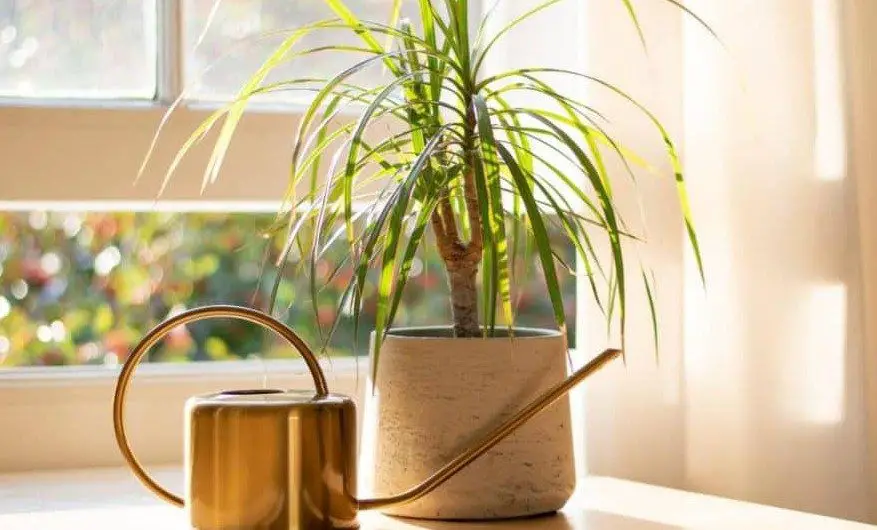
Dracaena plants are some of the most common houseplants that people keep. They grow well in low-light conditions and can tolerate dry air, so they’re perfect for those who don’t want to spend a fortune on their heating bill.
In fact, dracaena plants are some of the toughest houseplants you can get! However, just because they are tough doesn’t mean that you can neglect them. Just like any other plant, dracaena plants need water to survive!
But how often should you water your dracaena plant? It’s important to know the answer before it gets too dry or becomes overwatered…
How Often To Water Dracaena?
Generally, it’s best to water a dracaena every 10-21 days, but this depends on where you live and whether it is summer or winter. The best way to know is the touch test. If you think it’s dry, then give it a drink!
You can use your finger to feel the soil into the soil. If the top 50% of the soil is dry, then it is time to water your plant! If you don’t want to use your finger, you can use a moisture meter that offers cleanliness and accuracy.
Can I Give Tap Water to My Dracaena?
Only use tap water if it is filtered or distilled. This is to remove fluoride toxicity that can be dangerous for your dracaena plant. Tap water also contains chlorine and other chemicals you don’t want to risk using on a houseplant.
If you want your dracaena to live as long as possible, it’s best to avoid using tap water. I like using filtered water because it’s cheap and effective!
Can I Use Cold Water on My Dracaena?
No, only use room temperature water. Cold water can shock the roots of your dracaena, so it’s best not to use cold water on them. If you want to store water for future use, let the container sit out overnight or until room temperature is reached before using it.
How Much Water Should I Use on My Dracaena?
Water until it flows out of the drainage holes at the bottom of the plant pot. This way, you know the soil is fully saturated with enough water. However, make sure to only use this much water when the soil is dry – never add more water to moist dracaena water.
Many people water their dracaena plants in the sink. This is fine if the dracaena is small enough to fit in your sink. In fact, this is how I water most of my small plants. Alternatively, you can take your plant to the bathtub and water it there!
Can I Use Distilled Water on My Dracaena?
Yes! Distilled water is the best type of water for your dracaena. It has no chemicals or fluoride toxicity like tap water. However, distilled water also contains fewer minerals than filtered tap water – so this is worth keeping in mind.
I tend to swap between distilled water and filtered water, although I tend to use filtered water more often than not. This way, I don’t have to worry about constantly buying distilled water and my dracaena won’t suffer from fluoride toxicity.
What Happens if I Water My Dracaena Too Much?
Giving your dracaena too much water can cause yellow leaves, brown leaves, root rot, and even plant death! The bad thing is that overwatering a dracaena is easy to do because the plant enjoys dry soil.
While leaf discoloration makes the plant look less aesthetically pleasing, root rot is a serious issue that needs to do tackled immediately. If you notice the roots are black and smelly, then your dracaena unfortunately has rotten roots.
You can save your plant by cutting off any rotten roots and discarding them away from all plants in your home. After the plant has been allowed to dry out, repot your dracaena in a new pot filled with fresh soil that drains well and is not too moist.
To prevent root rot from occurring again in the future, be sure to follow a strict watering schedule and only water when the soil is dry to the touch.
In case the root rot has caused fungal issues, use neem oil on all affected leaves of your plant. Neem oil is a natural, organic way to kill fungus and prevent it from spreading.
Conclusion
In conclusion, you should always use the touch test to determine how often you water your dracaena. However, if you want to be more accurate than that, then invest in a moisture meter for cleanliness and accuracy!
Also, don’t water with cold or hot water, and only use room temperature tap water. Water until it flows out of the drainage holes at the bottom of the plant pot!
I hope this article has helped you learn when is the best time to water your dracaena. If not, leave me a comment below and I’ll try my best to help you out! Thanks for reading.
by Gardener Tim | Sep 29, 2021 | Plant Care
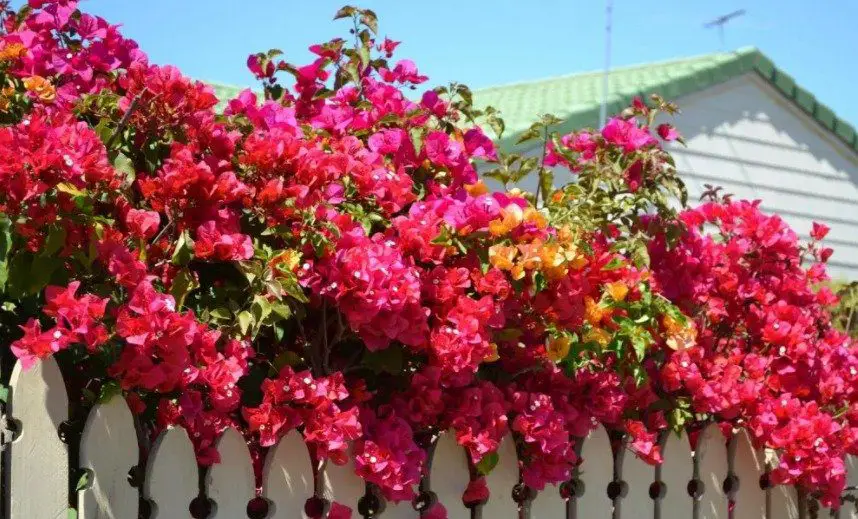
Bougainvillea plants are known for their beautiful green leaves. But, what should you do if your bougainvillea’s leaves start turning brown? There are several reasons why this might happen to your plants.
Finding the reason is essential to reversing the color change and getting an attractive plant once again. This blog post will discuss the causes of leaf changes in bougainvilleas and how to address them!
Why Are My Bougainvillea Leaves Turning Brown?
Your bougainvillea is turning brown as a result of overwatering or leaf burn. While burnt leaves will be dry and crispy, brown leaves from overwatering tend to be moist.
This is why it is important to determine the cause of leaf burn before taking action. I will now go more in-depth into these two causes and what you can do to stop this from happening again.
Brown Bougainvillea Leaves from Too Much Water
If your bougainvillea is turning brown, it may be because you are overwatering the plant. Overwatering causes leaves to become mushy and discolored with brown coloration. The bougainvillea leaves may also start to wilt.
This is why it is so important to check your soil before watering. I recommend waiting until the top of the potting mix is dry to the touch before thoroughly watering your plant. You can learn more here: How Often To Water Bougainvillea?
You can check this by sticking your finger into the soil and feel if it is dry. If you cannot touch your finger to any part of the potting mix without getting wet, then it’s time to water!
You can also use a moisture meter, which will indicate if your plant needs water. Whatever method you choose, just be sure to do it consistently!
If left untreated for too long, overwatering can lead to root rot or even death in severe cases. Once this happens, it can be very hard to save your plant. However, it is possible if you act fast!
Start by removing your plant from its current pot and inspecting the roots for root rot. If they are black and mushy (or even smell), then prune them with a pair of sterilized scissors. The last step is to re-pot your bougainvillea into a fresh potting mix.
The new mixture should be much drier than what you were using before. By doing this, you will give your bougainvillea healthier conditions to thrive in while also giving yourself more time between watering sessions.
Brown Bougainvillea Leaves from Too Much Sunlight
Another cause of brown leaves in bougainvilleas is too much direct sunlight. When this happens, the plant will start to grow long and spindly stems with small burnt leaves.
The plant enjoys light, but should never be left to experience direct sun rays. This is simply too much light for the plant to handle, which will burn the leaves and even cause them to drop.
To fix this problem, you need to move your plant somewhere that it will receive less light exposure on a daily basis. This may mean moving it into an area that receives indirect sunlight or even partial shade while the plant recovers.
Everyone who reads my articles consistently will know that I love to use grow lights! However, you need to be careful while using them. Leaving the lights on for too long can result in the tips of your bougainvillea becoming scorched.
Brown Bougainvillea FAQs
The bougainvillea isn’t the easiest plant to care for. As such, I will now answer some common questions I get asked about the leaves of this beautiful plant.
Will brown bougainvillea plant leaves turn green again?
No, it is rare for brown bougainvillea leaves to turn green again. The same is true for yellow leaves. The good news is that new growth will emerge green if you care for these plants properly. This will allow you to enjoy your bougainvillea for many years.
Should I remove brown leaves from the bougainvillea plant?
Yes, prune all brown leaves from the bougainvillea plant. Pruning will help your bougainvillea recover and begin growing new green growth! Plus, it looks a LOT better from an aesthetic standpoint.
Will too much water cause the bougainvillea plant to turn brown?
Yes, overwatering will cause the bougainvillea plant to turn brown. Make sure you only water the soil when it is dry up until about an inch or two down! Failure to do this will result in root rot and even cause your plant to die.
Why are my bougainvillea leaves wet?
This is likely due to guttation, which is the process of excess water droplets forming on the bougainvillea’s leaves due to overwatering and humidity. The solution is to correct your watering routine so these droplets stop forming!
Will direct sun cause bougainvillea leaves to turn brown?
Yes, direct sunlight will cause bougainvillea leaves to turn brown. Make sure you only expose the plant to direct sun in the very early morning or late afternoon, as these are times when it’s less harsh on your plants!
Conclusion
In conclusion, there are a variety of reasons why your bougainvillea leaves may turn brown. Make sure to check this list to figure out what’s causing your plant problems. Then, work on fixing the problem so you can enjoy that beautiful green foliage again!
I hope you have enjoyed this blog post on why bougainvillea leaves turn brown. If you have any tips or questions, please leave them in the comments section below!
by Gardener Tim | Sep 29, 2021 | House Plants
Aglaonema plants are one of the most popular types of houseplants. They’re easy to take care of and they come in a variety of colors, shapes, and sizes. That’s why it’s so frustrating when your aglaonema starts to turn brown!
It can be difficult to determine why this is happening, but we have a few ideas about what might be going on with your plant.
Why Is My Aglaonema Turning Brown?
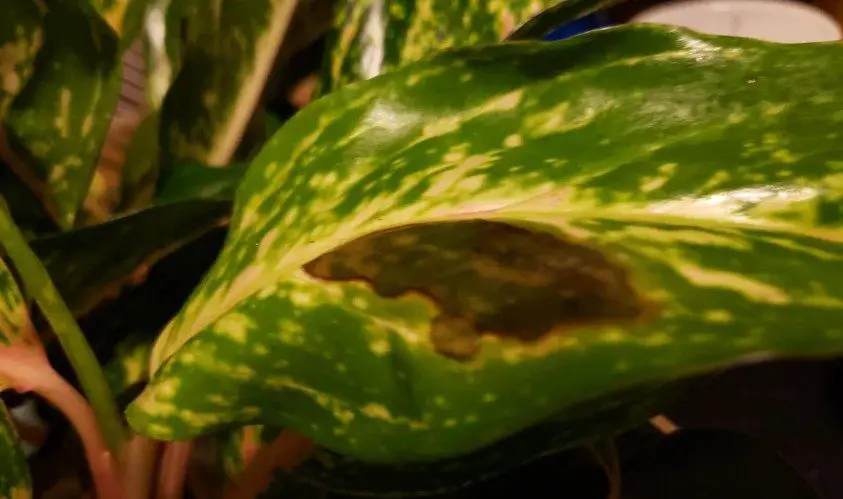
Your aglaonema plant is turning brown as a result of overwatering or leaf burn. Overwatered leaves tend to be wet and droop, whereas burnt leaves will be very dry and crispy.
I will now go more in-depth into these causes and what you can do to stop them from happening again in the future.
Brown Aglaonema Plant Leaves from Too Much Water
Aglaonema plants thrive when you give them just enough water throughout their soil to completely saturate it, but should never be left to sit in a pool of water.
The easiest solution to this problem would be to cut back on how much water you give your plant each week. Instead of watering every few days to keep the soil moist, err on the side of caution by waiting for the top inch of the soil to dry.
You can test the dryness of the soil by sticking your finger about an inch deep. If the soil is dry, it’s time to water! But if you feel moistness, then you should wait a little longer.
Alternatively, you can use a moisture meter, which is a device that helps you determine the exact amount of water needed. Using this tool will ensure that you don’t overwater or underwater your aglaonema and gives you a better idea as to whether it’s time for another watering session!
You should take action if root rot is already present. Start by removing all the soil and examining the roots. If rotten, prune the roots with a pair of sterilized scissors and be careful not to cut other areas of the plant.
Next, allow the plant to dry out, and then re-pot it into the fresh potting mix that drains well. Always make sure the pot you use has drainage holes at the bottom to allow water to escape.
Brown Aglaonema Plant Leaves from Too Much Sunlight
An aglaonema plant that’s been over-exposed to the sun will have burnt leaves. This is most likely due to the plant being exposed to direct rays from the sun. If this is the case, simply move your plant to a shadier area of the room.
If this is your problem, try adding more shading around your plant with blinds or curtains, and be sure they stay closed during peak sunlight hours! You can also place it closer towards a north-facing window where there isn’t as much direct exposure from the sun.
Doing this will reduce the amount of sunlight that your plant is exposed to and allow it to grow healthier. Be sure not to go overboard with it though – the plant needs some sunlight to survive!
Brown Aglaonema Plant FAQs
This isn’t the easiest plant to keep happy. As such, you might have a few questions about taking care of your plant. If that’s the case, we’ve got you covered with some frequently asked questions!
Will brown aglaonema leaves turn green again?
No, it is rare for brown leaves to turn green again. Instead, they tend to get browner and browner until they die. The good news is that new growth will be green if you follow the recommended care instructions.
Should I remove brown leaves from aglaonema plant?
Yes, prune all brown and dying leaves from the plant as soon as possible. This ensures that your aglaonema stays healthy and keeps its pretty, green color!
Will too much water cause aglaonema plant to turn brown?
Yes, too much water will cause the plant to turn brown. You should only water your aglaonema when the soil is dry and never leave it sitting in a pool of standing water for too long!
When I touch my aglaonema plant, it seems like there is moisture on it?
This generally means that the plant is living in a humid environment. It could simply be guttation, which is when excess water is excreted from the leaves. If this continues to be an issue, you should consider repotting your plant into a different pot that has better drainage and place it in a bright area of the room.
Why does my brown aglaonema have black spots?
This usually means your plant has leaf spot, which is a fungal infection. Use neem oil to treat it and be sure to clean up excess debris that might collect on the surface of your plant’s soil.
Will direct sun cause aglaonema leaves to turn brown?
Yes, it can cause leaf burn and turn your plant’s leaves brown. You should try to place the aglaonema in a location with indirect, or filtered light from the sun and make sure it doesn’t stay there too long!
Conclusion
If you follow these tips for taking care of your aglaonema plants, they will look as beautiful as ever. These tropical plants are an ideal addition to any space that needs some green color! Just be careful not to expose them to direct sunlight for too long or overwater them – those can both cause problems if left unchecked.
I hope you found this helpful! If so, feel free to look at my other articles on the beautiful aglaonema plant.
by Gardener Tim | Sep 29, 2021 | House Plants, Plant Care
Dracaena plants are super-cool because they’re easy to take care of, inexpensive, come in a range of different sizes and shapes, don’t require much light or water once established (which takes approx. 30 days), get rid of air toxins around your home and remove formaldehyde from paint!
However, although they are tough, their leaves turn brown for no apparent reason. In this article, we will discuss what causes a dracaena’s leaves to turn brown and how you can save your plant with a few simple steps!
Why Are My Dracaena Leaves Turning Brown?
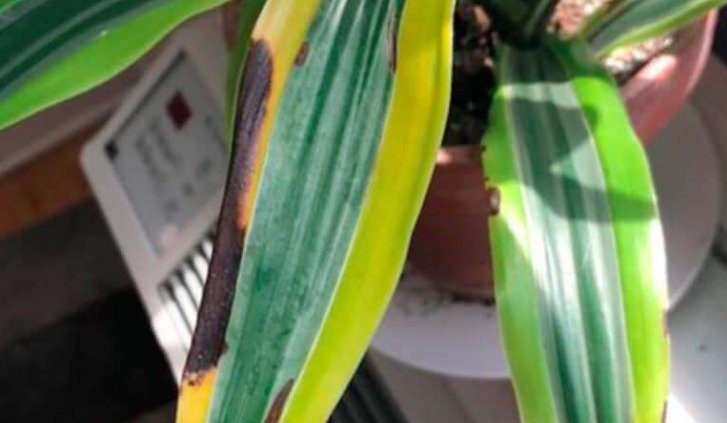
Your dracaena plant is turning brown as a result of overwatering or leaf burn. While both types give browning to the leaves, overwatering tends to make the leaves damp, whereas leaf burn usually results in dry brown spots.
I will now go more in-depth into these causes and what you can do to prevent them from happening in the future.
Brown Dracaena Plant Leaves from Too Much Water
The main reason your dracaena’s leaves turned brown due to watering too much was that its roots were unable to get enough oxygen and started dying off as a result.
For that reason, it’s vital that you do everything possible to prevent overwatering, such as ensuring proper drainage and aerating heavily compacted areas before planting. Here is an article on dracaena watering techniques.
Dracaena plants should only be watered when the top 50% of the soil is dry. This is unlike other pants that can be kept moist at all times. In fact, I tend to water my dracaena every 10-14 days, which extends to 3-4 weeks during the winter months.
You can test the soil by sticking your finger deep into the soil. If it’s dry, then you can water. Using a moisture meter makes this process even more accurate and is highly recommended.
If root rot has already taken a hold on your dracaena, then you should re-pot the plant into the fresh potting mix that drains well. During the re-potting process, allow the roots to dry out and prune any roots that are black.
Also, make sure to use tepid or room-temperature water when watering your plant as cold or hot water can shock its roots and cause leaf yellowing.
Brown Dracaena Plant Leaves from Too Much Sunlight
Unlike yellow dracaena leaves that change color due to lack of sunlight, dracaena’s leaves can turn brown when they receive too much sunlight or the plant was burnt by leaf burn.
A simple way to protect your plant from leaf burn would be to place a sheer curtain between it and any windows that allow direct sunlight during the daytime hours. This will reduce the amount of direct sunlight it receives.
You should also be aware that your dracaena requires some light in order for photosynthesis to occur, which is why indirect or filtered sun is best. For this reason, you can keep an eye on its leaves and make sure they don’t turn brown as a result of receiving too much light.
This tends to happen a lot in summer when the sun is powerful. So while you may have to use grow lights during the winter, the priority is to be careful of the sun during the summer months (if you own a dracaena plant).
Brown Dracaena Plant FAQs
Dracaena plants are super-cool, but they can be hard to manage. As such, I will now answer some of the most frequently asked questions I get about this plant.
Will brown dracaena plant leaves turn green again?
No, it is unlikely that the leaves will turn green again. The good news is that you can easily keep them nice and healthy by following the care instructions in this article.
Should I remove brown leaves from my dracaena plant?
Yes, you should remove any brown leaves that are dead. Doing this will encourage the plant to grow new foliage and not waste resources on dying leaves. Plus, your plant will look a lot better.
Will too much water cause my dracaena plant to turn brown?
Yes, dracaena plants are fine with dry soil. If you water them too much, it can cause root rot and make the leaves turn brown.
Will direct sun cause my dracaena plant leaves to turn brown?
Yes, it is true that too much direct sunlight can turn brown from leaf burn. This tends to also cause crispy leaves that are dry to the touch.
Do Dracena leaves grow back?
Yes, dracaena leaves grow back quickly and easily, which is why this plant makes such a great houseplant. They store energy in their stems, so they can easily grow new leaves when they’re ready.
Conclusion
In conclusion, dracaena’s leaves turn brown for several reasons, including overwatering or leaf burn.
If you want to save your plant, make sure it has proper drainage and aeration in the soil, and then place a sheer curtain between any windows that allow direct sunlight during the daytime hours.
Doing this is the best way to keep your plant looking healthy and green! It takes a bit of getting used to, so don’t be too discouraged if it doesn’t work right away.
I will now conclude the blog post. I hope you have enjoyed this article and found it useful! Best of luck with your dracaena plant care going forward.
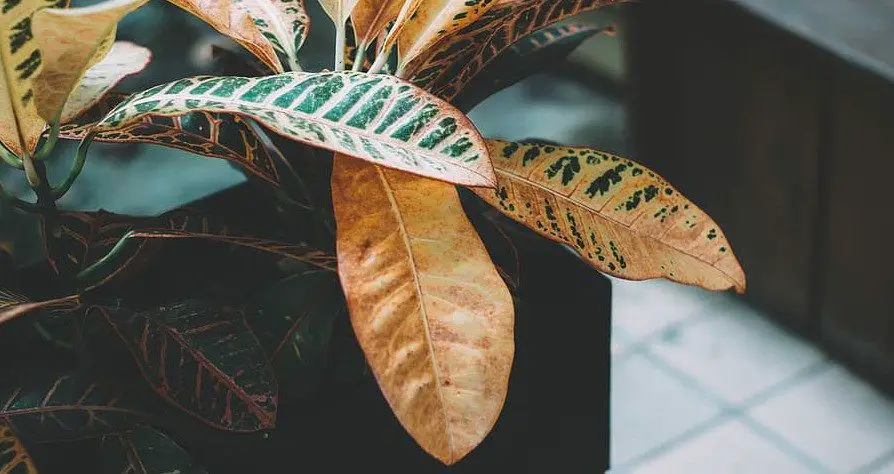
by Gardener Tim | Sep 29, 2021 | House Plants, Outdoor And Patio Plants
If you’re a gardener, you’ve probably experienced the devastation of finding your beautiful croton leaves have suddenly turned brown and withered.
This is a common problem for many gardeners because it’s often difficult to determine what caused the leaf discoloration in the first place.
In this blog post, we will discuss some possible causes of browning croton leaves so that you can better understand how to prevent it from happening again!
Why Are My Croton Leaves Turning Brown?
The leaves on your croton plant are turning brown as a result of overwatering or leaf burn. Overwatered leaves can sometimes be damp to the touch, whereas burnt leaves are usually dry and crispy.
I will now take a more in-depth look into both of these causes and what you can do to prevent them. By the end of it, you should be able to bring your croton back to full health…
Brown Croton Plant Leaves from Too Much Water
This problem can occur because many gardeners don’t understand how much water their plants need and end up drowning them by accident!
This often happens with new (and sometimes even experienced) gardeners who aren’t aware that most houseplants usually require less frequent watering than outdoor plants.
You should only water croton when the top inch of soil is dry. This tends to be once a week during the warm months, but only once every two weeks during the week.
You can test the soil by dipping your finger into the top inch of soil. Only water the plant if you can’t feel any moist soil. Alternatively, you can use a moisture meter to get an accurate reading, which means there will b no need for any guesswork.
As a result of overwatering, your croton plant will end up with root rot (if left untreated). If this has already happened, you should immediately take measures to dry out the soil and repot your plant in a fresh, new potting mixture.
You should also prune the rotten roots if the plant has root rot. Make sure to dispose of them away from your plants to avoid any fungal infection.
Brown Croton Plant Leaves from Too Much Sunlight
The leaves on your croton plant may also turn brown if it is exposed to too much sunlight. Sun scorched leaves typically have sun-scorched, dry edges and are often darker in color than the rest of the leaf.
If your plant is suffering from sunburned leaves, move it to a shady spot where it will be protected from direct sunlight for at least two weeks.
If this happens, you should re-position the plant so that it gets more shade…
A shady porch or windowsill where there is dappled light might be perfect for keeping your plant leaves as green and healthy as possible. You can also hide the plant behind structures or other plants to keep the plant away from direct light.
Although I love using grow lights in the winter months, they should be used with caution. It’s possible to burn leaves if you position the light too close to the plant or you have your light on for too long.
Brown Croton Plant FAQs
Croton leaves are a mystery for many people. As such, I will now answer some of the most frequently asked questions I get in my inbox.
Will brown croton plant leaves turn green again?
No, it is unlikely that brown croton leaves turn green again. However, new leaves will grow eventually if given enough care.
Should I remove brown leaves from croton plant?
Yes, you should remove brown leaves from your croton plant. This is because the dried-up and dead leaves will attract bugs that might then contaminate your healthy plants. It’ll also improve the aesthetic appeal of your plant.
Will too much water cause croton plants to turn brown?
Yes, too much water can cause your croton to turn brown. However, this usually happens when the plant is already in dire straits (such as root rot).
When I touch my croton plant, it seems like there is moisture on it?
This is usually due to overwatering. Guttation is when excess water accumulates on the surface of leaves. If this happens, you should reduce watering to avoid root rot or fungal growth in your croton plant.
Will direct sun cause croton plant leaves to turn brown?
Yes, this is why you should only give in-direct sunlight to your croton plant. Sun-scorched leaves are the result of too much direct sunlight, so it’s best to keep croton in a shaded area.
Conclusion
In conclusion, brown croton plant leaves can be caused by overwatering or too much sun. As soon as you notice this, take measures to prevent further damage and treat the problem quickly!
By taking quick action, your plant should return back to its healthy green state in no time at all. If not – I recommend contacting a professional for help.
If you want more information on brown croton plants from me personally, check out my other posts by using the search function. Thanks!