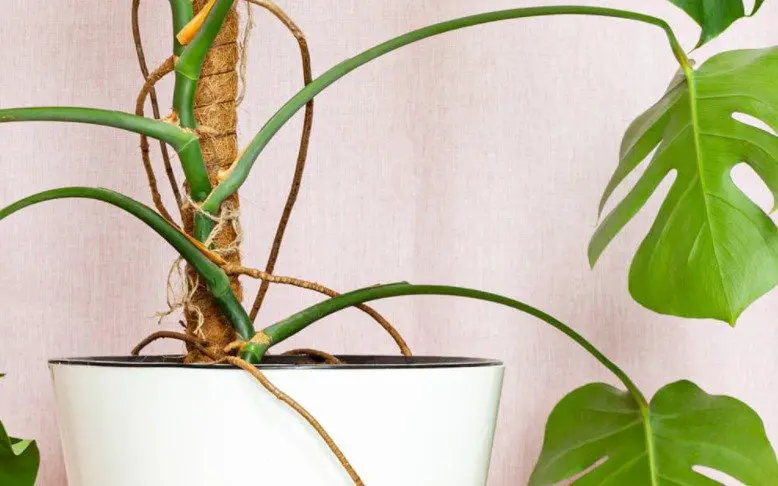
Monstera plants are popular for their large leaves that can grow up to two feet long. They come from the rainforests of Central America, and they’re known for being perennial climbers with big stems that will attach themselves to a support structure like a trellis or pergola. If you have one growing in your home, you may be wondering if you can move outdoors. Keep reading to find out…
Can Monstera Live Outside?
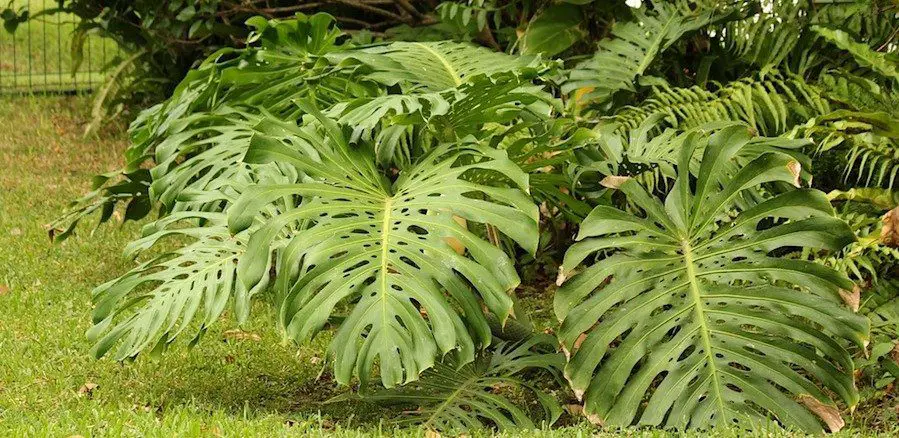
Yes, monstera plants can live outside. In fact, they naturally thrive outdoors in warmer climates. If you live in a region that experiences year-round warm weather, moving your monstera outside is an excellent way to let it get some natural sunlight and fresh air.
Monstera plants are very hardy and they’re used to their environment growing in trees where there is more light, water, and air circulation than indoor environments provide. They can also do well indoors if you have the right conditions for them because of how adaptable they are to different situations.
Factors Affecting Monstera’s Life Outside
There are a few important factors to consider when you’re deciding whether or not it would be best for your monstera plant if you move it outdoors. If you can meet these factors and expectations, then feel free to plant your monstera outside.
1. Rain
Monstera plants need a lot of water to survive, so they require higher levels of moisture in the air and soil. They’re comfortable with humid environments but not wet or soggy ones because too much water can cause root rot if there isn’t enough drainage.
If you live somewhere that has moderate levels of rainfall throughout the year, then your monstera will thrive outside without any issue – just keep an eye on things.
2. Sunlight
Placing your monstera plant in a well-lit area can be beneficial for helping it grow and develop. However, you shouldn’t place the pot too close to direct sunlight, such as an area that receives direct sunlight all day.
If your outdoor area gets plenty of natural light throughout the day, without being exposed directly to the sun, then this is sufficient enough for growing most types of monstera outside successfully.
Just make sure you move them back inside if there are any signs of burning on their leaves or stems as this could affect how well they survive after transplanting them outdoors.
3. Temperature
Monstera plants are best suited to warmer climates where the temperature is consistently between 60 and 80 degrees Fahrenheit.
Keep in mind that you’ll want to keep them inside if there are any signs of cold weather because they can die with prolonged exposure. Ideally, they won’t experience temperatures below 60 degrees Fahrenheit.
If your outdoor area experiences a wide range of temperatures throughout the year, and you have no way to protect them from colder conditions, then growing monstera outside might not be ideal for you.
4. Pests
One of the most important factors to consider is whether or not your outdoor environment has any pests. If there are lots of bugs in your area that could be a danger to monstera plants, then you might want to keep them indoors.
You should groom your monstera often to make sure no pests, such as thrips, are attacking your plant.
If your outdoor area is free of insects and other pests, then you can grow it outside with no issue. Just make sure to monitor them closely for the first few weeks after moving them outdoors so that they can adjust to their new environment better.
Tips for Growing Monstera Outside
If your monstera plant has been living inside for a while, transitioning it into an outdoor planter or garden will be easy as long as you follow these tips:
• Make sure it gets lots of sunlight – Monsteras need at least six hours of direct sunlight per day on all sides so make sure that wherever you put it next doesn’t cast any shade throughout the day. You might need to move your monstera around to find the best place for it.
• Make sure your planter drains well – Remember that these plants are used to growing in trees and they like a lot of water, however; you don’t want wetness sitting on their stems as this can make them rot. To avoid potential problems with mold or other diseases, make sure to use a planter with good drainage.
• Use rich soil – Monstera plants like to have more acidic soil as it helps them absorb nutrients and grow, so make sure you choose a potting mix that has lots of organic material that will break down slowly into the dirt while still providing enough nutrients for your plant. You should also add some fertilizer to help give your monstera a boost and promote rapid growth.
• Don’t over-water – Monstera plants like to stay moist, but they can die if their roots sit in water for too long. Make sure you check the soil and feel its moisture before watering your plant again because it shouldn’t be wet or soggy at all times.
Monsteras are very hardy plants that will thrive outside as long as you follow these tips. If properly cared for, they should grow quickly with lots of lush leaves that smell amazing! Just make sure to bring them inside during colder weather so they don’t get damaged by frost or freezing temperatures.
Conclusion
In conclusion, monstera plants can survive outside, but they are best suited to tropical climates where the temperature is at least 60 degrees Fahrenheit. They need lots of sunlight throughout the day and rich soil that drains well.
If you follow these tips, then growing a monstera in an outdoor environment shouldn’t be too difficult! Just make sure to keep an eye out for pests and watch the weather because they won’t survive in freezing conditions.
Prayer plants are amazing little plants with a big story. They grow in almost any type of soil, they need only sun and water to survive, and they produce beautiful flowers that come in reds, oranges, yellows, purples, and whites!
It is no wonder that prayer-plants are one of the most popular houseplants around the world. So what do these tiny plants pray for? Find out why prayer-plants pray at night right here!
The plants do this by tucking moisture into any available crevice within their stems and veins while also pulling excess water away from more vulnerable areas like flower buds or newly developing tissue.
Since prayer plants thrive on sunlight, they typically spend their time during the day soaking up all the rays they can get! However, when night rolls around, these tiny gems change into a whole new being.
They fold their leaves toward each other so that together they look like one big flower bud – almost like someone is praying with them! This shape helps conserve moisture for long hours through the night while still capturing any available light from the moon or stars.
Though it may seem weird, this process is actually quite common among several species of plants. The reason for the prayer-like shape at night, however, is still a mystery to most botanists and scientists!
What Are Prayer Plants?
Prayer plants are members of the Maranta family, which includes over 60 species that grow as different types of herbs. These beautiful flowers are native to tropical regions in South America and Africa.
The most common prayer plant is Maranta leuconeura, but there are several other varieties, such as M. tricolor, M. arundinacea, and M. picta.
Prayer-plants grow best in an environment with lots of indirect sunlight where temperatures stay around 65 degrees Fahrenheit (18 C). They also prefer consistent moisture levels by placing them near a water source like a sink or shower!
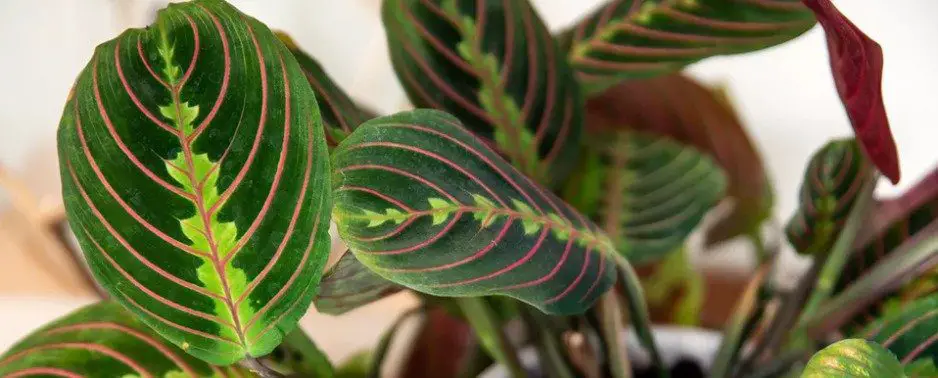
They have beautiful emerald green shades along their midribs, which slowly change to moss green as they age. The geometrical patterns on them are in contrasting hues of the same color – either bright or dark greens, depending on where you look closely at it!
How Do Praying Plants Move to Pray?
When we think about plants, it is natural to wonder how they move at all. Without muscles and tendons, how do these organisms manage any sort of movement?
While plants lack muscles and tendons, they still have structures that help them move. The best name for this, however, would be nyctinastic movements, which are natural to plants and performed daily.
The maranta plant’s leaves move at night in order to protect it from potential predators. This motion is called Nyctinastic and follows a 24-hour clock, which makes it appear as though the leaf is praying.
How Do Nyctinastic Movements Occur?
Prayer plants typically fold their leaves toward each other during the night when they are in a state of darkness. This motion is called nyctinastic movement, which literally means “sleep movements.” In prayer-plants, these movements help to conserve moisture for long hours through the night while still capturing any available light from moon or stars.
The term ‘nyctinasty’ was first used by Charles Darwin who observed this behavior among several species of flowers and shrubs that grow naturally near his home in England.
His early observations were published as a book titled Movements and Habits of Climbing Plants (1865) where he theorized about why certain climbing vines moved at night rather than growing towards sunlight as most plants do!
Where is the Best Place to Put a Praying Plant??
Praying plants come with a lot of beauty and care requirements to be kept healthy and thriving in your home. One important thing to know is where you should put this plant!
The best place for the prayer plant would be somewhere that gets indirect sunlight during the daytime, such as near a window sill or inside an office space. They also thrive at room temperature – about 65 degrees Fahrenheit (18 C), which makes them perfect indoor air-plants!
How Can Praying Plants Make Your Home Look More Beautiful?
Having praying plants around your house adds some natural elegance to any environment because of its unique colors and patterns. These plants are also simple to maintain and care for, which makes it a great choice if you’re looking to add some green into your home!
Conclusion
In conclusion, prayer-plants are a beautiful and interesting part of nature that is the center of much discussion among botanists for hundreds of years.
While scientists may not be 100% sure why these plants pray at night, there is no question about their ability to survive in almost any type of soil while still producing some truly stunning flowers!
And because prayer-plants typically need only sun and water to thrive, they make an ideal houseplant perfect for those looking to add a little more beauty into their lives without doing too much work.
What do you think? Do you know why prayer-plants fold their leaves at night time? Leave me your thoughts down below or even share this article with someone who might find it useful.
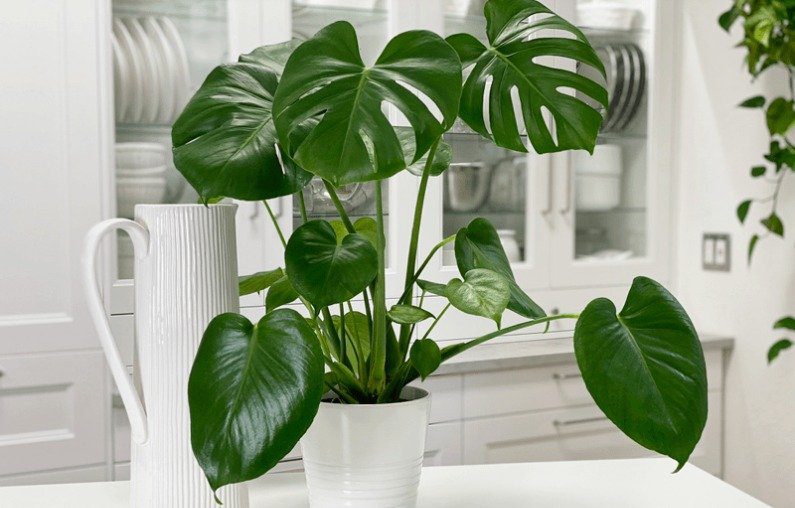
Known as a “Swiss Cheese” plant, the monstera plant has leaves that split over time. In fact, this is why we love them so much!
In this article, we discuss when you can expect your monstera to split, along with why this happens. Keep reading to find out…
When Do Monstera Leaves Split?
Monstera leaves split when the plant reaches the age of 2-3 years old. If your monstera has leaves that haven’t split yet, then you have a juvenile monstera.
To encourage your monstera plant to split, you should follow the standard monstera plant care practices, such as giving it plenty of in-direct sunlight and keeping the soil moist.
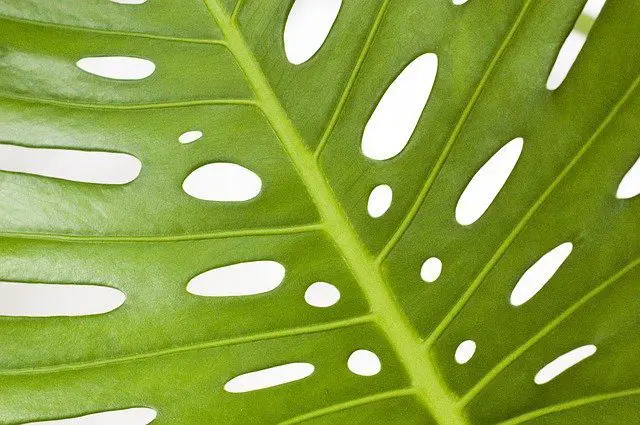
As a lover of monstera plants, it’s interesting to know why monstera leaves have splits. In short, monstera leaves split to encourage long-term plant growth and health. Here is how split leaves benefit monstera plants:
Water
Recent research has shown that a plant is a risk of fungal growth if the leaves are consistently wet. As monstera plants are from tropical environments where it rains often, they have been forced to adapt.
Rain easily falls from the split leaves, instead of remaining stagnant on top. These holes also allow the rain to fall to the bottom of the plant, where the water can then be sucked in by the roots.
Light
The splits allow sunlight to penetrate to the rest of the plant, rather than being blocked by the top leaves. As we earlier mentioned, monstera plants grow in tropical forests where there is a lot of coverage from big plants.
Light is incredibly important when it comes to split leaves on a monstera. Not giving your plant enough light can result in black spots, wilting, drooping, or discoloration.
Wind
Some believe that the splits in a monstera plant allow the plant to thrive in windy areas. The wind is able to pass through the holes, rather than hit the plant with full force. This adaptation helps in regions that are susceptible to storms and hurricanes.
How to Encourage Splits on Monstera Leaves?
You have to be patient when it comes to monstera splits, but you can encourage leaf fenestrations by caring for your plant in the correct way. I will now go through a list of ways to speed up the leaf-splitting process.
Watering – Water your plant uniformly and according to its specific needs. Once a week should be enough, but you can use your finger to check if the top inch of the soil is dry.
Humidity – Monstera plants need a humid environment, so misting the leaves regularly can be a good idea. You can also use a humidifier to humidify your home.
Light – Monstera plants do not like direct sunlight, and they thrive in places where there are indirect sun rays or natural light (such as by windows). So make sure you place it somewhere that has those conditions.
Give support. Monstera plants grow in a vine-like way, so using a grow pole (Amazon link) will encourage general plant growth.
Pest control – There are many pests that can bother the monstera plant. I recommend using some neem oil to get rid of them.
Space to grow – Monstera plants need plenty of room to thrive and grow, so they usually work best if you keep them in the largest rooms of your house.
Fertilizer – You can give your plant some extra energy to encourage growth. I recommend Miracle Grow, which is a great fertilizer for houseplants.
The Scientific Triggers for Monstera Leaf Split
If you now understand why your monstera plant splits, it’s time to examine the various causes/triggers. Knowing this will help you to gain an understanding of when the leaves are likely to split.
Age – Monstera plants naturally create fenestrations when they are old enough. If you buy a juvenile monstera, you must a few years for the leaves to split.
Light – With the plant being “of age”, it will now need sufficient light to trigger the splitting process. The size of a monster plant’s leaves depends on the amount of light it receives, which means grow LED lights can be used to increase leaf size and splits.
Care – Don’t expect your monstera plant to split if you don’t follow the recommended care instructions. Below you will find out how to take care of your monstera plant and support splits.
Why Are My Monstera Leaves Not Splitting?
The most common reason why the leaves aren’t splitting is due to the plant being too young. But there are situations where a mature monstera plant doesn’t split either. If you’re a green thumb, it’s possible that you know the answer to this question. And if not, read on for some hints from the experts:
It needs more light
It needs an accurate watering schedule
It needs more fertilizer and nutrients
It is injured from transport or pruning
Care Tips for Happy Monsteras
Before you go, let’s briefly cover how to care for your monstera plant. Keep in mind that each variety of plant has slightly different planting instructions, so it’s best to refer to care guidelines from the store where you purchase your plants.
Monsteras need to be taken care of just like any other plant. However, there are a few special things that you should know for boosting the health of monstera plants:
Watering – A lot of people make the mistake of watering their plants too much or not enough. Monstera plants need to be watered on a regular basis – but usually only once every two weeks during winter and once per week when they’re actively growing.
Fertilizer – The soil mix for most houseplants includes peat moss, composts, and fertilizer. However, this is generally not necessary for monsteras because they prefer light feedings over time, instead of single heavy doses.
Light – Monsteras prefer a location with indirect light. They also do best when they are not in direct sunlight or artificial lights that emit heat, which can dry out the leaves.
Temperature – The ideal temperature for your monstera is between 65 and 75 degrees Fahrenheit during winter. It should be around 80 to 85 degrees from late spring until early fall.
Humidity – Humidity levels range anywhere from 30% up to 60%. Most people find humidity at 50% (especially if there’s plenty of fresh air) works well for their plants without causing any damage.
Soil – There are several different types of soil that you could use, such as coco coir, bark mulch, or crushed pine needles. If you are using a pot, you should put about an inch of soil at the bottom of the pot, and then surround it with your chosen material.
Browning – If the leaf’s edges are turning yellow, try moving your plant into another location where it’ll get more sunlight. Just make sure there isn’t any artificial heat nearby – like lamps with bulbs that emit heat!
Conclusion
Monstera plants are great plants to have in your home or office. They’re easy-going and versatile, but they are also sensitive when it comes to environmental factors that affect their growth.
Be sure you plant them where there is enough light for the entirety of the day and be careful of overwatering!
The reason why many of us some monstera plants is due to their unique leaf splits. With that face in mind, it’s great to know how these splits benefit your plant.
To conclude, you can expect the first monstera leave to split after 2-3 years. Be mindful that it takes patience in order to enjoy the monstera’s decorative leaf splitting.
The monstera is a lush, tropical plant that can be found in the rainforests of Central America. It’s one of the most popular plants in modern interior design and has become known as “the newest trend” for those who want to add some life to their home or office space.
These plants are easy to care for and make an excellent addition to any room. This is mainly because they come with unique aerial roots that dangle from their stem like vines from a trellis!
If you don’t want to deal with the aerial root system in your home, consider buying an imitation monstera plant from Amazon.
What To Do With Monstera Aerial Roots?
The aerial roots on your monstera plant are not doing any harm, so it is fine if you don’t do anything with them.
It comes down to your own personal choice and whether it’s necessary or not. For example, if the roots poke people in the face, then you will need to remove them.
Furthermore, the aerial roots may get so big that they damage the decor in your home. You can use some sterilized trimming scissors to trim the ends of the aerial roots.
Alternatively, you can tuck the aerial roots into the pot or another piece of furniture.
Basically, they allow the plant to climb up objects, which in turn helps the plants get closer to the light/sun. The aerial roots also allow your monstera to breathe in places that couldn’t otherwise support vegetation.
As such, monstera deliciosa aerial roots have little practical use as they will usually be kept inside.
Can I Cut Monstera Aerial Roots?
You can cut off the aerial roots of a Monstera, but you don’t need to do so. However, monstera aerial roots need constant care and may become unsafe for those whom live inside your house.
The aerial roots are unnecessary for your home’s environment, so it will be down to what you prefer. Check out the video below… those roots definitely needed a cut!
The only concern about cutting the roots of your botanical masterpiece is that there’s a small risk of accidentally damaging the plant. This is why I always use sterilized pruning scissors (Amazon link) when cutting monstera aerial roots.
Monstera Aerial Roots Chracteristics
Monstera aerial roots resemble long, thin branch-like appendages that grow in different directions. Monstera roots are green in color, which gradually turns darker in color as they age.
Can You Propagate a Monstera with Aerial Roots?
Aerial roots cannot grow new plants. This means you don’t need to cut your aerial roots in order to prevent other plants from starting. Though many believe that aerial roots propagation can grow into a new plant, it is actually the leaf node that starts new growth.
Want a strong, healthy monstera plant? Just trim its aerial roots. It’s really not any different from pruning other houseplants.
The only item you need is a pair of shears that are sharp and sterilized. If not properly sanitized, the aerial roots of a monstera can introduce bacteria and fungi into your plant. Monsteras are fairly hardy plants, but the idea is to prevent any problems before they happen.
When pruning aerial roots, cut them off at the point where they meet with the stem of the plant. Trim the aerial roots but be careful not to cut too close, so as not to damage the stem. It is also important that you do not leave a portion of the root behind.
Trimming aerial roots is generally done during the months of spring and summer. When you’re growing and pruning the aerial roots, they can grow more in an effort to replace what you cut off.
If you prune your plant’s aerial roots, remember that they are not just a decorative addition. The monstera is designed to grow upwards with its aerial roots
Monstera Aerial Roots FAQs
Can I keep my aerial roots, even though they are too long?
Yes, you can! The only reason to cut the root system is if it becomes dangerous or causes damage. Just be careful when cutting off monstera aerial roots with scissors as there’s a chance of damaging your plant.
I also would never keep monstera aerial roots suspended in water. However, there are reports of people who have successfully kept their monstera in water.
Aerial Roots Vs Ground Roots?
The root structures are so different that comparing them would be difficult. Aerial roots enable the plant to grow more vertically, whereas ground roots remain buried to take in water from the soil.
Are there any benefits to having monstera aerial roots?
Aerial roots provide your plant with support as it grows. Monstera plants need assistance from other objects in order to grow, which is where the root system comes into play. It’s not necessary for you to cut or trim off those pesky aerial roots!
Are monstera aerial roots poisonous?
Monstera aerial roots are not poisonous. They contain no toxins that can harm humans or pets, so don’t worry about having them near you!
What does the base look like on my monstera aerial root?
The base of the aerial root may be round or oval in shape depending upon where you live and how fast they grow. You can tell if an aerial root has started growing by looking at the bottom (where it attaches). If there’s green showing on part of it, then that means growth has begun!
How long do monstera aerial roots live for?
As mentioned earlier, Monstera aerial roots are used for climbing and do not require much care after the initial planting. You won’t need to water or fertilize your plant as often, but there is a chance of over-watering which will cause rot.
How long do monstera aerial root systems take to grow?
It takes about ten weeks for new aerial roots to start growing on a Monstera plant. If the root system is too long after this time period, then you may consider cutting some of it off as needed.
What should I do after seeing white spots on my Monstera’s aerial roots?
If you see white spots on your Monstera’s aerial roots, it means the plant is rotting. It can be caused by a lack of water and humidity, so check that there’s enough moisture in its potting mix.
Different Types of Roots
With the exception of vines, nearly all plants have at least one root. Here are other types of roots:
Food & water storage – These roots are specially configured for storing starch and water
Parasitic roots – These roots enter systems of other plants, and they then steal their precious nutrients
Buttress roots – This is a thick vegetation root that is typically found in forests. The purpose of the roots is to stabilize the tree and also absorb more nutrients
Pneumatophores – These aerial roots absorb oxygen and gases
Propagative roots – These roots become new plants, which is what happens with many cherry plants
Contractile roots – These roots allow the plant to contract in size, such as when it is dry
Conclusion
Aerial roots have many functions, with the most notable being an increase of stability.
It is up to you whether or not you cut the aerial roots from your monstera plant. If you’re like me, then cutting any part of a plant feels like cutting off my own arm!
Generally speaking, you should leave your plant as it is. I would only recommend cutting off the aerial roots for your monstera if you’re having trouble keeping it in a contained space.