by Gardener Tim | Sep 13, 2021 | House Plants, Plant Care
In the hot, dry summer months, it can be difficult to keep your house looking fresh and green. The heat tends to suck all of the moisture out of everything in your home, including plants!
But don’t worry, there are a few options for you if you’re struggling with keeping your home feeling alive. We’ve compiled a list of 5 house plants that like dry heat so that you can live well in spite of the weather.
5 House Plants That Like Dry Heat
- Cacti
- Aloe Vera
- Devil’s Ivy
- Dracaena
- Hoya Carnosa
Those are the most loved house plants that like dry heat. I will now give a brief description of each plant, along with an image of each.
Cacti
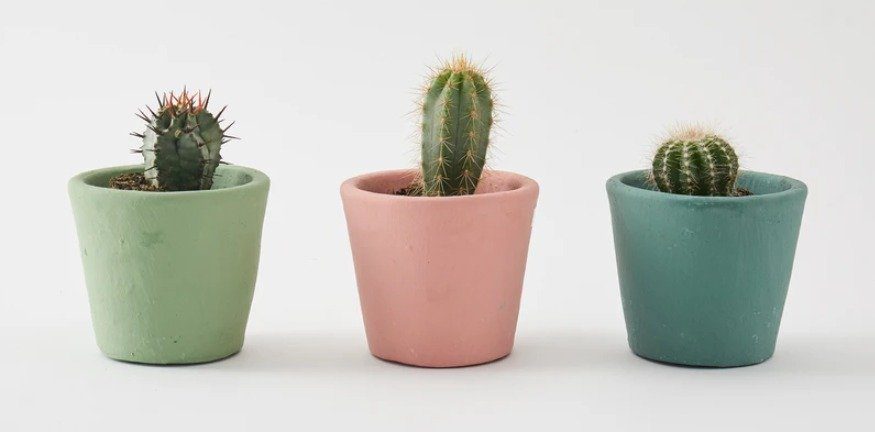
Cacti are some of the best plants for surviving in dry, hot climates. They don’t need much water or light to stay healthy and will easily grow into strong, tall specimens that are truly shaped by their environment.
Cacti come in a range of different shapes and sizes, which means you’ll always be able to find one that suits your home. In fact, I love growing cacti in small, decorative pots to give my bedroom more character and personality.
Aloe Vera
If you’re looking for something a bit more unusual, then an aloe vera plant might be perfect for your home! Aloes are often grown in deserts and dry climates because they need very little water or light to stay healthy.
They also come with their own array of health benefits and can help soothe burns and stomach aches when applied topically (that means directly on the skin). Although it has many benefits, I prefer to just keep mine for aesthetic purposes – I prefer to buy my aloe vera gel from the store! Here’s a recent article on aloe drooping.
Devil’s Ivy
Devil’s ivy is another houseplant that thrives on neglect while also being extremely easy to care for! It requires very little sunlight so place this versatile beauty near any window you have available without fear of burning leaves or wilting petals.
Dracaena
Dracaena is a beautiful indoor plant that you can find in many different colors and patterns. They’re actually quite easy to care for if kept out of direct sunlight, which means they’ll do well on any countertop or shelf that has access to natural light!
Hoya Carnosa
The hoya carnosa, also known as the waxflower, is one of my favorite plants! This vine-like beauty comes with delicate star-shaped flowers and sweet-smelling leaves.
It’s great for growing inside since it thrives in indirect sun, so make sure this houseplant gets its fill wherever it goes!
FAQ
What should I do with leaves that are browning or dry?
If any of your houseplants start showing signs of dead leaves (brown spots, brittle petals/leaves), don’t panic! It usually just means that they have received too much sun. The answer is to move the plant to a shadier area and give a generous watering.
Do these plants need a lot of sunlight?
All of these plants thrive in conditions that involve a lot of light. If you can’t provide enough light, then you may want to consider getting a grow light for your plants.
Where can I find these plants?
These houseplants are available at most home and garden stores, as well as online retailers like Amazon or Etsy! You may also want to ask someone local if they have any recommendations in your area.
How often should I water my plants?
This differs for every single plant but as a rule, it’s always best to wait until the soil has dried before watering again. A good way to make sure this happens quickly is by placing pots on trays filled with gravel or pebbles so air will circulate below the surface and dry things out faster.
Is there anything else I should know about these beautiful houseplants?
All of these options require very little maintenance, which means that you can pour water into the soil when your houseplant starts looking thirsty and then forget about it until next time! With all of that said, they do need to be watered every once in a while so make sure not to let them dry out completely.
Conclusion
In conclusion, those are some of the best indoor plants for your home if you live in a location with hot summers. They require very little water, which makes them perfect choices for any homeowner who is looking to add a splash of green indoors without spending hours each week watering plants or giving them too much sun exposure.
Hope this article was helpful! If it was please let me know down below 🙂 Thanks so much for reading!!!
by Gardener Tim | Sep 13, 2021 | House Plants, How To's, Plant Care
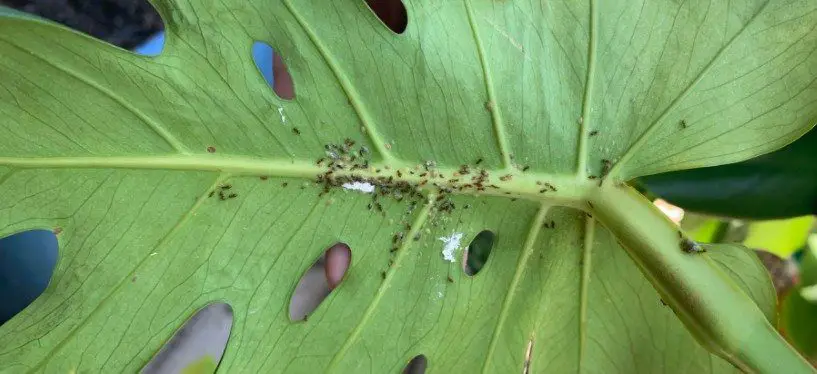
Ants can be a huge problem for Monstera plants and other types of plants. If you want to know how to get rid of ants on your plant, then this blog post is for you! This post discusses the various ways that people have gotten rid of ants on their plants, including using an insecticidal soap spray and placing cinnamon sticks around the base.
How to Get Rid of Ants on Monstera Plant?
The easiest way to get rid of ants on a monster plant is by spraying the plant with an insecticidal soap solution or neem oil.
First, mix a solution of dish soap and water in a spray bottle to create an insecticidal mixture. The amount of water doesn’t matter, but you want to use about a tablespoon of dish soap. Shake the spray bottle vigorously before each time that you use it.
Spray both sides of the leaves and stems with this solution every day until the ants are gone completely. If there is still some residue after spraying, then repeat three days later for full effectiveness.
Neem oil (Amazon link) is another solution that you can spray on the leaves and stems of your monster plant to get rid of ants. The neem oil will kill any ants that are directly touching the plant, but it will also kill other types of insects.
How to stop the ants from coming back?
To keep the ants off your plant for good, consider using diatomaceous earth (DE) on the top of the soil. This is a natural material that dehydrates ants and other insects when they walk on it.
DE works wonders for stopping ants from attacking your plant. However, the material shouldn’t be inhaled, so it’s not wise to use it if you have pets or children in your house.
Another way that you can get rid of ants on your monster plant is by using cinnamon sticks around where there are holes or cracks near the base of the plant. Ants actually hate cinnamon, so if they smell this scent then they won’t want to go near your plants anymore!
FAQ
Why are there ants on my monstera?
Ants go hand-in-hand with aphids, so check if there are any of those on your plant. Aphids produce a honeydew substance that ants LOVE to feed on, which results in the ants following their every move! If there are no aphids on your plant, then look for a nearby ant’s nest and pinpoint the path they take to get onto your plants.
Will neem oil get rid of ants on monstera?
Yes, neem oil will get rid of aphids and ants on your monstera plant. Mix a few drops with water and place them in the sprayer. Spray directly onto the bugs for about two to three days, then reapply after that time is up!
Will vinegar kill ants on my monstera?
Yes, using white vinegar to kill ants on your monstera is a great idea. Mix up some water and vinegar in equal parts, then put them into the sprayer. Spray directly onto the bugs until they fall off of it!
Will ants kill my monstera plant?
Ants will not kill your plants, but they can certainly damage them. They may even carry aphids onto the plant which could result in significant leaf loss! It is best to get rid of them before any other problems occur.
What do ants eat?
Most ants exist on sweet substances like nectar and honeydew that are produced by insects, such as aphids. However, some types of ant subsist solely off of dead animals or animal droppings.
Conclusion
In conclusion, there are several ways to get rid of ants on your monstera plant. The best way is by using a combination of insecticidal soap spray and cinnamon sticks.
I hope that this blog post was helpful and that the tips in this guide will help you to finally get rid of those pesky ants on your outside monstera plant!
by Gardener Tim | Sep 10, 2021 | House Plants, How To's, Plant Care
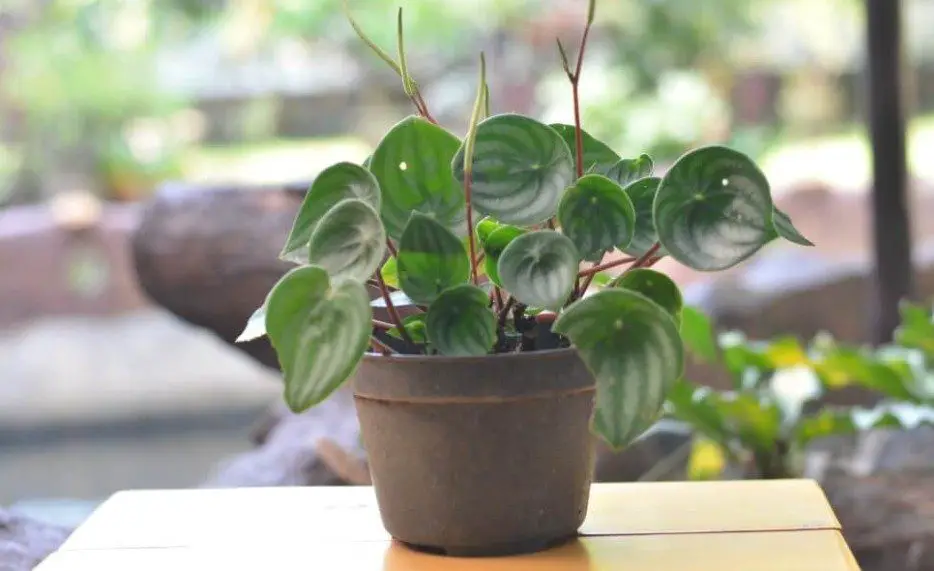
When it comes to growing indoor plants, the watermelon peperomia is one of the most popular houseplants. However, this plant can be a little tricky if you don’t know what you’re doing!
This article will teach you how to fix leggy watermelon peperomia plants and keep them healthy. Keep reading for more information on how to care for your own watermelon peperomias!
How To Fix Leggy Watermelon Peperomia Plant?
Watermelon peperomia plants become leggy because the plant is trying to move closer to the sun. As such, you can fix a leggy watermelon peperomia plant by providing the plant with more light.
1) Prune the leggy leaves from the plant
When you cut leggy plants, it encourages new growth. The best time to prune a watermelon peperomia is when its growing season begins in spring or summertime because this is when it grows quickly and can recover from any damage that occurs while pruning.
2) Move the plant to a brighter location
Watermelon peperomia plants do well when they’re exposed to bright, indirect light. If your plant is leggy and you move it into a brighter location such as near the window (but not in direct sunlight), then it should grow new leaves fairly quickly – provided that other conditions for growing watermelon peperomias are also met!
If you don’t have access to natural sunlight, then you may want to invest in an LED grow light (Amazon link). They’re pretty pricey, but they’re one of the best investments you can make if you want to grow indoor plants that thrive.
I recommend full-spectrum lights because they replicate natural light. I use this one on my plants and it works great!
FAQ
How often should you water a leggy watermelon peperomia plant?
Watering your plant too much or not enough can cause it to become leggy. To prevent this from happening, make sure that the soil is moist at all times but never soggy – overwatering will promote rotting, whereas underwatering will kill your peperomia!
I tend to water my peperomia once a week during summer and once every fortnight during winter.
Will pruning my plant help it grow new leaves?
Yes! Pruning your watermelon peperomia regularly will encourage the growth of more healthy stems.
Should I repot a leggy watermelon peperomia?
You can repot a leggy watermelon peperomia if its roots are growing out through the drainage holes or if they begin falling over.
How big does a mature watermelon peperomia get?
A mature watermelon peperomia usually gets between 0.75 ft tall x 0.25 ft wide with light green leaves of speckled red or pink highlights on top and dark purple undersides which contrast against its pale green leaves.
What position should I keep my leggy watermelon peperomia in?
The best place for your plant is an area with bright, indirect light. Keep it away from heating vents and air conditioners to maintain steady temperature levels between 60-75 degrees Fahrenheit!
What should I do with dead stems on my potted watermelon peperomia?
If the stems on your watermelon peperomia are dead, it’s best to remove them immediately with a sharp knife or pair of pruning shears. Be careful not to damage other parts of the plant when you do this!
What type of soil should I use for my leggy watermelon peperomia?
Watermelon peperomias prefer slightly acidic soil with a pH of around six. You can purchase a special potting mix that’s specially formulated for succulent plants or use 50% perlite and 50% cactus mixture to create your own!
What type of water should I give my leggy watermelon plant?
You should only ever provide your plant with bottled drinking water – never tap water as it contains chlorine which is harmful to houseplants. Dip the ends of its stems in the fresh, filtered liquid every once in a while if you want it to grow new leaves quickly.
How often do you have to prune a watermelon peperomia plant?
Pruning a watermelon peperomia will encourage new growth so don’t be afraid of doing this every now and then if your plant becomes leggy! Just remember that too much pruning could affect flowering.
Conclusion
In conclusion, if you want to fix a leggy watermelon peperomia plant, then you should prune the leaves and move it into a brighter location, such as near the window (but not in direct sunlight).
I hope this article has been helpful to you! If you have any questions about your watermelon peperomia plant, please leave a comment in the section below. I’d be happy to answer them for you.
by Gardener Tim | Sep 8, 2021 | How To's, Plant Care
Aphids are small insects that can pose a serious problem for pothos plants. They will suck the sap out of the plant, causing it to weaken and eventually die. If you want to get rid of aphids on your pothos, there are many different options available for treatment. These include sprays, soaps, oils and horticultural oil products like neem oil or pyrethrum.
How to Get Rid of Aphids on Pothos?
Aphids can be hardy if not dealt with quickly! They reproduce very quickly (each female aphid gives birth to up to 80 offspring in a single day!) which means that even small colonies can suddenly become much larger ones before you know it. The following methods will help ensure that they don’t return:
Wash with soapy water
You can remove aphids by spraying the affected plant with a mixture of dishwashing soap and water. Make sure you use enough to thoroughly wet all surfaces, especially underneath any leaves where aphids may be hiding out.
Neem oil
I LOVE neem oil. It is the best thing I have ever found for getting rid of aphids. You can buy it here on Amazon or you can get a bottle from your local nursery. Neem oil is derived from the neem tree, which is an evergreen. It has been used for centuries in India to keep pests off of plants and trees.
Pyrethrum Spray
The active ingredient in pyrethrums is called Pyrethrin, which comes from the chrysanthemum flower. It works by paralyzing insects that come into contact with it within a few minutes after application! Many people use this type of product to get rid of aphids & other pests.
Boric Acid
Boric acid is an ingredient that can be found in many different types of insecticidal sprays. It kills insects quickly and effectively and also works as a stomach poison. It is considered to be safe for both pets and humans, but it should not come into contact with your skin or eyes.
Using Predators to Get Rid of Aphids from Pothos
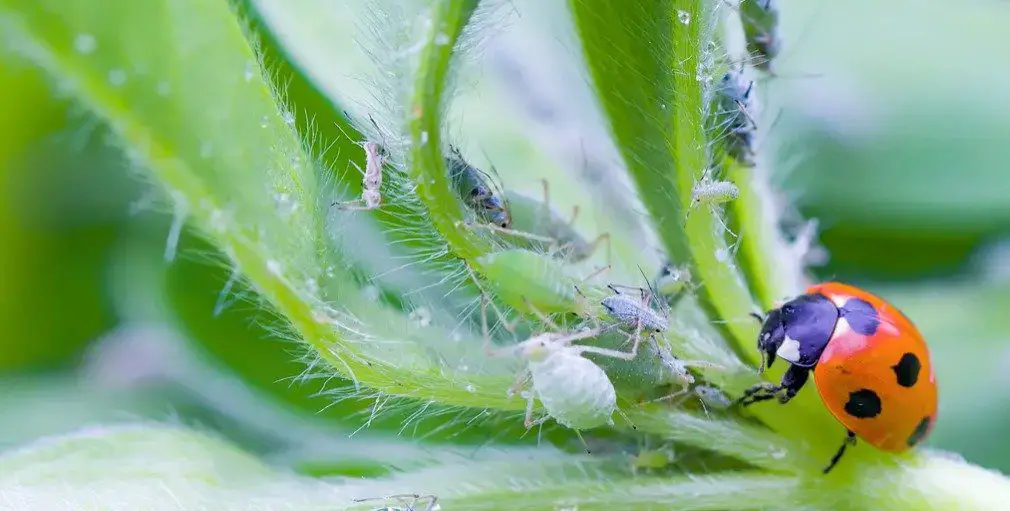
Aphids on outside pothos plants can be treated by releasing ladybugs into the environment. This is a great way to get rid of them and also provide your plant with some natural pest control!
These predators will eat the aphids, eggs, and young larvae to reduce or eliminate a current infestation.
Pothos Aphid Treatment Options: Which One Is Best?
All three methods will help you get rid of aphids on pothos plants but if I had to choose just one method then my pick would definitely be neem oil because it is organic, easy to use, and doesn’t have a strong odor.
Why Are Aphids a Problem for Pothos Plants?
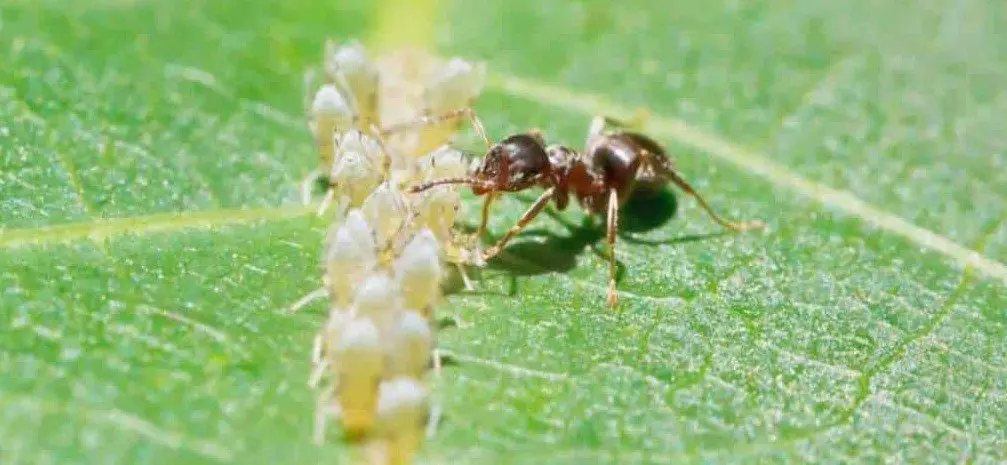
Aphids on pothos plants can cause the leaves and stem to become sticky which will attract other pests like ants. They also excrete a type of sugar called honeydew that is high in carbohydrates, making it more difficult for the plant to absorb water and thrive.
Conclusion
In conclusion, you can get rid of aphids on pothos plants with any number of organic treatments. Neem oil, pyrethrum spray, and boric acid are all effective ways to kill the aphids that love your plant!
If you’re able to, attracting predators like ladybugs to your home is also a great solution for dealing with aphids on your pothos plants because it will provide you and the plant with pest control benefits.
by Gardener Tim | Sep 8, 2021 | How To's, Plant Care
Aphids are a common problem for gardeners and homeowners alike. They can be difficult to get rid of, but there are plenty of effective methods out there. In this blog post, we will cover the best ways to get rid of aphids on monstera plants.
How To Get Rid of Aphids on Monstera?
Aphids are a pest that feeds on your monstera plants leaves and aerial roots. They can cause damage to the leaves or stem of your plants, and they may even spread disease between plants. Here’s how I deal with them:
Wash with soapy water
This can be an effective way to get rid of aphids on monstera plants. I like using a solution of mild dish soap with lukewarm water (about one teaspoon per cup). Use an old soft toothbrush, or spray the plant with your homemade mixture and use that same toothbrush to gently scrub the leaves.
Neem oil
Another natural option for getting rid of aphids on monstera plants is Neem oil (Amazon link). It’s derived from the Indian neem tree and it acts as a fungicide, pesticide, and insect repellent. You can use Neem oil in your garden or buy concentrated formulas to treat indoor plants with infestations.
Insecticidal soaps
There are many different formulations available when you need an effective way to get rid of aphids on monstera plants. These soaps will kill any insects they come into contact with while still being safe for humans and pets – as long as you follow the instructions carefully!
I like using this method because it works well without causing damage (unlike some chemical sprays) but be sure not to over-apply or you could end up damaging your plant.
Boric acid
A popular method for getting rid of aphids on monstera plants is boric acid. Simply mix it with a small amount of water and spray the mixture onto your infested monstera plant to kill off any adults as well as larvae and eggs that may be present.
Boric acid can damage some types of paint, so be sure not to let it come into contact with anything but the leaves of your plant!
Just remember that it’s toxic if ingested by humans or animals – so don’t use this option indoors where children might play around with these kinds of chemicals without supervision.
Using Predators to Get Rid of Aphids from Monstera
I’ve had great success using insects called predatory mites to get rid of aphids on my monstera plants. These little bugs are completely safe for humans and pets, but they love eating other small pests like aphids, thrips, whiteflies – even spider mites!
Why Are Aphids a Problem for Monstera Plants?
Aphids feed on sap from plants. This causes a sticky substance known as honeydew to form, which can attract ants and other insects. This honeydew that is secreted by aphids can also cause mold or fungus to grow on plants.
Damage caused by aphids includes distorted plant growth, wilting leaves, yellowing of the foliage, and curling leaves. The most serious damage they do though is spreading disease from one plant to another.
These diseases are difficult for home gardeners to treat without using chemicals, so it’s best just not to let things get out of hand in the first place!
Conclusion
In conclusion, you can get rid of aphids on monstera plants by using a few simple techniques. Using soap and water is one of the most effective ways to kill these pests, while also being environmentally friendly – just be sure you don’t damage your plant!
Neem oil works well too if you’d like an all-natural solution that doesn’t contain harsh chemicals. You can also use predators such as predatory mites or ladybugs to get rid of aphids and other small insects without needing any special equipment.