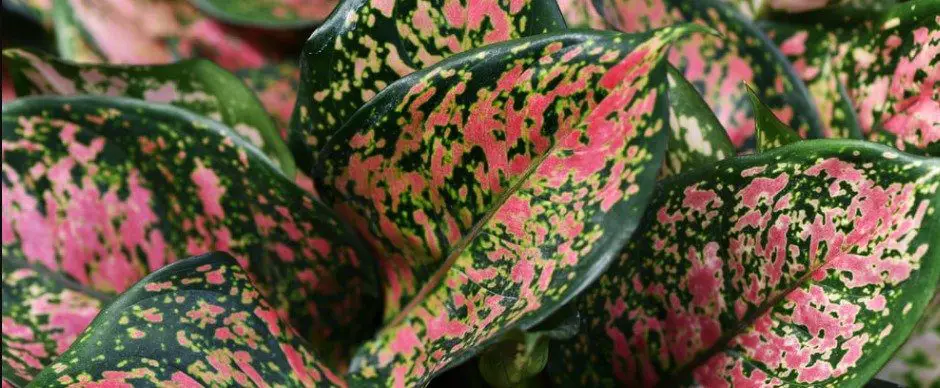
Aglaonema, also called the Chinese evergreen plant, is a popular houseplant that many people love. It’s very easy to care for and can be grown in your home without any issue. One of the most common questions we get about this plant is whether or not it’s toxic to cats… The answer may surprise you!
Is Aglaonema Toxic to Cats?
Yes! There are two Aglaonema varieties that contain calcium oxalate crystals, which can be toxic to cats. These species include the silver queen aglaonema (Aglaonema modestum) as well as the parlor palm or nephthytis (Aglaonema commutatum).
What To Do If Your Cat Eats Aglaonema?
If your cat has ingested any part of the silver queen aglaonema, including the leaves or stems, contact your veterinarian immediately. Symptoms include vomiting, drooling, and diarrhea.
While most cats recover within 24-48 hours with treatment from a veterinarian, some may experience more severe symptoms, such as tremors or seizures that require medical attention right away!
How To Stop Cat from Eating Aglaonema?
One of the best ways to protect your cat from a potential trip to the veterinarian is by keeping this plant out of their reach. If you have an aglaonema in your home, it’s very important that you keep it in a room where cats can’t get into them!
Not only will this ensure that no harm comes to your feline friends, but it also keeps these plants looking great too.
Although there are many different types of houseplants available today, if you’re looking for one with low-maintenance and easy care requirements – we highly recommend giving Aglaonema or Chinese evergreen plants a try!
These beautiful foliage plants may look delicate at first glance, but they require much less attention than other popular varieties. Their main requirement is to simply keep them moist, which can be done by watering once or twice per week!
In conclusion, aglaonema is a beautiful houseplant that many people love. However, if you have cats in your home, it’s very important to keep this plant out of their reach!
While ingestion can lead to mild symptoms such as vomiting and drooling, some cases can be more severe with tremors or seizures requiring immediate medical attention.
If ingested by your cat, contact the veterinarian immediately for treatment options. Although most cats recover within 24-48 hours without any lasting effects from calcium oxalate crystals – it may still require close observation at the animal hospital until all symptoms are gone completely!
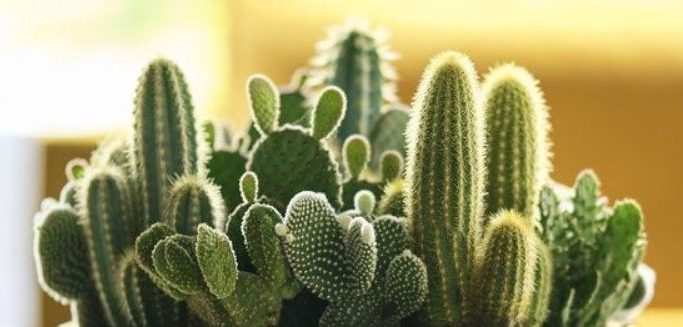
In this article, I reveal the truth about whether cacti produce oxygen. This is a common question among anyone who likes to enjoy the great outdoors, and I’m here with all of the scientific facts that you need in order to make an educated decision.
Do Cacti Produce Oxygen?
Yes! Cacti produce oxygen. In fact, they absorb carbon dioxide and release oxygen in the same way as most plants do! So, next time you’re in the desert and feeling short of breath, remember that cacti are your friends. This means cacti are able to clean the air!
Cacti produce oxygen when they absorb carbon dioxide and release oxygen as a byproduct of photosynthesis.
How Much Oxygen Do Cacti Produce?
It’s hard to say exactly how much oxygen cacti produce, as this varies depending on the size and species of cactus. However, it’s safe to say that they won’t significantly increase the oxygen levels in your immediate surroundings.
You would need dozens of cacti to notice a difference yourself, so don’t expect to be able to breathe more easily just because you’re surrounded by one or two cacti.
However, every little helps, and I enjoy keeping a cactus in my bedroom to increase the oxygen levels and remove any harmful toxins from the air.
The benefits of owning cacti are plentiful. They are attractive, they help decrease air pollution in your immediate surroundings, and they are low maintenance.
How Do Cacti Breath?
Plants breathe through their leaves, but cactus do not have real leaves, so how do they breathe? Cactus have spines instead of leaves, but these are not what they use to absorb carbon dioxide and release oxygen.
Cacti have a stomata in their stem, which is a small opening that allows them to absorb carbon dioxide and release oxygen. This is the same as how leaves work in other plants, except plants have stomata on their leaves, whereas cacti have stomata on their stems.
What Other Plants Produce Oxygen?
There are plenty of plants that produce oxygen. In fact, if you have a houseplant, it’s likely producing oxygen for you right now!
Ferns are a great example of a plant that produces oxygen. They’re low maintenance, and they come in a variety of different sizes, so there’s sure to be one that will fit in your home.
Boston ferns are especially good at removing harmful toxins from the air, so if you’re looking for a plant that does double duty, a Boston fern is a great choice.
Finally, spider plants are known to increase oxygen levels, but they also clean the air of any harmful toxins. There are many types of spider plants, so you’ll be sure to find one that fits your lifestyle!
I can ferns on the floor of my living room, cacti on the windowsill in my bedroom, and spider plants in random locations around my home. To be honest, my bedroom is a bit of a jungle, but I love it! Having plants in your home is a great way to improve air quality and increase oxygen levels. Not to mention, they’re attractive and can add some life to any room.
Conclusion
in conclusion, cacti produce oxygen and are a great way to improve the air quality in your environment. consider keeping one in your bedroom or office for a boost of fresh oxygen!
They’re good to have around as decoration and can help increase air quality if you have one or two dotted around your room. If you want something that’s going to actively clean the air of any harmful toxins, you should consider one (or more) plants.
But while they do produce oxygen, don’t expect them to singlehandedly solve your air quality issues. If you’re looking for other plants that produce oxygen, consider the fern, spider plant, or bamboo!
I hope this article has been helpful! Thanks for reading and remember to like this post if you enjoyed it. If you have any questions, please give me a message and I’ll be happy to answer.
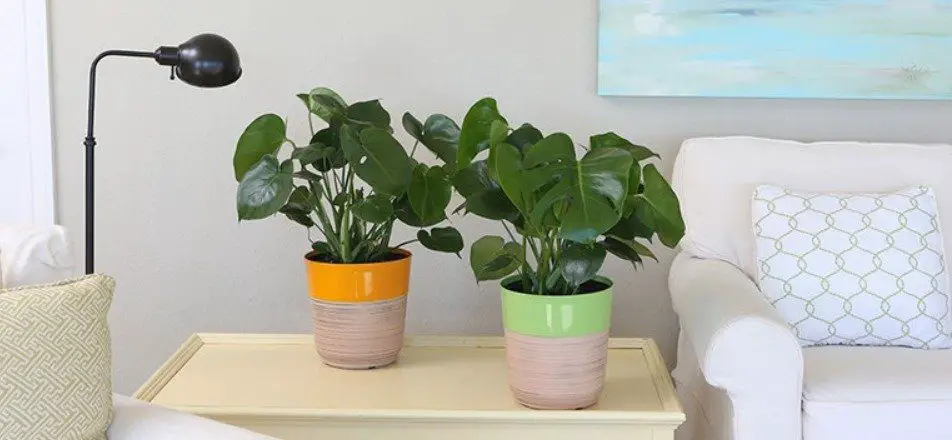
Monstera plants are beautiful, but they require a lot of light to grow properly. If you’re looking for the best grow light for monstera plants, then we have just the thing!
We collected all of our top picks and put them in one place so that you can find what’s right for your space.
Best Grow Light for Monstera
I will now talk about my two favorite grow lights for monstera plants. The first is perfect for nearly any situation and is the one I use, whereas the second is a simple grow light that does the job.
This is one of the best grow lights for monstera plants because it’s easy to use, powerful, and uses a mixture of red and blue light. In fact, it comes with 32 red lights and 16 blue lights.
The light comes with a total of 9 dimmable modes, so it’s easy to adjust as your plant grows. If you want the best grow light for variegated monstera, then set the light to 100% power.
It also comes with a power cord and an on/off switch, so it can be easily turned off when you’re going out of town or just need the light to stay off for a while.
For when you’re popping out of the house for a few hours, you can use the timing function. This allows you to set the light to stay on for 3, 9, or 12 hours. I love this feature because it allows me to keep the light on for a set amount of time so that my plants get enough light.
You can also adjust the LED lights to your heart’s content, which means you can position it perfectly to your monstera plant.
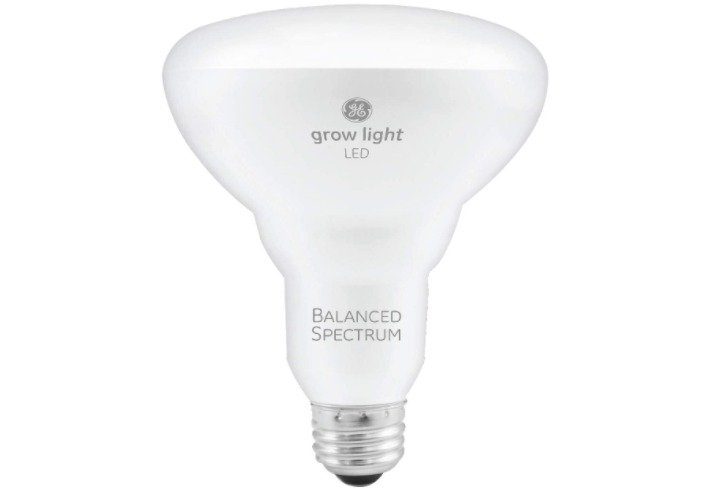
This is another great grow light for monstera plants that I love. It’s fantastic because it’s so easy to use. Simply connect it to any light fixture, and then turn it on.
Many love this because you don’t have to worry about adjusting anything! It does everything by itself so that you can focus on other things in life.
All you have to do with this LED grow light is simply screw in the bulb and plug it into your outlet! This makes it easy to use with any system you have.
It also comes with a 12-month warranty, which means that if the bulb stops working within the first year of ownership, GE will replace it for free!
The best part about this grow light is its energy efficiency. This LED light only uses 9watts of electricity but emits as much or more light as a standard 60watt incandescent light bulb.
When selecting grow lights, be sure to check the PPF (Photosynthesis Photo Flux) rate. Well, this grow light comes with the highest number of micromoles available on the market today, which means it can power your plant to thrive.
Why Do Monstera Plants Need Light?
Monstera plants are tropical, so they require a lot of light. They need bright, indirect sunlight to grow properly. Monsteras that don’t get enough light will become tall and spindly as the plant stretches in an attempt to find more light indoors!
In fact, they need light to do almost everything. Monsteras need light to grow, period!
Will A Grow Light Help My Monstera Grow?
Yes! A grow light will help your Monstera plant to thrive. Monsteras are tropical plants that originated in the rainforests of Central America, so they need plenty of sunlight to survive and flourish.
This is why you’ll see them growing out of tree trunks or hanging from branches where they can get lots of natural light!
What’s more, these plants have adapted their leaves with holes (called “windows”) as an additional way to let even more sunlight filter down into their root systems below ground.
Grow lights help by mimicking the sunlight that your Monstera plant would get from outdoor light. This way, it can photosynthesize just like it would in its natural habitat!
If you have a plant like this one, then we highly recommend using full spectrum grow lights. They will provide all three types of UV rays needed by plants, which makes them better than regular fluorescent tubes.
Conclusion
In conclusion, monstera plants need a lot of light to grow properly. if you have a Monstera houseplant, remember that it needs lots of bright indirect sunlight in order to thrive – as well as full spectrum grow lights to give it everything it needs! Failure to do so can result in an unhealthy (and leggy!) looking indoor monstera plant.
I hope this article allows you to grow a healthy monstera plant. If you want to know more about monstera plants, feel free to use the search bar at the top of this page.
The leaves of an orchid plant are turning white! What is happening? In this article, we will discuss possible reasons why your orchid plant’s leaves have turned white and what you can do to fix the problem. Read on to learn more about this topic.
Why Are My Orchid Leaves Turning White?
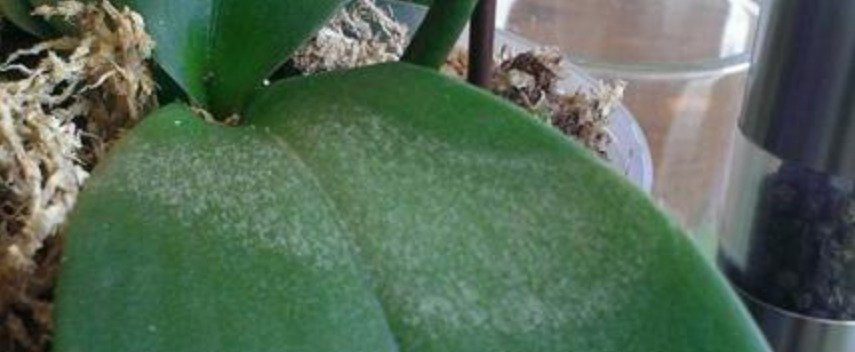
The most likely reason why your orchid leaves are turning white is due to powdery mildew, which is a type of fungus. In fact, it is common for orchid leaves to be attacked by powdery mildew due to the soft texture of their leaves.
When your orchid plant’s leaves are being affected by powdery mildew, they will turn white and become very dusty-looking. The next time that you look at your orchid, make sure to check under each leaf as well because this fungus can spread quite easily.
What to Do if Your Orchid Leaves are Turning White?
There are a number of things that you can do to prevent powdery mildew from attacking your orchid’s leaves. First, make sure that there is plenty of airflow inside and around the location where your orchids grow.
Second, clean up any dead plant matter on the floor below them so that it does not spread spores into the air as dust particles.
Thirdly, invest in an oscillating fan near where your plants grow because this will help with proper circulation and regulate humidity levels.
Fourthly, potting soil should be allowed to dry out between waterings; overwatering these types of plants can lead to powdery mildew.
Lastly, you should always an organic fungicide, like neem oil, to prevent this fungus from attacking your orchid’s leaves again. This oil works to suffocate the spores of any fungi that are present on the plant. You may be able to find these types of products at your local garden center as well as online retailers like Amazon.
Orchid Plant Care To Prevent Powdery Mildew
To protect against disease and fungal infection, you need to give your orchid everything it needs to thrive.
Watering your orchid
Ensure that the potting soil dries out between waterings. Orchids need at least an inch of moisture in their pots, so make sure to check for wetness every day.
If you are unsure if a plant is too dry or too moist, it’s best not to risk watering the plant until all doubt has been removed. Note that there should be no standing water inside the saucer after 15 minutes have passed since filling up with liquid!
Humidity levels
A good way to increase humidity around these plants is to group them together. If you have a lot of orchids, it is possible to make your own humidity tray for just a few dollars!
Place pebbles in the bottom and then top that with potting soil before planting each plant on top. Then place a jar filled with water into the center, which will create humidity around these plants as the water evaporates.
Lighting
Orchids need lots of bright, indirect sunlight to grow and thrive. This means they should not be in a dark corner of your house where no light reaches them! Try moving this pot closer to a south-facing window if it’s currently shaded by other plants or furniture inside its location. Or move the plant outside during daytime hours for some fresh air every day (when weather permits).
Using good quality soil and pots
Most importantly, use high-quality soil when planting these types of plants because cheap soils will not give orchids what they need to get strong roots and absorb vital nutrients.
The pot should also have a drainage hole to prevent water from accumulating and rotting these plants’ roots over time, as this can lead to disease that kills orchids in their prime!
Conclusion
Hope this helps!
As you can see, there are multiple reasons why your orchid leaves could be turning white instead of green like they normally do. Do not worry because if you follow all of our tips for growing healthy orchids shown above, then it will likely grow out of its fungus problem within a month or two.
We hope that we were able to provide you with some helpful information about why your orchids’ leaves have turned white and what you can do in order to fix it! If there is anything else that you would like us to add for future posts, please let us know in the comment section below!
Are your yucca leaves turning white? If so, don’t worry. There are many causes of this happen and some easy ways to fix the problem. We will go over some common causes for yucca leaf discoloration in this blog post, as well as solutions that you can try out!
Why Are My Yucca Leaves Turning White?
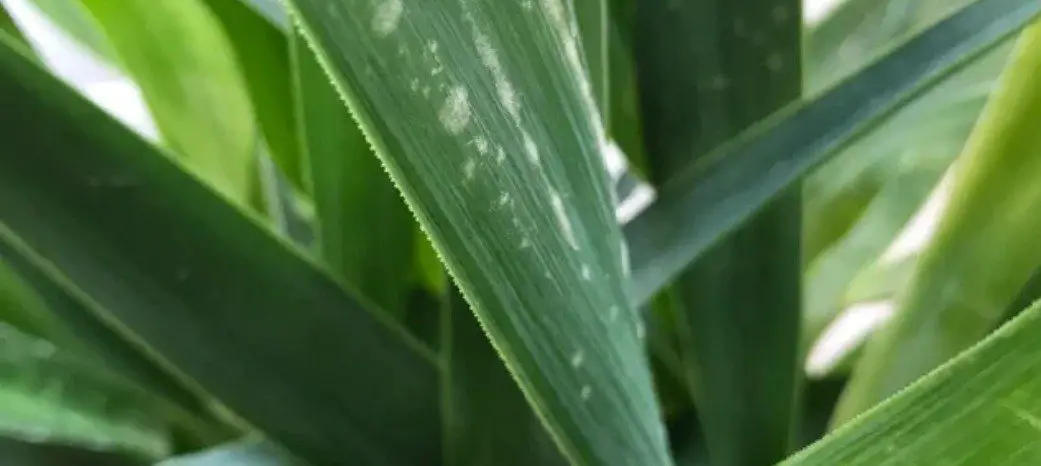
Yucca leaves turn white when powdery mildew takes control. This is a fungus that causes small patches of white fuzz to appear on the leaves. This happens when there is too much shade for your yucca plant, or if it’s sitting in water all day long.
Powdery mildew occurs when your plant is in a damp environment and conditions are warm, around 70 degrees Fahrenheit. The fungus can also infect during the winter season if you live in a humid location.
If only one or two leaves turn white, simply pluck them off at their base with tweezers and dispose of them properly away from pets and children so they don’t play with it!
If more than half of your yucca’s foliage has turned completely white, this could indicate a serious problem that requires urgent attention.
You can stop powdery mildew by moving your plant to a new location that gets more sun and less humidity. You can also increase airflow around the leaves by pruning back any other plants growing near them.
To get rid of powdery mildew for good, cut off all of the affected foliage down at its base with scissors and make sure not to leave any old leaves hanging onto the stem as this will provide powdery mildew an opportunity for growth again!
Then you should apply neem oil to the plant to kill off any remaining fungus. I like using neem oil because it is a natural and organic way to treat powdery mildew. It will not harm pets or children!
FAQ
Is neem oil safe?
Yes, neem oil is a natural fungicide that is completely safe for plants and humans alike. It will not harm your pets or children!
What do I mix the neem oil with?
You can apply it straight from the bottle, but some people prefer to dilute it so they don’t have to worry about over-applying. You can either use water mixed with dish soap as a sprayer, or you can mix it with organic plant oil, such as jojoba or coconut.
Is powdery mildew dangerous?
In most cases, no. Powdery mildew is usually a cosmetic problem that can be easily fixed with organic methods.
However, if the plant has been severely affected by it for an extended period of time then your yucca may begin to suffer from nutrient deficiencies due to its lack of ability to photosynthesize properly. This could eventually lead to root rot so keep an eye out for this!
In conclusion, yucca leaves turning white are most likely caused by powdery mildew. If you have tried everything and your yucca is still not green, it might be time to say goodbye!
However… don’t give up just yet! You can stop powdery mildew by moving your plant to a new location that gets more sun and less humidity. You can also increase airflow around the leaves by pruning back any other plants growing near them.
To get rid of powdery mildew for good, cut off all of the affected foliage, and then use neem oil to kill the fungal infection.
I hope this information has been helpful. If you have any questions, don’t hesitate to ask!