Zucchini leaves turning white can be a frustrating problem for gardeners. The good news is that there are ways to prevent and cure this issue. Here we will discuss the most common causes of zucchini leaves turning white, as well as some easy solutions for getting your plants back on track!
Why Are My Zucchini Leaves Turning White?
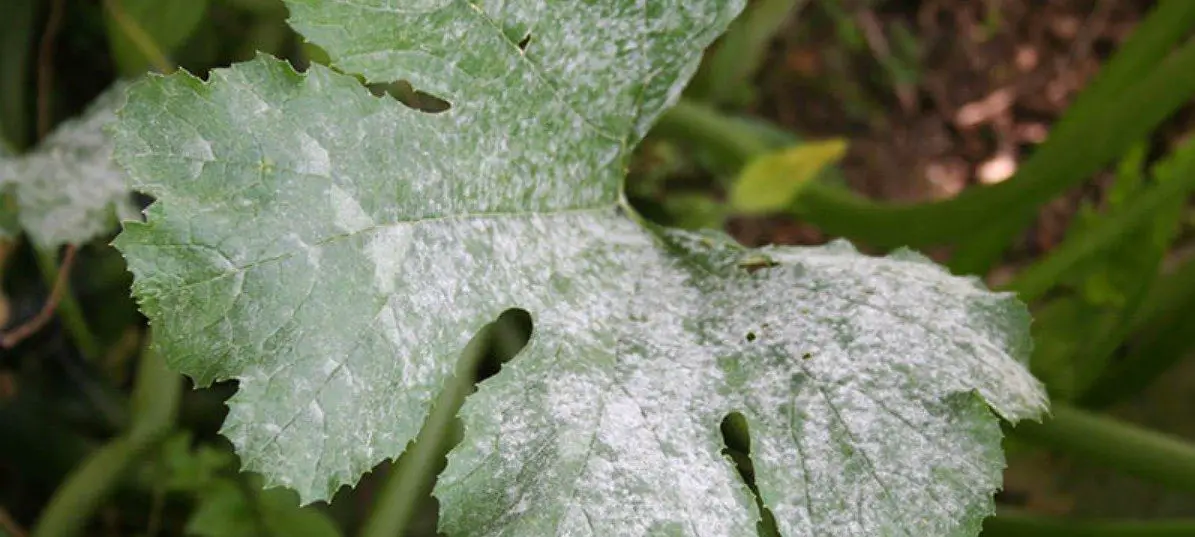
The most likely reason for zucchini to turn white is because of powdery mildew – a type of fungi that causes the leaves of the zucchini and stems to form an off-white layer.
The fungus appears when the soil is too moist for a long period of time, such as late summer or early fall after many weeks of rain. Powdery mildew spreads easily because spores are carried in the wind!
How do you know if your zucchini plant has powdery mildew? Look closely at the leaves of your zucchini. If they have a dusty white coating, it is likely powdery mildew and should be treated immediately to avoid further damage.
Zucchini leaves can also appear white from infestations of tiny bugs called whiteflies. These pests tend to be attracted to plants that are stressed or have a virus.
How to Prevent & Treat Zucchini Leaves Turning White
The best way to stop zucchini leaves from turning white is to avoid the conditions under which powdery mildew thrives – wet soil and humid air (which you can do by raising your plants off of the ground on shelves).
If you see signs of infestations from whiteflies or other pests, treat the plant with an insecticide before it gets worse. You can also try spraying the leaves with a mixture of water (either fresh or leftover tea) mixed with seaweed extract every few weeks.
Neem oil is a pesticide and fungicide that will effectively treat powdery mildew and get rid of any pests on your zucchini. I like using the NeemMax brand (Amazon link).
If you’ve tried everything and your zucchini leaves are still turning white, then the plant may be suffering from a potassium deficiency or stress due to too much heat, direct sunlight exposure, or lack of water. Try giving your plants an all-purpose fertilizer that includes micronutrients such as magnesium and potassium, and see if that helps get your zucchini plants back on track.
Quick Care Tips
Zucchini is a tough plant, but it does have some vulnerabilities. Since powdery mildew thrives in wet soil and humid air conditions, your best bet is to avoid watering at night or overhead sprinkling for a few hours before the sun sets (when possible).
First, zucchini plants like to be watered at the base of their stems, not on the leaves. When watering your plants make sure that you soak them well but do so infrequently – this will ensure that they aren’t sitting in water for too long.
Make certain they have enough light as well. Zucchini plants require at least five hours of bright, indirect sunlight each day to thrive.
It’s also important that they have plenty of space around them to grow – zucchini plants should never be crowded together.
If you notice that your leaves are turning brown and crispy, then the plant is probably suffering from a lack of water or too much heat exposure. Try watering more frequently by hand (making sure not to overwater) so that they get adequate moisture.
Conclusion
In conclusion, zucchini leaves turning white can be a frustrating problem for gardeners. The good news is that there are ways to prevent and cure this issue. We discussed the most common causes of zucchini leaves turning white, as well as some easy solutions for getting your plants back on track!
Hibiscus plants are some of the most popular flowering plants because they provide a beautiful show for summer. In addition to their attractiveness, hibiscus plants also have health benefits when used in tea or eaten as fruit.
But recently, many people have been noticing that their leaves are turning white and this is not normal. This blog post will discuss possible causes and cures for hibiscus leaves turning white.
Why Are My Hibiscus Leaves Turning White?
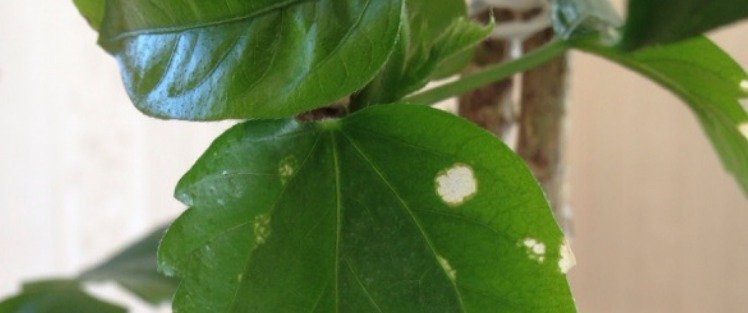
There are several reasons why hibiscus leaves turn white. The first reason is powdery mildew, which is a type of fungus that forms as white powder on leaves and stems. It can be caused by low humidity, high temperatures, poor air circulation, or over-watering the plant.
This fungus uses long tendrils to attach itself to the plant’s surface where it then penetrates into its cells and releases enzymes, which results in turning leaves white – from top to bottom.
Treating powdery mildew on hibiscus plants usually depends on how severe it is. In the early stages of this fungus, you can simply use a damp cloth to wipe off any white spots that appear. If more and more leaves are being affected by this fungus, then consider spraying your plant with neem oil (Amazon link)every few days.
How To Remove White Bugs from Hibiscus?
To get rid of whiteflies, start by simply removing any leaves with whitefly infestations. Once the eggs hatch and these little guys become adults, it’s too late to treat them—they’ll just keep coming back!
If you see adult flies flying around your hibiscus plant from time to time (as they will be attracted to weak plants), then use a cotton swab soaked in rubbing alcohol to wipe up as many bugs as possible. This works great because their bodies are so soft that they can’t remove themselves once stuck on the goo!
Since this is not a guaranteed fix for all types of whitebugs, we recommend using an effective neem oil like mentioned above if you notice more than just a few bugs.
Hibiscus Care Tips
It’s important to care for your hibiscus if you want it to thrive. Here are a few of my favorite care tips:
Feed your hibiscus plant every two weeks with a balanced fertilizer (such as 20-20-20) diluted to half strength
Prune your hibiscus plant once a year, right after it completes flowering
They like temperatures between 70 and 90 degrees
Give your hibiscus at least six hours of sun a day
Avoid overwatering your hibiscus plant, as this is one of the most common causes of root rot
Make sure you have enough humidity around your plant, but avoid having it sit in a tray of water
Conclusion
In conclusion, if you notice your hibiscus leaves turning white, then chances are there is some form of powdery mildew or a large infestation of whiteflies. Treating these conditions as soon as possible will ensure that your plants can recover and grow new healthy green leaves in the future!
Whether you have powdery mildew or whiteflies, your hibiscus plant is still able to recover and thrive if treated accordingly. Be sure to also follow the basic care tips if you want to ensure that your hibiscus plants are able to grow into beautiful and healthy specimens.
Every gardener knows that plants need water to survive, but what do you do when the leaves on your money tree start turning white? This is a common problem with indoor plants. In this article, we’ll discuss the most common causes and cures for white leaves on a money tree. Read on to learn more!
Why Are My Money Tree Leaves Turning White?
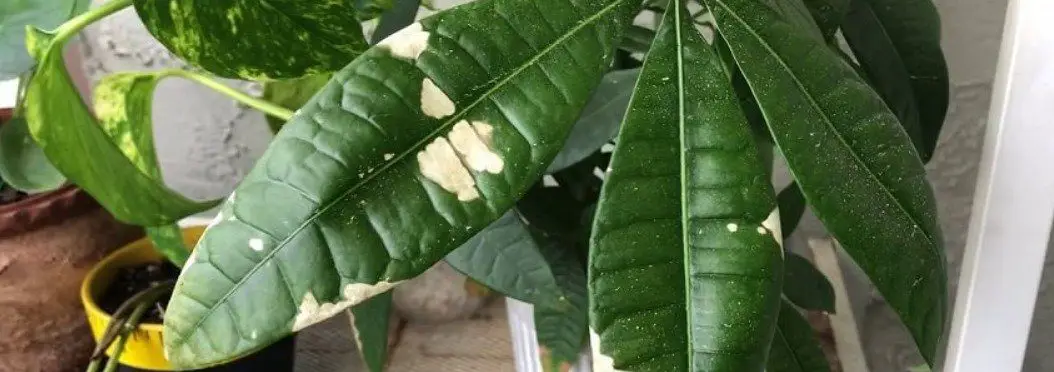
Your money tree leaves are turning white because of powdery mildew. Powdery mildew on plants is a fungus that can be found all over the world. It causes leaves and stems to become covered with powder, which reduces plant growth. Once this starts happening, it spreads fast!
Powdery mildew can be caused by different things. If you’re growing the plant inside, it can mean that there’s not enough air circulation in and around the leaves of your money tree. If this happens outdoors, powdery mildew may appear on the leaves if they were damaged from wind storms or rain damage.
Whiteflies are another common culprit for turning money tree leaves white. These are tiny, flying insects that feed on the sap of a plant’s leaves and stems. They can be incredibly difficult to get rid of, but the best way is to keep your money tree healthy by keeping it in a well-lit room and providing adequate water.
What Can I Do About Money Tree Leaves Turning White?
The easiest way to defend your money tree from white powdery mildew is to wipe down the leaves and stems with water every few days. Make sure you get all of those pesky spores off!
Indoor plants need plenty of air circulation to stay healthy. If you’re growing your money tree indoors, make sure the leaves are not touching each other and that there’s adequate space between them.
Make sure that nothing is blocking excess sunlight from getting to the plant’s leaves! Remember, too much sun can burn leaf tissue just like it does on humans! Be careful with direct exposure during peak summer hours when temperatures are hot and humid as well.
Don’t over-water your plant – this can cause root rot and other serious problems. Water the plant until water runs out of the bottom pot, but don’t allow it to sit in a saucer full of excess water!
Keep your money tree’s leaves free from whiteflies by wiping them down with soapy dishwater or an organic insecticide like neem oil if you see any signs of them nearby! They reproduce fast and can quickly become a problem.
You should also consider moving your plant outside during warm months for some fresh air – just remember that it won’t be able to tolerate cold winter weather when you bring it back indoors again.
Conclusion
In conclusion, white leaves on a money tree are usually caused by powdery mildew or whiteflies. The best way to cure the problem is by keeping your plant clean and providing adequate water, sunlight, and air circulation.
To get rid of powdery mildew for good, you can use a fungicide spray designed for indoor plants. Remember, too much sun or excess water can cause problems as well!
If you’re looking to buy a money tree plant, make sure you get one that’s healthy and vibrant in color – not white with powdery mildew!
It can be a shock to come home and find that your pothos leaves are white! If this is happening, you may wonder what could have caused it. Fortunately, there are many reasons why they might turn white. In today’s blog post we will discuss the various causes of this problem and how to fix them so you can enjoy healthy pothos plants once again!
Why Are My Pothos Leaves Turning White?
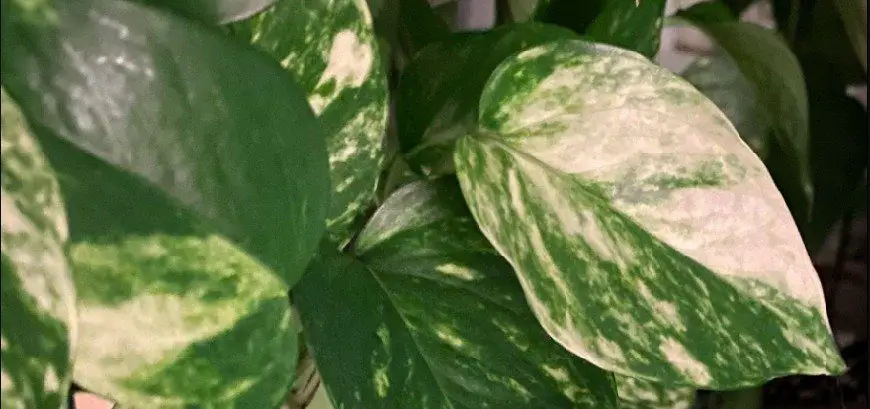
White leaves on pothos plants can have multiple causes, depending on the type of white you see. Sometimes it’s a powdery substance that accumulates over time, other times there are little bugs crawling around the leaves, and sometimes you may just own a variegated pothos without realizing!
The most likely reason why your pothos leaves are turning white is due to powdery mildew, which is a type of fungi that can cause white powder to form on the top and underside of your pothos leaves.
This fungus usually appears when conditions are too moist for long periods, such as in late summer or early fall after the rain has fallen frequently over many weeks.
There’s also the likelihood that you have variegated pothos, which is usually more sensitive to being exposed to too much sun or dry air. This can cause the white patches you see, but it will only affect a small portion of your plant and not all over like with powdery mildew.
Whiteflies are another common culprit for turning pothos leaves white. These tiny bugs tend to be attracted to plants that have been weakened in some way, such as those growing under stress from over-watering or infestations of spider mites (which we’ll discuss below).
If there is an outbreak on one part of your pothos plant, then chances are there are many little eggs hidden within other hiding places throughout the rest of the pot!
How To Treat Powdery Mildew on Pothos?
If your pothos leaves are turning white, then chances are you have a type of fungus known as powdery mildew. Powdery mildew is most likely to show up in late summer or early fall when conditions for fungal growth are perfect (high humidity levels combined with cool nights).
To treat any existing powdery mildew on your plants, I recommend using neem oil. Neem oil is a natural fungicide that will kill the powdery mildew spores without harming your plants.
Simply mix neem oil with water in a spray bottle and apply it to the affected areas of your plant. Be sure to cover both the top and bottom of each leaf, as well as any stems that are covered in the white powder.
You will need to reapply this every few days until the powdery mildew is gone for good!
How To Stop Powdery Mildew from Returning?
To prevent powdery mildew from returning, make sure to water your pothos plants at the base of the plant (avoid getting the leaves wet) and allow them to dry out completely between waterings. You should also increase the amount of airflow around your plants by opening windows or using a fan.
If you live in an area with high humidity, you may want to consider investing in a dehumidifier for your home. This will give your pothos a chance to breathe and will help keep powdery mildew at bay!
Finally, regularly clean your plants with a soft cloth or brush to remove any dust or debris that could be providing a perfect place for powdery mildew to grow. You can use a diluted solution of water and dish soap if needed.
How To Remove White Bugs from Pothos?
If you notice little bugs crawling around the leaves, they are probably whiteflies. These bugs are a nuisance and can quickly infest an entire pothos plant if left unchecked!
To get rid of whiteflies, I recommend using neem oil again, as it will kill the bugs on contact. You can also try using yellow sticky traps, which will attract and trap the whiteflies.
Make sure to place the sticky traps near the affected areas of your plant, as well as any other plants in your home that could be infested. You will need to check the traps regularly and replace them when they become full.
To prevent whiteflies from returning, make sure to keep your pothos plants healthy and free of stress. These bugs are attracted to weak or stressed plants, so by keeping your pothos strong, you will make them less likely to be targeted by whiteflies.
Quick Care Tips
Pothos can be a great plant to own as it is very resilient! However, there are some things you should know about them.
First, pothos plants like moist soil and humid air for the best results. But make sure your pot has adequate drainage so that water doesn’t sit at the bottom of the container for long periods of time.
You’ll also want to make sure they are getting enough light. Pothos plants love bright, indirect sunlight for at least five hours per day.
Finally, make sure to fertilize your plant every couple of months during the spring and summer with a houseplant fertilizer.
Conclusion
In conclusion, there are many reasons why pothos leaves turn white and most of them can be easily remedied. Pothos leaves turning white can be distressing, but now you know the culprits!
If you are having a severe problem with white powdery substances, consider adding fungicide soap. However, if the problem is caused by whiteflies, then you may want to try insecticidal soap or neem oil first!
It’s also worth checking that you don’t own variegated pothos, which naturally turn white in some places.
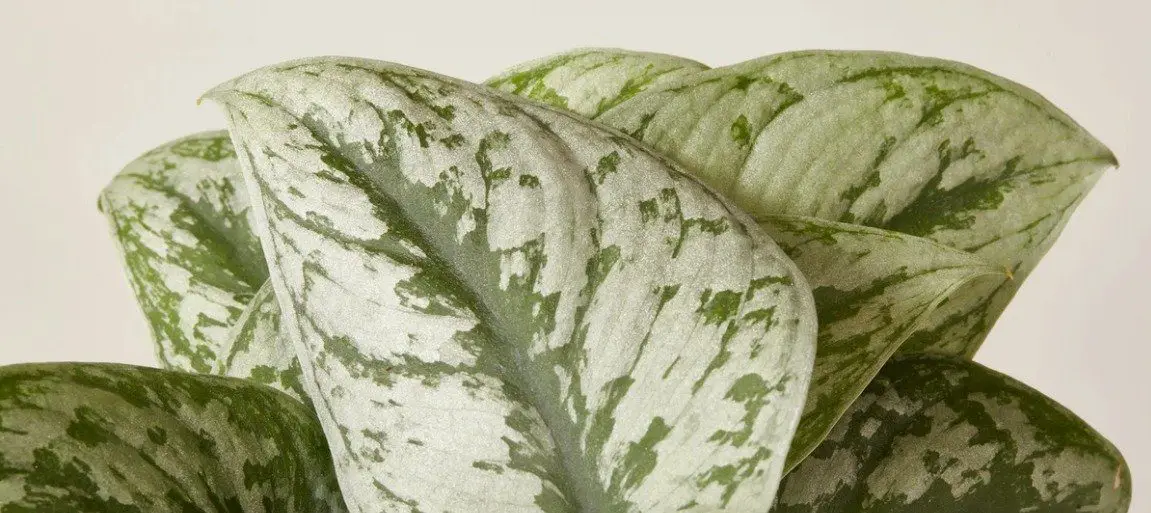
Many people are interested in what it takes to care for a silver satin pothos. This is because the plant has attractive silver-green leaves that almost look like satin! The plant is also fairly easy to take care of, but there are some tips to be mindful of.
It does not require much water or sunlight, making it perfect for those who live in apartments or smaller homes. This silver satin pothos care guide will take you through everything you need to know about caring for this beautiful plant!
Silver Satin Pothos Care Guide
The pothos is a plant that’s easy to look after as long as you know the right tips and tricks. This guide contains information on how often it should be watered, repotted, its propagation process, and more! Let’s get started…
Silver Sating Pothos Soil
Silver satin pothos plants like soil that is moist but well-draining. This means that it should be moist, but also have lots of holes or spaces for the water to drain out. It’s also important that the soil has enough nutrients for the plant to survive.
I recommend a mix of soil with an equal amount of potting soil and perlite. This ensures that the plant gets enough water, nutrients, and drainage.
Silver Satin Pothos Water
The silver satin pothos should be watered once the soil is dry to touch. If you’re unsure if it’s time to water, check out how much sunlight your plant gets and where it stands on its watering schedule (more below!).
It’s important that you don’t over-water your silver satin pothos because this can lead to root rot – which will kill the plant! Be sure not to let any of the leaves get wet either as they’ll turn yellow and drop off easily.
You can check if it needs watering by inserting your finger into the soil. If you can’t feel any moisture, then it’s time to give the plant some water!
I tend to give the plant some water once a week during the summer and once every 2/3 weeks during the winter (where I live in the UK).
Silver Satin Pothos Sunlight
The silver satin pothos leaves can handle low-level lighting but thrives with bright indirect sunlight. I keep mine near a window that gets lots of light all day long and it seems to be doing really well!
You should avoid putting the plant in direct sunlight as this can burn its leaves, but indirect or filtered sunlight is perfect. It’s also important to make sure your silver satin pothos isn’t too close to a heater either as this will scorch its leaves.
If the plant isn’t getting the light it needs, then you may want to give it some artificial light with an LED grow light. These are a great option for indoor plants and can help promote healthy growth.
Propagating Your Silver Satin Pothos
Propagating your pothos is an easy process once you have one healthy adult plant! You can propagate silver satin pothos by leaf cuttings. This involves cutting a leaf (with node) off the silver satin pothos plant and placing it in some moist soil or water until roots begin to appear. You can then transplant this into its own pot once ready!
Silver Satin Pothos Fertilizer
Any all-purpose fertilizer will work just fine for your pothos. When you’re choosing a fertilizer, look at the levels of nitrogen (N), phosphorous (P), and potassium (K). The NPK ratio should be about 20:20:30 or something similar – this is what’s known as an “equation” ratio because it provides balanced nourishment to plants.
Regularly fertilize from March through October by adding ¼ tsp per gallon of water every other time you water. This ensures that they are getting enough nutrients to stay healthy throughout the entire year!
Repotting Silver Satin Pothos
Repotting your pothos is necessary if you’ve over-watered or the roots are growing out of their pot. To do so, gently pull apart the roots to separate them from each other and assess how much soil it’s taking with it (if any).
Once you get down to a root ball that can fit into your new container without breaking up, make sure there’s enough fresh soil in the bottom before putting it back together again! Finally, water one last time and then place on top of well-draining pebbles for added protection against overwatering.
Silver Satin Pothos Pests
The silver satin pothos is susceptible to a few pests that you’ll want to be on the lookout for. Aphids and mealybugs are both attracted to this plant and will leave behind a sticky residue, as well as damaged leaves in their wake.
If your pothos becomes infected with either one of these, simply wipe them off using an all-purpose cleaner or soapy water. You can also use neem oil, which has been known to kill aphids quickly!
If neither of those work, try to use ladybugs – they love troublemakers like aphids! Attracting predators is a small price to pay when it means getting rid of plant pests for good.
FAQ
Will my silver satin pothos need light?
If your pothos is in a dark room, you will probably want to provide it with artificial plant lighting for 4-10 hours per day. Without at least two weeks of this kind of treatment, the leaves may lose their variegated coloration. If that happens, treat them like any other low-light houseplant by providing bright indirect sunlight and some artificial light if needed.
Why is my silver satin pothos turning yellow?
Your silver satin pothos is probably experiencing a lack of nutrients or iron. If you find that your leaves are turning pale and developing yellow spots on the tips, then fertilize them with an all-purpose houseplant fertilizer as soon as you can.
What if my silver satin pothos gets too big for its pot?
Plants don’t grow very easily when they become root-bound, so repotting may be necessary once per year. You can do this by removing the plant from its current container and gently shaking off any excess soil around the roots before placing it in a new one, which provides more space.
What kind of fertilizer does my silver satin pothos need?
When fertilizing houseplants like these, we recommend using an all-purpose fertilizer, like Miracle Grow.
What is the best potting soil for silver satin pothos?
The ideal potting mix will be moist, but not soggy – this will allow excess moisture to drain away. We recommend using our special silver satin pothos potting mix for the best results! It contains everything they need in order to thrive indoors year-round, including an appropriate level of moisture retention.
How do I get rid of mealybugs on my silver satin pothos?
Wipe off with an all-purpose cleaner or soapy water. You can also use neem oil, which is known to kill aphids quickly! If neither of those work, try attracting predators like ladybugs – they love troublemakers like aphids!
Do I need special light bulbs if my plant doesn’t get much sun?
ry placing it near an east-facing or west-facing window where there’s plenty of brightness early on and then some dappled sun towards the end of the day. If that doesn’t work out as well as expected, artificial plant lighting will do just fine!
How often do I need to repot my silver satin pothos plant?
Your pothos should be fine if left alone, although they could benefit from being re-potted every two years or so. If there is soil residue on the roots after removing them from its container, make sure you clean them off before putting them back in a new pot.
Conclusion
In conclusion, the pothos is an attractive plant that doesn’t require much water or sunlight to grow into a healthy specimen. Its ease of care makes it perfect for beginners and expert gardeners alike!
Remember to water your pothos when the topsoil begins to dry out. You can tell this is happening by lightly touching it with one of your fingers and feel if there’s moisture on the surface or not. If you don’t feel any, then add a little water until it starts to drip from the holes at the bottom of the pot.
Also remember that during winter months, plants typically require less watering than they do in spring through summertime because cold weather slows down their growth process and evaporation occurs more slowly!