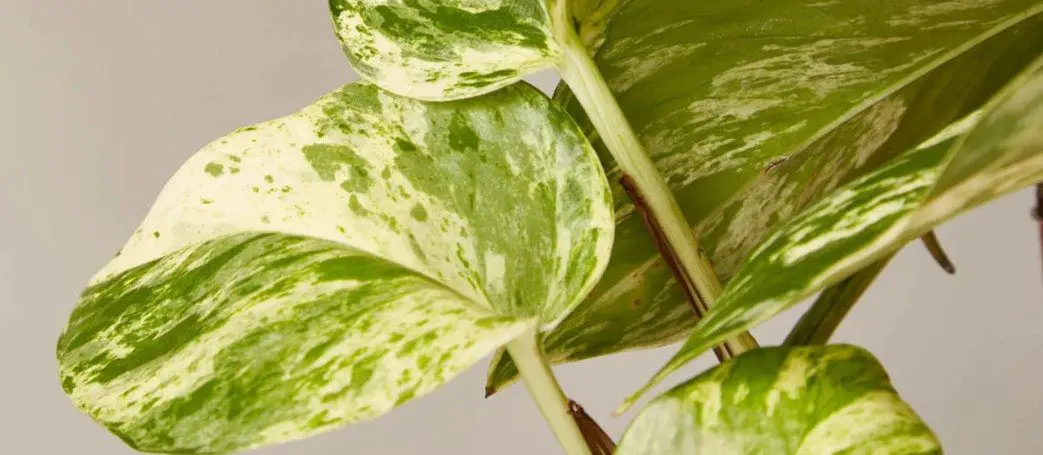
Pothos plants have been popular for decades. They are used as an ornamental plant, as well as a houseplant that is easy to care for. Silver satin pothos leaves can curl up or get icky brown spots on them and it’s not always clear what the cause of this problem is.
There are a few reasons why your pothos leaves might be curled or discolored, so read on to find out how you can fix it. Click here to learn about holes in pothos leaves.!
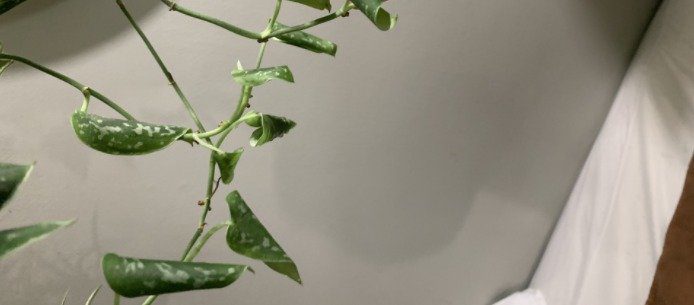
Why Are Silver Satin Pothos Leaves Curling?
The reason why your silver satin pothos leaves are curling is due to heat stress and underwatering, which is done to retain moisture.
I’ll now go into detail about how to stop the silver satin pothos leaves curling by giving them enough water and making sure they are protected from extreme heat…
Under-watering
Although one of the more low-maintenance house plants, a lot of novices tend to make mistakes with watering their pothos. They think that because it’s so easy to take care of and rarely dies, they don’t need much water for this plant. But in reality, under-watering can have major effects on how your satin pothos looks!
This type of pothos likes soil that is moist the majority of the time. As such, you should make sure the top inch of soil is wet if you notice it starting to dry out. The best way to do this is by watering it and waiting for the water to drain through.
There’s no need for any complicated testing methods, just place your index finger at least an inch below the surface, and then feel for dampness/dryness. You will generally need to water your satin pothos once per week, depending on the time of year.
The best idea is to create a plan to water your pothos plants more often than you have been. The soil of the plant will dry out after one round, so find time in your schedule or set up notifications on your phone for when it needs watering again!
Extreme heat
There’s also the liklihood that your satin pothis has been exposed to extreme heat, so is now trying to protect itself!
If the temperature isn’t between 65-85, then leaves will curl down at their edges. This is a natural defense mechanism that stops the leaves from burning in hot weather.
Make sure that it’s not exposed to any hot direct sunlight, and that it isn’t too far away from an air conditioning vent or fan! If you fear your pothos plant has been overheated, place the plant in shaded areas until normal temperatures are restored.
The real key is to keep your satin pothos in an area that doesn’t get hot sunlight throughout the day or where there is not enough airflow to cool the leaves down.
Will the leaves uncurl?
Yes! As long as you continue to give your plant the correct conditions, they should return back to normal within or two. However, it’s important to act quickly if you want to avoid any long-term damage to your satin pothos.
Conclusion
In conclusion, it could be one of two things. Either the plant is being exposed to too much heat for too long, or it’s been left without enough water and air circulation – both common mistakes made by novices with these plants!
If you’re unsure which problem your silver satin pothos has, take a look at its leaves– if they are curled up, then it may need more protection from extreme heat, while curling due to underwatering can be fixed simply by giving them some fresh water every week.
Many people grow Pothos plants in their homes or office. They are a beautiful plant and they don’t require much care. One thing that you may not know is whether the plant can survive in low light conditions, like an east-facing window. Read on for more information about how to take care of your pothos!
Can Pothos Survive in Low Light?
Yes, pothos plants can survive in low light conditions. For example, if you have an east-facing window in your house, the pothos can survive there if it has a few hours of indirect sunlight.
However, you should avoid placing it in a window that gets only direct sunlight because this can burn your pothos. Additionally, if you place the pot too close to windows or other doors, cold drafts may harm the leaves of the plant.
Although pothos plants can SURVIVE in low light, it doesn’t mean they will THRIVE there. This is why I recommend using a LED grow light (Amazon link) to help the pothos plants thrive in low lighting conditions.
These lights provide an even, bright light across your indoor space and can also be used outdoors if you need additional sunlight for plants like Pothos or Jade Plant near a window with too much sun exposure.
You don’t have to worry about harming the plant – these lights are actually safe for all types of houseplants!
The key is to not force your plant to survive in low light conditions…
The best thing you can do is find out the sun exposure of your home and put the pothos plant there. This way it will get enough light that it needs for optimal growth! For example, if your east-facing window has direct sunlight coming through most of the day – place the pothos there!
How Much Light Does Pothos Need?
As I mentioned above, the plant can survive in low light conditions. But that doesn’t mean it will grow properly or be able to produce flowers and new stems!
For optimal growth of your pothos plants, you should provide at least four hours of indirect sunlight per day – ideally from an east-facing window (but still tolerable from the south or west-facing window too).
For example, plant the pothos in an east-facing window and place the LED grow light near it for four hours each day. This will give your pothos all of the sunlight exposure that it needs to thrive!
Why Does Pothos Need Light?
This plant needs light for photosynthesis.
Photosynthesis is the process that plants use to turn water and carbon dioxide into oxygen, glucose (sugar), and other organic compounds. It also helps the pothos produce new stems and leaves by using energy from sunlight!
You can use the LED grow light to provide additional sunlight exposure for your plant and help it thrive! And since these lights are so bright, you don’t have to worry about harming the plant – they’re actually safe for all types of houseplants (just don’t leave your pothos under the lights for 24 hours a day).
Conclusion
In conclusion, pothos plants can survive in low light conditions as long as they have some indirect sunlight. They will NOT thrive there, however! For best results, put your plant where it gets the most sun exposure, and do not try to force a Pothos out of its comfort zone by placing it in an area that doesn’t get enough natural light.
If you do live in a home that doesn’t receive enough light, then you can use an LED grow light to supplement the natural light and keep your plant extra happy. I hope you enjoyed this article! Please feel free to view my other pothos articles, like this one: Why Is My Pothos Dying After Repotting?
Agave stalks are one of the most popular plants used in landscaping. They have a beautiful shape and they grow well even in tough conditions. But when it comes time to remove agave, what should you do with it? There are many ways that you can use them after removing them from your garden!
What To Do With Agave Stalk?
Here are my top 11 alternative ways to use agave stalks:
1. Flowers
Agave stalks are a good source of nectar for bees and butterflies, so after removing the agave stalk from your garden just leave it there as an addition to your flower bed. It will provide a home for many insects or other pollinators while you wait until next year’s flowering season!
2. Composting
If you have plenty that needs removal at once then this is the best use for them! You can grind up pieces into smaller bits before adding it to your compost pile, which speeds up the decomposition process by providing more surface area. This also helps with aeration within the dirt piles due to their spiky exterior.
3. Water Catchment System (Rain Barrel)
Another great way to put agave stalks to use is by using them as a water catchment system. Cut the stalk and put it in an elevated place, such as near your gutters or on a platform that you’ve built; make sure it’s not too close to trees so they don’t interfere with catching runoff water from rainstorms!
4. Geotextile
One of the most popular ways people have found for dealing with weeds around their garden is through geotextiles. These are bundles of thin fabric that can be molded into any shape desired. They’re used primarily for erosion control but also offer weed prevention–a great way to get rid of those pesky dandelions without harming anything else! You won’t need to worry about this with your agave stalks, as they’re excellent weed barriers!
5. Fertilizer
Agave stalks are a perfect compost base for making fertilizer. They may not be the most nutrient-rich plants in existence but they make up with their large surface area and fast decomposition rate; this will help you get back some of that valuable nitrogen from them so it can go to other plants more desperately needing nutrients!
6. Mulch
One thing that many people don’t know is that mulch helps keep moisture levels high in the soil. This helps give better water retention during dry periods (especially important if you live in areas where it rains less often). The outer layers of an agave stalk decompose quickly which means there’s plenty of organic matter to be turned into mulch.
7. Fence
If you’re looking for a more decorative way of keeping your garden safe from animals then this is a perfect idea! Agave stalks make excellent fences because they have an extremely high spike count and are relatively thick at different points in their growth cycle (this means it’s hard to tear them down).
They also can grow pretty tall, so add some string or wire along the bottom, and voila–a durable fence that’ll keep those pesky deer out of your berry patches!
8. Composting Bin
There isn’t much better than turning all of these agave stalks into compost while using them as a weed barrier on top. This will speed up decomposition and help your garden grow greener!
9. Artistic Purposes
Agave stalks are perfect for any artistic purposes you may have in mind. They make great material when it comes to creating sculptures or other creative pieces that require a strong, spiky base with plenty of sticks sticking out from them.
10. Candle Centerpieces
In the fall (or summer) agave stalks can be cut into three different lengths, then sandwiched between two thin sheets of paper mache’. Once they’re dry enough just set candles around each one and voila–creative candle centerpieces without having to worry about anything catching on fire!
11. Coreopsis Jellies Recipe
You’ll need some watermelon juice extract, lemon juice, and sugar to create these. Combine everything in a medium-sized pot until it’s all dissolved then transfer the mixture into jars or other containers; let them cool for at least an hour before placing on your kitchen countertop!
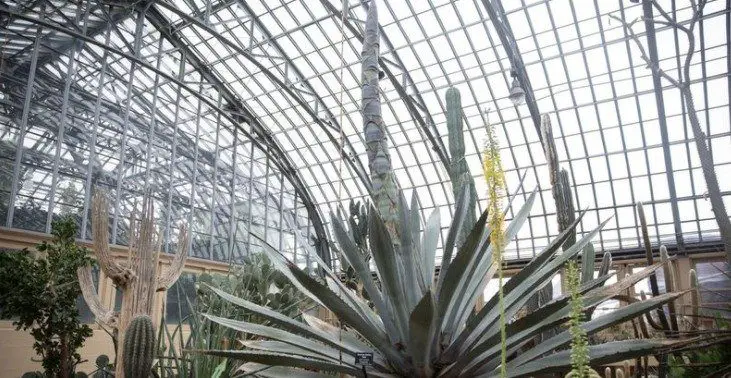
Check out the size of this agave stalk!
Conclusion
In conclusion, agave stalks are a great part of any garden. They have plenty of benefits and can be easily cultivated in many different ways! As you can see, they have many uses and are versatile plants. If you’re looking for something to improve your garden, agave stalks might just work!
Orchids are beautiful flowers that bring joy to most people who grow them. However, there can sometimes be a problem with the leaves of the orchid plant. They may start to have holes in them and will not look as nice as they once did. This post is going to discuss why this happens and how you can fix it when it does happen!
Why Are There Holes In My Orchid Leaves?
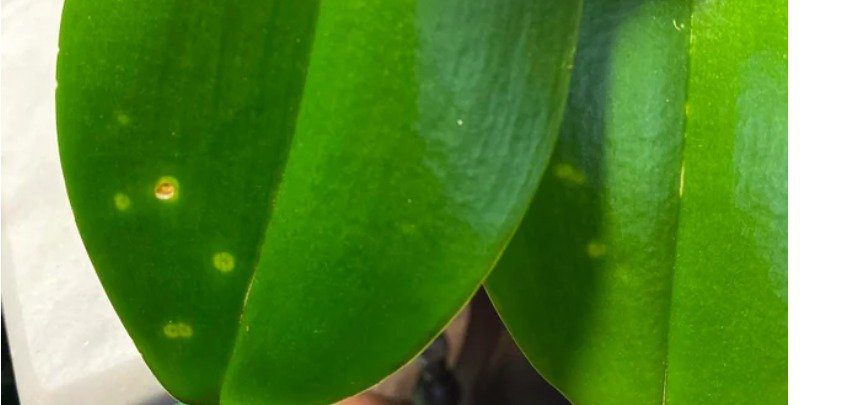
The main reason why there are holes in your orchid is that pests are feeding on your plant. These pests can include snails, worms, mites, aphids, thrips, or mealy bites.
The most insidious part of a pest problem is that they are often hard to spot. Pests will usually only reveal themselves when the holes have already formed!
It is possible that your orchid has developed a form of fungal infection in the leaves called leaf-spot, leading to brown spots on them and yellowing at their edges. These brown spots soon turn into holes.
How To Prevent Holes in Orchid Leaves?
There are many ways that you can take care of the pests and fix your problem. For example, if snails are feeding on your plant, then you can place a copper barrier around it to discourage them from coming onto the leaves anymore.
If there is a mealybug, you might want to try using insecticidal soap or fungicide, like neem oil (Amazon link). In fact, neem oil is my best recommendation when it comes to dealing with holes in plants.
In the case of a fungal infection, it’s important to act immediately. Start by removing any leaves that can’t be saved, and then apply some fungicide to the plant. Again, neem oil is the answer here. I like to spray all plants in my house because there’s a chance that the fungal infection spreads to the other plants.
How To Keep the Plant Healthy?
If you want to keep your orchid healthy, then there are a few things that you should do. You need to place the plant in an area where it will receive at least 12 hours of sunlight every day and water it regularly, but not so the soil gets waterlogged. Here are my top care tips:
Location: Place in a location that provides at least 12 hours of sunlight each day
Water: Keep the soil just moist, but not wet or waterlogged.
Temperature and humidity: The ideal temperature is between 65 and 75 degrees Fahrenheit. The humidity should be 60 to 70%.
Soil: Use a potting mix that is rich in organics.
Fertilizing: Fertilize the plant with fertilizer that is high in phosphorus once a week.
Cleaning: Clean the leaves with a clean cloth or sponge.
Lighting: The best light source is natural sunlight, but you can also use artificial lights if there isn’t enough sun.
Pests and diseases: If you see signs of a pest or disease, take action immediately.
Conclusion
In conclusion, there are many reasons why your orchid leaves might start to have holes in them. The most common reason is that the plant has a pest infestation and you should take care of it ASAP!
Many people want to grow Anthuriums in water. These plants are not only beautiful but they also have many different colors. You may be wondering if it is possible for these flowers to thrive when planted in a vase of water? The answer is yes, anthuriums can grow and thrive when planted in the water.
This article will tell you what kind of conditions you need for your plant’s roots, how much space the plant needs, and other important information about growing anthuriums with this method.
Do Anthuriums Grow In Water?
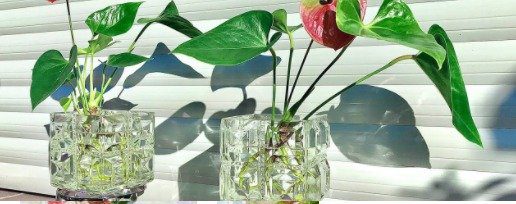
Yes, anthuriums grow well in water. Thousands of people do this when they own an anthurium. Just check out some of the cool pictures!
To make sure your anthuriums can live long and prosper, you need to provide them with fertilizer. If your plant is in water, then it’s unlikely to grow as large as one planted in a nutrient-rich potting mix, but it can still survive and bloom.
In the wild, anthuriums grow on the barks of tropical trees that are high above soil (but not in water).
When a plant’s lower half is submerged, they utilize a remarkably talent to take in oxygen from the water. They do this by creating “water roots”, and many plants have this ability.
What Are Anthuriums?
Anthuriums are beautiful flowers with a lot of different colors. They may look like roses, but they do not have any thorns (which is why people who don’t like roses still want to plant anthuriums).
Anthuriums are also known as tailflower plants, flamingo flower plants, and laceleaf flowers. These flowers are native to South American countries like Panama, Costa Rica, Colombia, and Ecuador.
They can grow up to one meter tall in the wild, but they usually only reach half of that when they’re grown indoors on a pot or vase. Anthuriums also have big leaves with unique shapes (like arrowheads).
Most species grow in low-elevation tropical rain forests. That means that most anthuriums love warm places where it rains often. Some other kinds can grow in colder areas near the equator if there’s enough humidity and rainfall throughout the year.
In fact, this flower grows really well as houseplant because it does so well under high humidity conditions, which you probably have at your home all year round!
How to Grow Anthuriums In Water?
Follow these tips if you want to grow your anthuriums in water:
-Anthurium does best if there is plenty of room around their root system – make sure that the pot has at least two inches on all sides, with a wide enough space to fit the roots.
-Anthuriums in water need more food than other plants – they are like fish and eat mostly algae. Make sure that there is plenty of light so you can grow your own algae.
-Water should be changed every other day or so because it becomes stagnant quickly – if not replaced, this will cause bacteria to form which could infect your plant or kill it outright!
Should I Plant Anthurium In Soil Or Water?
Many people will argue that it is better to plant anthurium flowers in soil instead of planting them straight into the water. There are some good points about this argument, but not everyone agrees on those reasons!
The coolest and most creative way to grow anthuriums is by leaving the plant in a bowl of water. This is unique and a real conversation starter when you have guests in your home.
If you tend to forget the watering schedule for your plants, growing them in water would be a good choice. It is less hassle-free and it takes only minutes of tending every day.
Moving the plant to a new pot is also a lot easier when you use water. It’s a simple case of removing the plant onto a towel, getting a new container full of water, and then slowly place your plant inside – voila!
Here’s the thing though… it’s important to remember that they weren’t meant for this environment. I prefer to be cautious, so grow my anthuriums in moist soil, as I don’t want a yellow anthurium. However, people around the world currently have their anthuriums in water, so be my guest!
Conclusion
In conclusion, anthuriums can grow and thrive when planted in the water. They need plenty of light, a wide enough space for the roots to grow without being cramped, and fresh food daily.
If you want your plant to live as long as possible make sure that it does not get too much sunlight but also ensure that there is some indirect sun every day during the winter months so they don’t appear dormant or suffer from a lack of nutrients. Please do check out my other articles on this beautiful plant, like why there are holes in anthurium leaves.