by Gardener Tim | Sep 13, 2021 | Outdoor And Patio Plants, Plant Care
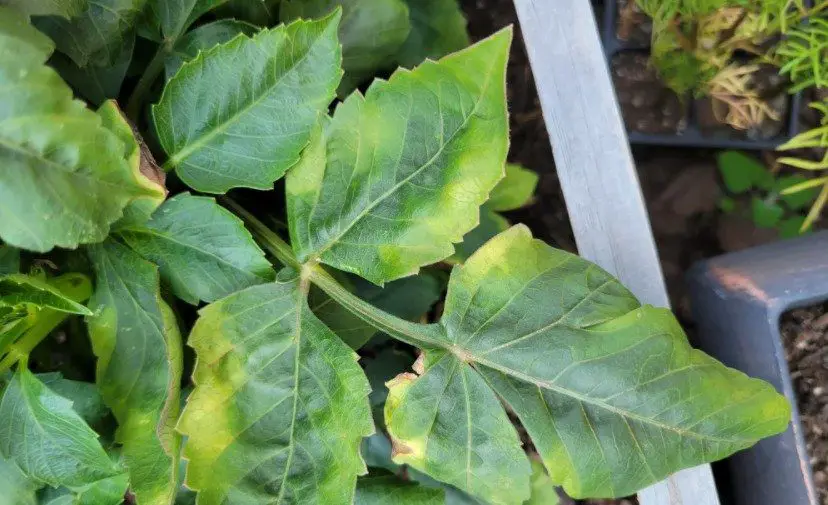
Have you ever seen a dahlia plant that is full of beautiful, deep red flowers but has yellow leaves? If so, then this blog post will answer your question.
Dahlias are one of the most popular garden plants in North America and there are many reasons why they turn yellow.
This article goes over some common causes for yellowing leaves on dahlias to help you get them back to their original color!
Why Are My Dahlia Leaves Turning Yellow?
Dahlia leaves turn yellow because of overwatering or a lack of nutrients in the soil. You see, dahlia plants need soil that contains lots of nitrogen, iron, and magnesium. The plant also needs to receive the correct amount of water, as too much will result in root rot or fungal issues.
Dahlia Leaves Turning Yellow from Overwatering
The correct amount of water is needed for a dahlia plant to thrive. If the soil is too wet or damp, it can cause root rot and increase your chances of losing your beloved garden plants!
If you notice that the leaves on your dahlia begin to turn yellow from over-watering, then you need to take action immediately by not giving any more water and creating a watering schedule.
Dahlias usually need about one inch of water per week, but make sure to check the soil by dipping your finger into the ground. If it is dry, then you can water them; if the soil is wet or damp, do not give any more water!
Using a moisture meter will allow you to get even more accurate with your dahlia watering schedule.
Dahlia Leaves Turning Yellow from Low Nutrients in the Soil
If your dahlia leaves are turning yellow, but you know that it is getting enough water and there isn’t any root rot or fungus damage, then this may be caused by low nutrients in the soil.
Your plants most likely need more nitrogen to get their beautiful color back! You can do this by adding fertilizer into your garden every two weeks during the growing season of summertime. If you have tried fertilizing them with no luck at all, then try mixing some composted manure into the soil as well for best results!
I use MiracleGro, which is a leading brand of both outdoor and indoor plant fertilizers. It nourishes plants with everything they need to grow strong and healthy, including macro-nutrients like phosphorus, potassium, nitrogen, and chelated micro-nutrients that nourish the roots.
FAQ
Should I cut yellow leaves off dahlia plant?
Yes, you should cut off yellow dahlia leaves. Otherwise, the leaf will turn brown and fall off on its own!
Will slugs cause yellow dahlia leaves?
No, slugs will not cause yellow dahlia leaves. They tend to just chew holes in the leaves!
Is too much sun why my dahlia’s leaves are turning yellow?
Yes, if your dahlia is getting too much sunlight or direct light each day without any shade at all, it will cause the leaves on top to scorch. Nearly all plants are at risk of getting sunburn.
Are yellow dahlia leaves poisonous?
No, they are not poisonous to humans or pets. They do contain a sap that can irritate skin though, so you may want to take precautions when handling them.
Does a lack of nitrogen cause yellow dahlia leaves?
Yes, a lack of nitrogen in the soil can cause yellow dahlia leaves. The plant needs lots of nitrogen to thrive, but if it doesn’t receive the correct amount then its leaves will turn yellow!
Will too much water cause my dahlia’s leaves to turn yellow?
Yes! Dahlias are very sensitive when it comes to receiving enough or too much water. You should always check the soil before watering your dahlia to make sure it is not too wet or damp. If this is the case, then do not water them!
Are my dahlia leaves turning yellow from being frozen?
Possibly! If you live in a colder climate and have had several harsh touches of frost, then the leaves on your dahlia may have been frozen. When this happens, it can cause the leaves to change color!
Where can I buy dahlia plants?
You can find them anywhere from your local garden center or home improvement store! You can also order them online at places like Home Depot and Lowes.
Will yellow dahlia leaves turn green again?
No, it is unlikely that yellow dahlia leaves will turn green again. However, taking action will stop the other leaves from turning yellow.
Conclusion
In conclusion, dahlias are beautiful flowers that many gardeners want to grow. If your dahlia leaves turn yellow, it could be due to overwatering or a lack of nutrients in the soil.
You can fix the issue by adding more nutrients, like organic compost or fertilizer. Also, make sure you are watering the plant correctly by using a deep but infrequent irrigation method (such as drip).
If these solutions don’t work after some time, then your dahlia leaves turning yellow may be caused by root rot or fungal issues. If this is the case, it’s best to contact an expert for help on how to get rid of them!
Thank you for reading my blog post on why are my dahlia leaves are turning yellow. You should not that dahlia leaves sometimes curl, so check out my blog post if you are experiencing this.? I hope that with this information your beautiful flowers will return back to their original color soon!
by Gardener Tim | Sep 13, 2021 | House Plants, Outdoor And Patio Plants
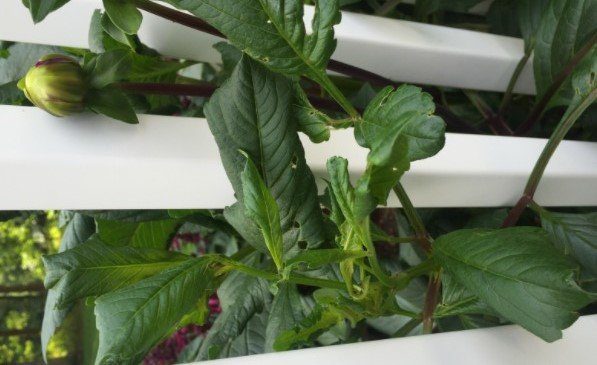
Most people who grow dahlias know that they are prone to curling leaves, but not everyone knows why this happens. In the following article, we will discuss a few reasons for this problem and what you can do about it.
Why Are My Dahlia Leaves Curling?
Your dahlia leaves are curling due to overwatering, underwatering, or temperature stress.
It all comes down to the plant being stressed and not receiving the exact care it needs. Basically, your dahlia is communicating that it is unhappy with its current living conditions.
I will now go into the specifics of each cause and what you can do to prevent it from happening…
Overwatering
Overwatering is one of the most common causes of dahlia leaf curl. When roots are submerged in water, they cannot get enough oxygen and will begin to rot, which often leads to root death and can affect your plant’s leaves as well.
This problem can easily be prevented by checking on plants regularly (especially when new), using pots with drainage holes at the bottom, or adding rocks or gravel into pots to promote air circulation around their base.
To save an overwatered dahlia plant, you should stop watering it, allow the soil around its roots to dry out completely (for at least a week), and make sure that you do not overwater again in the future.
Underwatering
On the opposite side of things, underwatering can also cause your dahlia’s leaves to curl inwards. It does this to protect the plant from drying out. If this has happened, try watering your plants a little more frequently or adding something such as mulch to keep soil moist at all times.
You’ll know to water your dahlia if the top few inches of soil are dry to the touch. You can also use a moisture meter, which is a great way to tell if your plant needs water or not.
Temperature Stress
Regardless of whether you have been experiencing hot or cold weather in your area lately, temperature stress may be affecting your plants’ health as well.
While curling leaves due to high temperatures isn’t quite as common as some other causes mentioned here today, this problem does occur more often during the summer months when our outdoor air consistently hovers around 90 degrees Fahrenheit or higher.
You can prevent this by keeping your plants in a cooler area of the house or moving them outside into indirect sunlight.
FAQ
What if my plant has curled leaves but no apparent problem?
If you dahlia plant has curled leaf tips without any other underlying issue, it is most likely due to genetic mutation. If this happens to your plants, there’s nothing more that can be done at home and the best course of action would be to remove these leaves from the rest of the plant (to prevent diseases or pests from affecting healthy parts).
What about black spots on dahlia leaf tips?
Dahlia leaf spots are typically caused by fungal or bacterial infections. If you see these types of marks on your leaves, try removing the affected plant parts using household scissors, and be sure to wash any gardening tools that came in contact with infected areas right away (to prevent spreading this problem).
Will stress cause dahlia leaves to curl?
Yes, stress is another common cause of dahlia leaf curl. This can be caused by a number of things, such as temperature stress (extreme heat or cold), overwatering, underwatering, and more.
What if my dahlia’s leaves are curling downwards?
If you have an “upside down” type situation going on with your plants’ leaves in that they’re growing downward instead of upwards towards the sun, this typically means that there’s something wrong with their roots. In many cases where this occurs, it is due to root rot from being exposed to too much water.
Can dahlias get too much sun?
Yes – like most plants, dahlias need access to sunlight every day (in order for them to perform photosynthesis and produce energy) but excessive exposure can lead to damage, such as brown spots on leaves or curling around edges of the leaf.
Conclusion
In conclusion, leaf curl is a problem that most dahlia growers will encounter at some point or another. If you start to notice this symptom on your plant, then the first thing you should do is check for any of these common problems and treat them accordingly.
I hope you have enjoyed reading my blog post today. Be sure to search around my site for more ways you can keep your plants healthy and happy 🙂
by Gardener Tim | Sep 13, 2021 | Plant Care
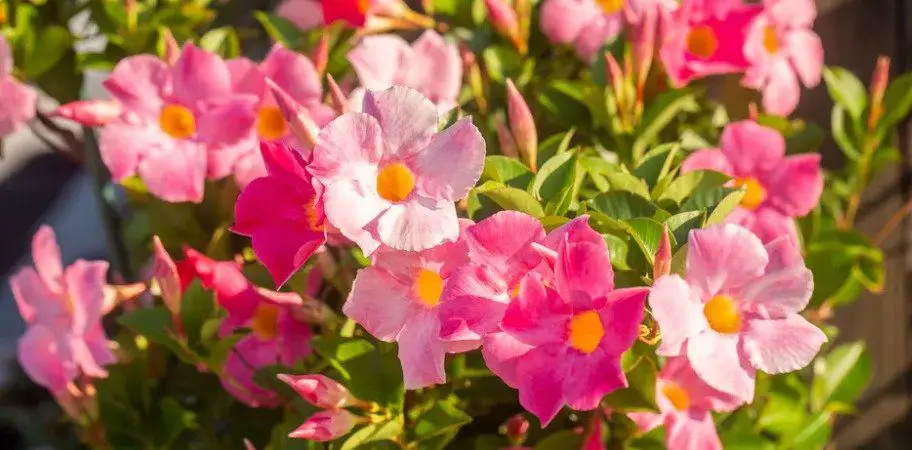
Most people know that mandevilla plants are popular for their beautiful and fragrant flowers. But when the plant starts to die, it can be a very frustrating experience! In this blog post, we will explore why your mandevilla plant may be dying and provide you with some tips to save it.
Why Is My Mandevilla Plant Dying?
Your mandevilla plant is dying because you’re not providing the care that it is accustomed to. The plant is from tropical climates, which means it needs plenty of sunlight and shouldn’t be overwatered.
1) Lack of sunlight
Failure to provide enough sunlight will cause your mandevilla plant to die. The plant needs at least six hours of direct sunlight each day. If you cannot provide this, then the plant should be kept in a location that receives bright light throughout the day and filtered light during part of it or indirect sunlight through a window.
You could also invest in an LED grow light, which is great for providing full-spectrum light when the sun isn’t shining or it is winter in your part of the world.
2) Too much water
Another reason for your mandevilla plant dying is overwatering. If you water the plant every day when it’s only dry in the middle, then there can be too much moisture around its roots and this will cause root rot.
The soil should be dried out before watering again to prevent this from happening! Mandevillas do not like wet feet either, so make sure you never leave standing water in their pot or saucer after each watering session.
FAQ
How do I bring my mandevilla back to life?
In depends on what caused your mandevilla to die in the first place! You will need to do the opposite of what caused the issue. For example, if your mandevilla is dying from overwatering, then you should stop watering it for a couple of weeks and repot in fresh soil.
If the plant hasn’t received enough sunlight, then move it into a sunnier location during sunny days or invest in an LED grow light that will provide your plants with plenty of beautiful flowers.
What does an overwatered mandevilla look like?
Overwatered mandevillas will have droopy, yellow leaves that are floppy to the touch. The plant should perk back up if you stop watering it for a couple of weeks and allow its soil to dry out before giving it water again.
What does an underwatered mandevilla look like?
Underwatered mandevillas will have yellowish-green leaves that are crispy and stiff to the touch. The plant should perk back up if you start watering it more frequently, but make sure the soil is only moist in the middle before giving it water again!
What does a dehydrated mandevilla look like?
Dehydrated mandevillas will have brown leaf edges or wrinkly leaves that feel papery when touched. If this issue occurs, then increase watering frequency slightly until it’s looking healthy again!
Should I repot my dying mandevilla?
You should repot a dying mandevilla if it has root rot. The rotting roots will need to be removed and the pot should be cleaned… When repotting, use fresh soil that is loamy with high organic matter content.
Additionally, make sure you never overwater your mandevilla once it has been replanted! Mandevillas don’t like wet feet and too much moisture around their roots can cause root rot again quickly if they are left in standing water after a watering session.
Should I fertilize my dying mandevilla?
If you are repotting your mandevilla, it may be a good idea to fertilize the plant after replanting. Fertilizing can help speed up growth and get your dying mandevilla back on track!
Mandevillas need fertilizer that is high in nitrogen during their spring growing season when they are actively growing new shoots. During summer months, the plants should only have about once-a-month feedings with half-strength liquid fertilizer to encourage flowers but prevent excessive leafy growth.
What’s wrong with my mandevilla?
Your mandevilla has root rot if its stems look brown or black at the soil level and there is no green tissue insight. They will also smell rotten when composted.
Root rot occurs when there is too much moisture around the roots and this prevents them from getting the oxygen they need to function properly. This can be caused by overwatering or standing water in a saucer after watering!
What do I do about pests on my mandevilla?
If you see holes in your mandevilla’s leaves, this is likely spider mite damage. Spider mites are tiny little insects that suck the sap out of plant tissue and can be hard to get rid of!
You can get rid of them by using neem oil (Amazon link) on all plants in the area. This will repel the spider mites and get rid of them for good!
What do I do about powdery mildew on my mandevilla?
Powdery mildew is a white substance that covers the leaves, stems, flowers, or fruit of your plant. It can look unsightly but won’t cause any real damage to your mandevilla. You should remove it by gently wiping off all affected areas with water and soap before applying neem oil when you repot your mandevilla in fresh soil!
Why is my mandevilla dropping flowers?
If your mandevilla is dropping its flowers, it could be due to overfertilization. If you are giving the plant too much fertilize or if there’s a high salt content in the soil, then this can have an effect on flowering! You should reduce fertilizer applications until flower production begins again and flush out excess salts by watering more frequently with plenty of water so that all of the soil gets drained from the pot each time.
What do I need to know about transplanting my dying mandevilla?
When repotting your mandevilla, make sure you use fresh organic-rich loamy soil that drains well. There shouldn’t be standing water at any point after watering. You should also avoid any type of fertilizers or salts until new growth begins again.
Conclusion
In conclusion, your mandevilla plant is dying because you’re not providing the care that it is accustomed to. The plant needs plenty of sunlight and shouldn’t be overwatered. Make sure you dry out the soil before watering again and never leave standing water in its pot or saucer after each watering session.
If these tips don’t help, then please contact us for further assistance at any time! We would love to hear from you 🙂
by Gardener Tim | Sep 13, 2021 | Plant Care
The morning glory is a beautiful flower that can grow up to 3 feet tall. It has been used for centuries in gardens and other settings because of its long, trailing vines and gorgeous flowers.
In the right conditions, the plant will bloom from June through August each year. However, some people notice their morning glory isn’t blooming during the summer…
Why Is My Morning Glory Not Blooming?
Your morning glory is not blooming because the soil is fertile and high in nitrogen. Unlike other plants, morning glory plants only bloom when the soil is low in nutrients, like nitrogen.
This may sound strange to gardeners who have always had great success with the plant. However, morning glory plants are often found growing between cracks in sidewalk pavers and other places where they receive very little nutrients.
How To Encourage Morning Glory to Bloom?
You can encourage your morning glory to bloom by providing it with less nitrogen-rich soil. This means you will need to keep it away from your other plants that need nutritious soil.
If you’re using a fertilizer that is high in nitrogen, you should stop immediately! Many people try to make their morning glory plants bloom by giving more and more fertilizer, but this is the opposite of what you should do.
You can use a low-nitrogen fertilizer. In fact, there are even fertilizers that are specially made for morning glory plants and other plants that appreciate soil with low nitrogen.
You should also make sure you are giving the plant a consistent amount of sun throughout the whole day, not just in the morning or evening. This means you may have to reposition your morning glory to another area of the garden that receives more sunlight.
In regards to water, morning glory plants like their soil to be slightly moist – not waterlogged or bone-dry. You can test the moisture level by sticking your finger about two inches into the dirt.
If you want your morning glory to grow and bloom upwards, then you will need to provide support. The vines will crawl up other nearby structures, such as trellises and fences, but this can take time.
If you do all of these things, your morning glory plant should start to bloom within a couple of weeks! The key is consistency and avoiding too much nitrogen in its soil – otherwise, it will never produce flowers.
FAQ
What month do morning glory flowers bloom?
Morning glory flowers bloom from early summer to the fall. This typically means you can expect flowers from June to August.
Will my morning glory bloom next year?
If the conditions are right, your morning glory should bloom again next year.
Do morning glory plants need support to grow and bloom?
Yes, morning glory plants need support to grow and bloom.
What does a blooming morning glory look like?
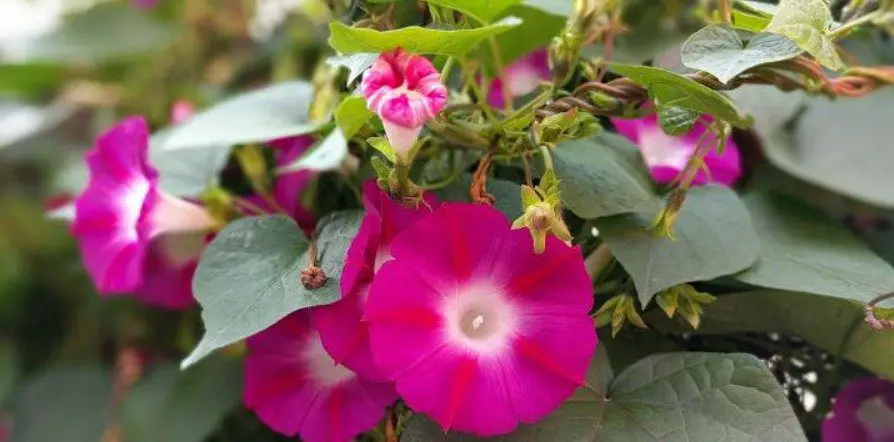
Blooming morning glory is a beautiful purple/pink flower that catches the attention.
Where can I buy morning glory seeds?
You can morning glory seeds in your local garden center or from Amazon.
Where can I plant my morning glory plant to make it flower?
You should be able to plant your morning glory plant just about anywhere that receives six hours of sunlight per day and has moist soil with some organic matter mixed into it. It’s important not to plant it too close to other plants that need more nitrogen than the morning glory.
Why doesn’t my morning glory flower anymore?
Your morning glories may stop flowering if they don’t receive enough sunlight throughout the day, have too much water, or are planted near other plants that need lots of nitrogen-rich soil to grow well.
What is a morning glory plant?
The morning glory has large, pink, or white flowers that can grow up to three feet tall and have yellow centers. The leaves are long and heart-shaped with scalloped edges. The vines of the flower can easily cover an area if not trimmed back properly.
Can morning glory bloom in shade?
No, morning glory won’t bloom in the shade as they love the sun. You should place them in a spot where they can receive at least six hours of sunlight each day.
How often should I water my morning glory plants when they bloom?
Morning glories need slightly moist soil to thrive. If your morning glory is wilting or you notice that the leaves are drooping, then it might be overwatered. You should water once a day in early summer and about once a week come fall/winter when they aren’t blooming anymore.
Conclusion
In conclusion, morning glories need a lot of sunlight, so they do best when grown outside in well-draining soil that gets at least six hours each day.
The most important factor that influences a morning glory bloom is the type of soil that they are planted in. As mentioned above, morning glory plants don’t like soil that is rich in nitrogen and other nutrients.
I hope this blog post has been helpful to you, and if it has, please share with someone else who is experiencing problems with the morning glory not flowering during summer. Thank you for reading.
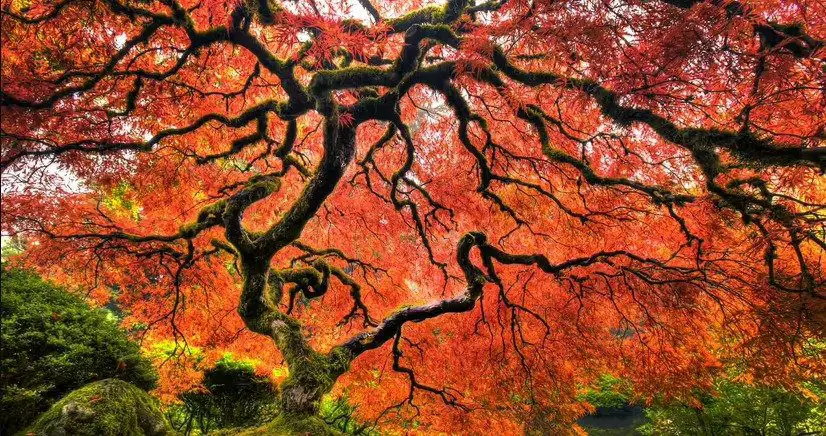
by Gardener Tim | Sep 13, 2021 | Plant Care
If you have a Japanese maple tree that is showing signs of dying, then this blog post will help. We are going to talk about some of the most common causes for tree death in these trees and how to prevent them. Let’s get started!
Why Is My Japanese Maple Tree Dying?
Your Japanese maple tree is dying because it is not receiving the care it needs. This usually involves being planted too deeply, receiving too much water, and suffering from a fungal infection.
Japanese maple trees can be finicky when growing in certain conditions, so that is one reason why you might have a dying tree. If your tree was planted too deep or the roots were damaged during planting, this could cause problems for the tree later on, which will make them die out after several years.
You should always ensure that you plant these trees at an appropriate depth and make sure they do get hurt during the process. This will give your tree the best chance of a long life!
I will now take an in-depth look at the different potential causes for Japanese maple tree death…
Fungal infection
This is quite common in maple trees, so take a closer look to see if your tree has some black spots on its leaves. This could be a sign that you need to treat for fungal infection and this will save your Japanese maple tree from dying!
If you see these types of symptoms start appearing, then do not hesitate by purchasing an anti-fungal solution to stop any more damage. The sooner you get started with treating fungus, the better chance that your Japanese maple tree will survive!
Too much water
It is also important that when planting new trees into your landscape, they should receive enough water, but NEVER too much water.
When the soil around these trees becomes soggy and waterlogged, it can cause root rot to develop in your Japanese maple tree.
This root rot is bad news for maple trees, especially when it happens at a young age, so make sure these trees are well-drained and do not stand in too much water.
Too little light
If your Japanese maple tree has been placed into an area that does not get any sunlight, then it might start dying out and dying.
You see, the tree needs sunlight to produce food and sugars through photosynthesis so it can grow properly. If there is not enough sunlight, then the tree will quickly weaken over time because of this issue.
If you see your Japanese maple tree starting to die out after being planted in an area that does not receive any light, then move them into a sunny location ASAP! This should help save these trees from dying!
If the light is the problem, you should move your tree into a sunnier area and see if that helps. You can also purchase artificial lighting to help give it more light than before, which should work just fine!
The tree has been planted too deep
Planting your Japanese maple tree too deeply will mean that water and other nutrients can’t be absorbed by your tree. As such, make sure only one inch of soil is on the stem of the tree. This is a mistake many new tree owners make, so be mindful when planting your new Japanese maple.
FAQ:
Will too much water cause my Japanese maple tree to die?
Yes, if you give your tree too much water, then it can cause root rot and this will kill the roots of your maple tree. This is a common problem that many people have when planting new trees in their landscape!
How do I treat fungal infections on my Japanese maple tree?
To treat fungal infection, you need to purchase some sort of fungicide spray or dust that goes onto the leaves as well as into the soil around where your trees are planted at. This treatment needs to be done throughout all stages of growth with these types of trees during any season they have new growth coming out!
How do I get my Japanese maple tree to be more drought tolerant?
To make them more drought-tolerant, you need to water it less often and only when the topsoil feels dry. This will help your tree become accustomed to not receiving too much water all at once which will prevent root rot from developing!
Can a dying maple tree be saved?
If you notice that your tree is dying, then it might be time to invest in a new one! If the problem has not set in too far yet and there are still leaves on the branches growing out, then maybe all it needs is some fertilizer or fungicide sprayed onto its roots which should help save it from certain death.
Is my Japanese maple tree planted too deep?
The root ball of a Japanese maple tree should be a few inches above the grade. The stem of the tree should also only be an inch or so deep. I like to create a mound of soil around the root ball, which allows water to flow away from the tree.
Why are Japanese maple tree leaves turning brown?
Brown and crispy leaves go hand in hand with a plant that hasn’t received enough water. If the leaves are brown, but wet, then you have a maple tree with root rot. Follow the tips above to fix these issues.
Conclusion
In conclusion, you have learned about some of the most common causes for Japanese maples trees to die out. If you take care of your tree properly, then it should last a lifetime!
I hope that this blog post has helped you learn more about how to properly care for your Japanese Maple Tree. Please do not hesitate to ask any questions you might have.